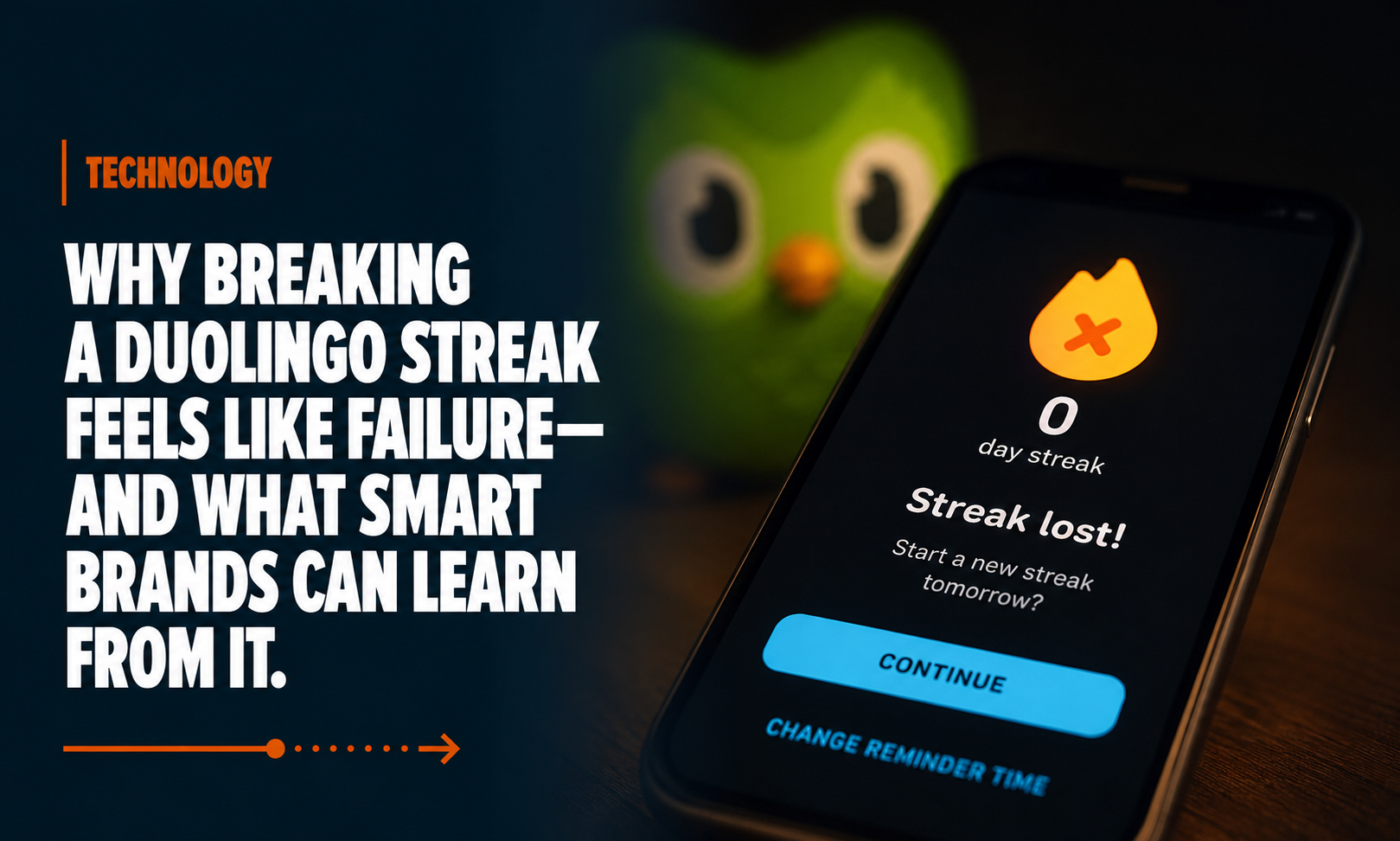
Why Breaking a Duolingo Streak Feels Like Failure โ€” and What Smart Brands Can Learn from It

Why breaking a duolingo streal feels like failure - and what smart brands can learn from it

Duolingo streak psychology is one of the strongest examples of behavioral marketing in action.

Have you ever found yourself opening Duolingo just before midnight, simply to protect your streak?

Not because you had time.

Not because you felt like it.

But because you didnโ€™t want to lose what you had built.

That moment reveals one of the most powerful truths in modern marketing:

The strongest brands donโ€™t just sell products. They create habits.

And habits are the foundation of long-term engagement.

Duolingo has become one of the most effective examples of behavioral brand design. Not because of its product alone, but because it understands how psychology, technology and community work together to keep people engaged daily.

For B2C and B2B brands alike, there is a lot to learn here.

The psychology behind the streak: Why Duolingo streak psychology works

A streak is deceptively simple.

Complete one action every day.

Miss one, and it resets.

What makes this so powerful?

Because it combines:

  • Progress visibility
  • Commitment bias
  • Loss aversion
  • Identity reinforcement
  • Social accountability

Over time, the streak becomes more valuable than the action itself.

People are no longer โ€œusing the app.โ€

They are protecting their identity.

“I am someone who learns every day.”

Thatโ€™s where emotional brand attachment begins.
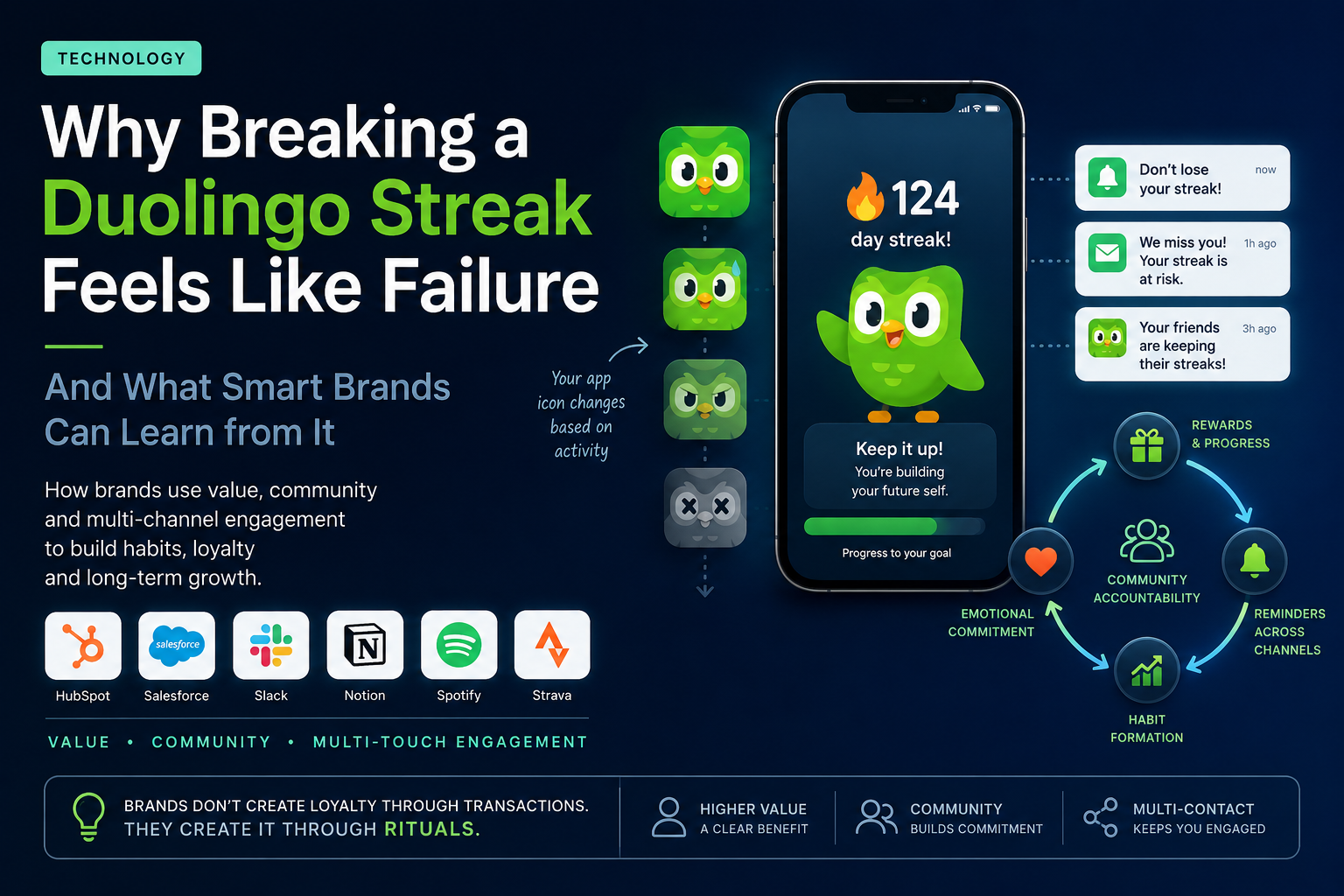
Duolingo streak psychology

Lesson 1: The value must be bigger than the product

Duolingo streak psychology works because the reward is bigger than the action itself.

This is the most important lesson.

Duolingo doesnโ€™t sell lessons.

It sells transformation.

The future reward is clear:

“Learn consistently and one day you will master a new language.”

The streak is simply proof that the user is moving closer to that goal.

Smart brands do the same.

B2C examples

Strava
Value = better health, better performance, social recognition.

Headspace
Value = less stress, better focus, emotional balance.

Spotify
Value = discovery, identity, belonging.

B2B examples

HubSpot
Value = business growth, better conversion.

Salesforce
Value = pipeline visibility, customer retention.

Slack
Value = faster collaboration, team efficiency.

If the end value isnโ€™t meaningful enough, people will not return.

No reminder can fix weak value.

Lesson 2: Community amplifies commitment

A major part of Duolingo streak psychology is the use of community-driven accountability.

Leaderboards.

Leagues.

Friend streaks.

Social competition.

It creates subtle pressure.

And pressure creates consistency.

This principle is powerful far beyond consumer apps.

Where B2C brands can apply this

Retail loyalty clubs
Fitness brands
Travel memberships
Food subscriptions
Gaming ecosystems

Imagine:

A coffee brand rewarding consecutive weekly purchases.

A travel app rewarding consistent trip planning.

A health brand rewarding healthy daily choices.

Where B2B brands can apply this

Sales organizations
Project management tools
Learning platforms
Partner ecosystems

Examples:

A CRM showing daily deal movement streaks.

A learning platform rewarding consecutive training completions.

A project tool rewarding weekly team collaboration milestones.

The principle is always the same:

People stay committed when progress becomes visible to others.

Lesson 3: Multi-touchpoint orchestration keeps habits alive

This is where the real sophistication begins.

Duolingo uses an entire ecosystem:

  • Push notifications
  • Email reminders
  • In-app celebrations
  • Character evolution
  • Fear-of-loss messaging
  • Re-engagement campaigns

Each touchpoint plays a different role.

Together, they create a behavioral loop.

Many brands still treat channels separately.

Thatโ€™s outdated.

Customers experience brands as one connected system.

The most effective engagement strategies connect:

Email + App + Social + CRM + UX + Community.

That is where modern retention happens.

What brands should ask themselves

To build stronger engagement, ask:

A) What higher value do we offer?

Not product features.

Transformation.

What future state is the customer buying into?

B) How can we make progress visible?

Can users track growth?

Can they compare?

Can they celebrate?

C) How can we create connected touchpoints?

Not random notifications.

Intentional, behavior-driven interactions.

Final thought: Loyalty is built through rituals

Brand engagement is no longer just about awareness.

Itโ€™s about presence.

Relevance.

Consistency.

Ritual.

Duolingo streak psychology shows that the strongest brands build habits, rituals and emotional loyalty over time.

Duolingo teaches us that when brands combine value, community, and intelligent multi-touchpoint design, engagement becomes part of daily life.

And thatโ€™s where true loyalty begins.

Because the strongest brands are not the ones customers remember. They are the ones customers return to โ€” every single day.

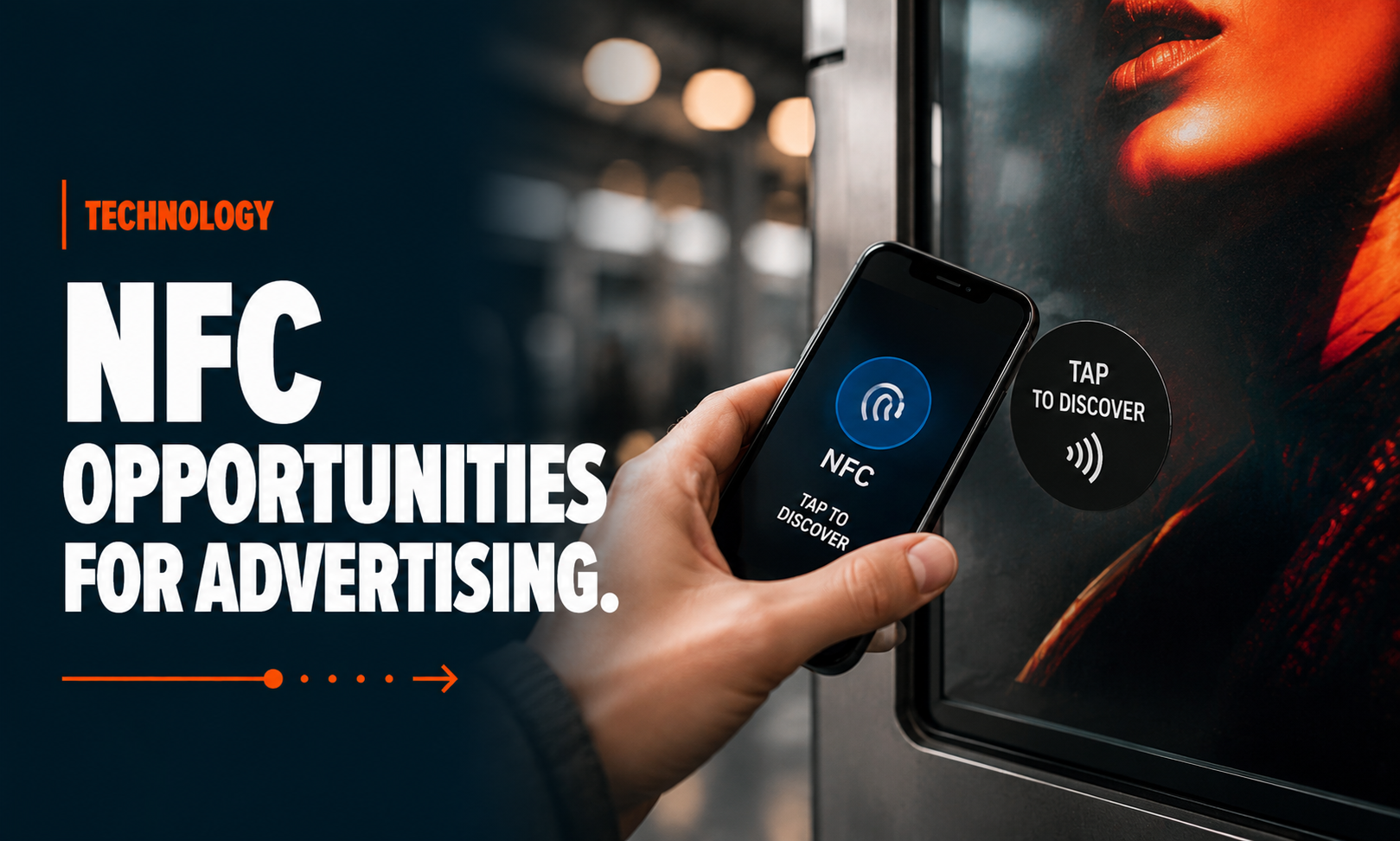
NFC Opportunities for Advertising

NFC Opportunities for Advertising

NFC in 2026: The Invisible Bridge Between Physical and Digital Advertising

First things first:
Do you really know what NFC is โ€” and more importantly, why it matters even more in 2026?

What is NFC?

NFC (Near Field Communication) is a short-range wireless technology that allows two devices to exchange data when placed very close together (usually within 4 cm).

Unlike Bluetooth, NFC isnโ€™t built for long sessions. Itโ€™s built for:

  • instant interaction
  • zero-friction activation
  • contextual engagement
  • micro-transactions

Thatโ€™s what makes it so powerful.


NFC vs Bluetooth โ€” The Real Difference

NFCBluetooth
Tap-basedDistance-based
~4 cm range5โ€“100 meters
Instant pairingRequires discovery/pairing
Ultra low powerHigher energy usage
Ideal for trigger actionsIdeal for continuous data transfer
Often passiveAlways active

Simple:

Bluetooth = conversation
NFC = trigger

That distinction is huge.


Why NFC matters more in 2026

Consumer behavior changed.

People now expect:

  • one tap access
  • no QR camera opening
  • no app download
  • no URL typing
  • instant personalized content

NFC removes friction better than QR in many environments.

The hidden advantage:

intent quality

A tap is deliberate.

This makes NFC interactions often more valuable than passive impressions.


The big shift: NFC + AI + Personalization

This is where 2026 gets interesting.

NFC tags are no longer static.

With AI backends, a single tag can now trigger:

  • dynamic content
  • personalized offers
  • localized campaigns
  • weather-based creatives
  • CRM-triggered journeys
  • language-specific experiences

Same physical tag. Infinite digital outcomes.

That changes everything.


Advertising opportunities in 2026

1. Smart OOH (the obvious evolution)

Billboards become interactive media layers.

Tap to:

  • save an offer
  • join a waitlist
  • unlock exclusive content
  • book instantly
  • connect to AR

Especially strong for:

luxury, travel, automotive, events.


2. Retail windows after closing hours

Dead storefronts become conversion channels.

Tap the window:

  • browse products
  • reserve items
  • check inventory
  • chat with AI sales assistant

24/7 commerce.


3. Hospitality (huge potential)

Your hotel elevator example is perfect.

Expand it:

Hotel room

Tap bedside NFC:

  • room service
  • spa booking
  • late checkout
  • pillow menu
  • smart concierge

Restaurant table

Tap menu stand:

  • chef stories
  • allergen info
  • wine pairing
  • instant payment

Lobby art

Tap artwork:

  • artist background
  • NFT drops
  • event invitations

Hospitality loves frictionless moments.


4. Product packaging

This is exploding.

Imagine:

wine bottle ? tap ? vineyard story
perfume box ? tap ? brand film
food product ? tap ? recipe
luxury watch ? tap ? authenticity certificate

Packaging becomes media.


5. Events & trade fairs

Massive.

Badges already use NFC โ€” but marketing underuses it.

Ideas:

  • tap booths for instant lead capture
  • personalized decks
  • live agenda updates
  • gamification
  • AI networking recommendations

ITB, IAA, CES, DMEXCO = perfect.


6. Print is alive again

Magazines.

Business cards.

Brochures.

Direct mail.

One tap turns dead print into measurable digital interaction.

Thatโ€™s huge for attribution.


7. Automotive

Think beyond the car.

NFC in dealership posters:

Tap to:

  • configure vehicle
  • book test drive
  • compare financing
  • unlock immersive AR model

High intent. Low friction.

Perfect.


8. Tourism & destination marketing

Brilliant for your content universe.

At destinations:

Tap:

  • historical stories
  • local recommendations
  • hidden spots
  • gastronomy guides
  • live weather
  • emergency info

Physical exploration meets digital depth.


The underrated power: analytics

NFC creates physical-to-digital attribution:

You can measure:

  • where
  • when
  • how often
  • conversion rate
  • dwell-to-tap ratio

Thatโ€™s gold for marketers.


Security in 2026

Still relevant.

But major improvements:

  • tokenization
  • rolling encryption
  • secure elements
  • dynamic URLs
  • zero-trust authentication

The old โ€œeasy to sniffโ€ problem still exists โ€” but mainly in poorly configured environments.

For marketing use cases:
risk is relatively low.

Payments are far more secure now.

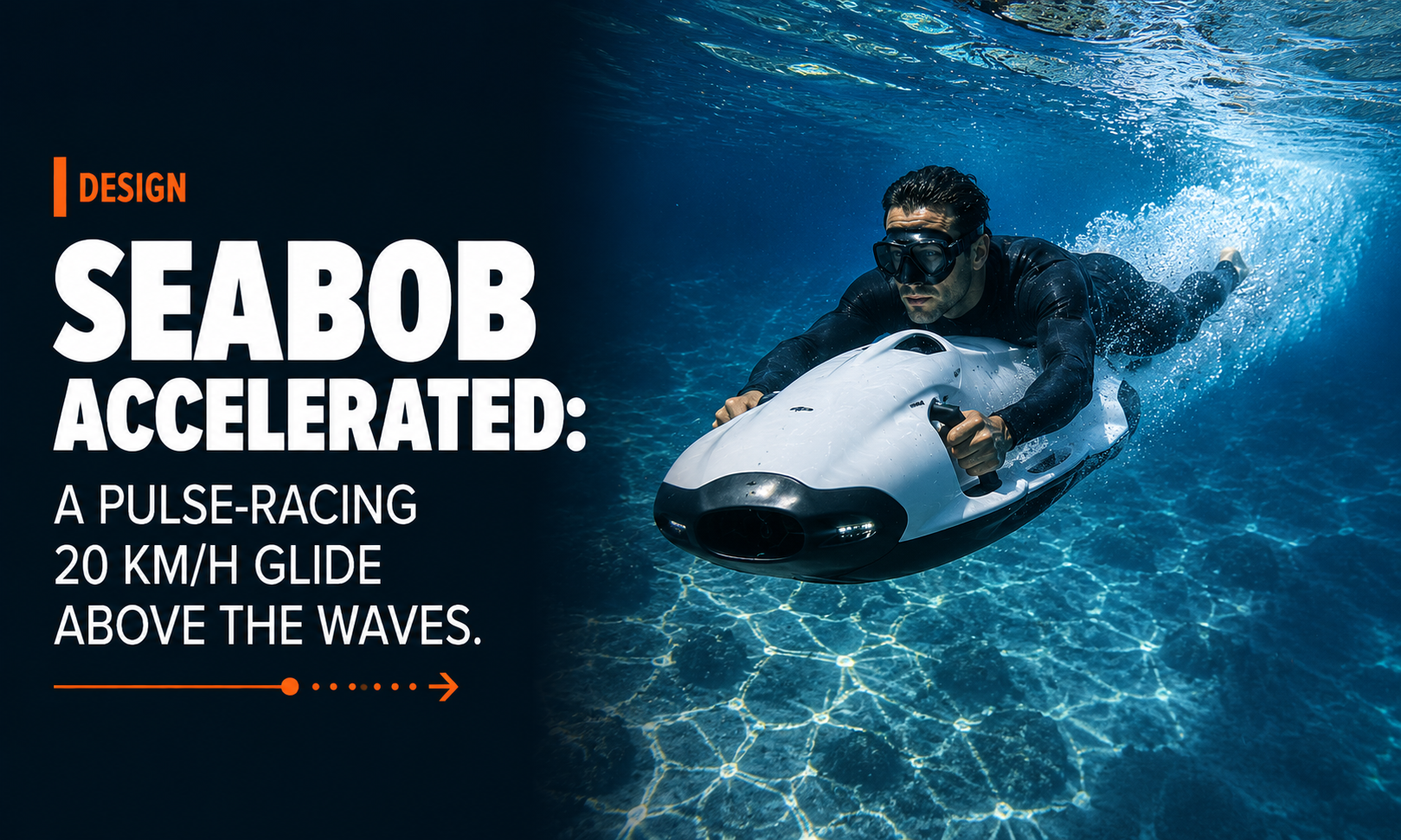
SEABOB Accelerated: A Pulse-Racing 20 km/h Glide Above the Waves.

Seabob accelerated

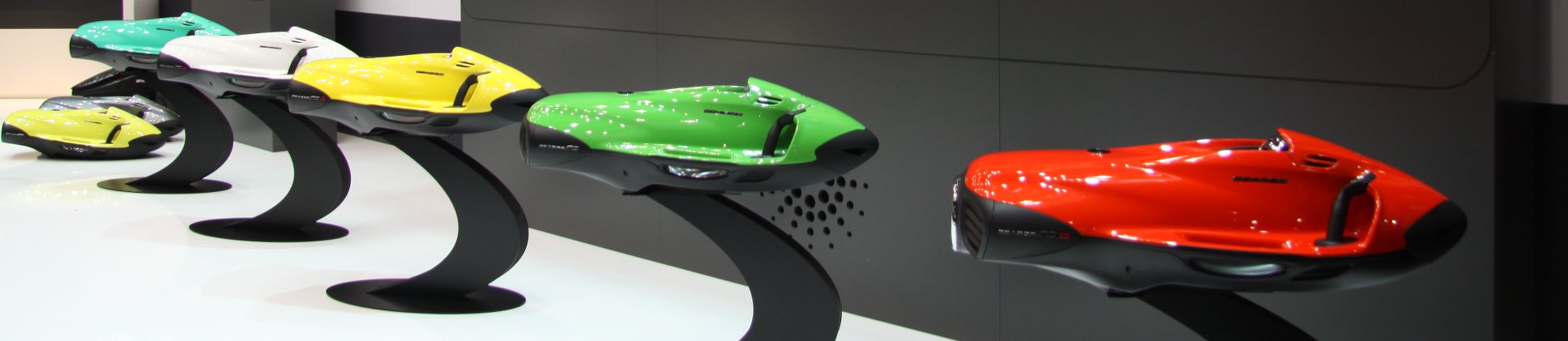
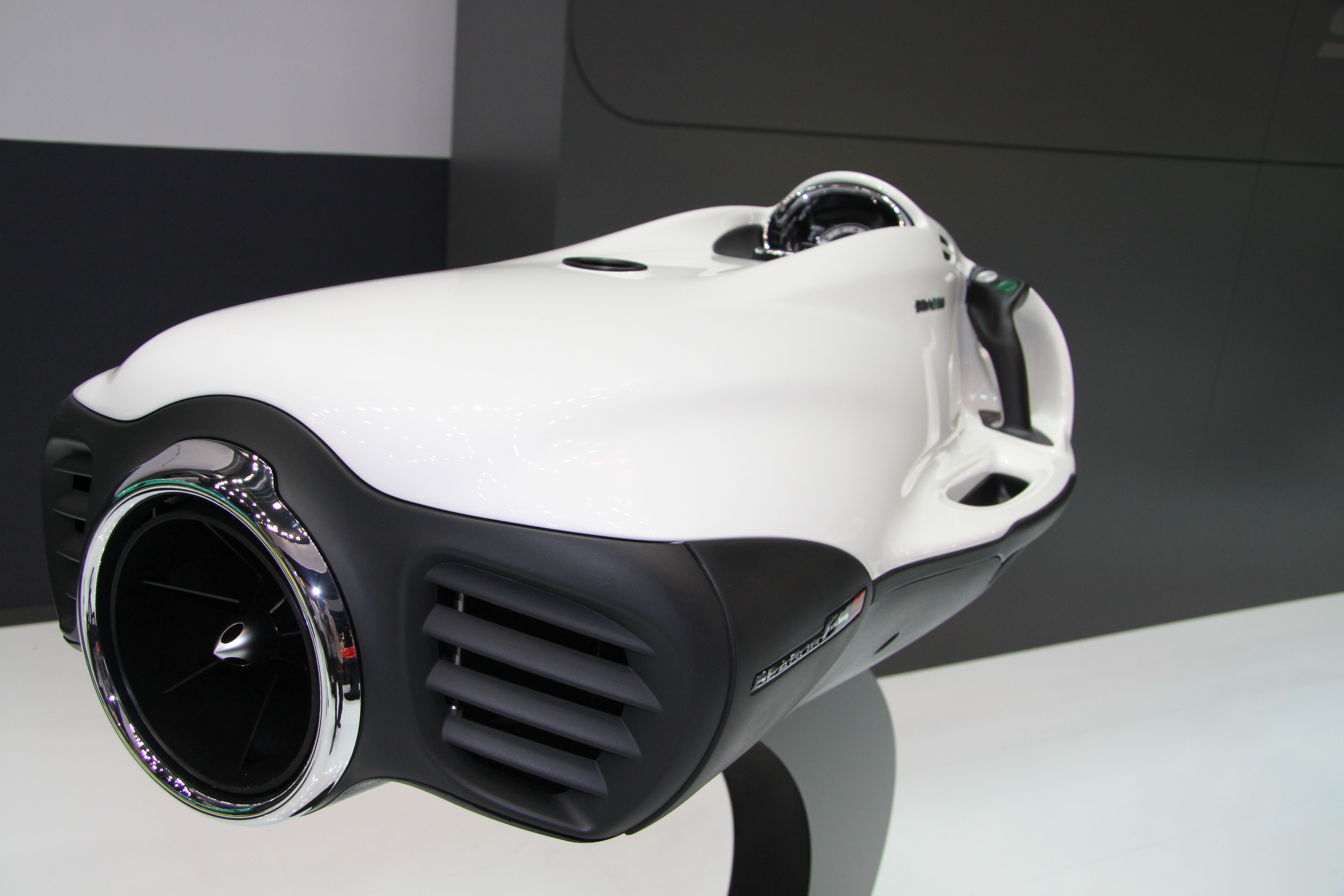
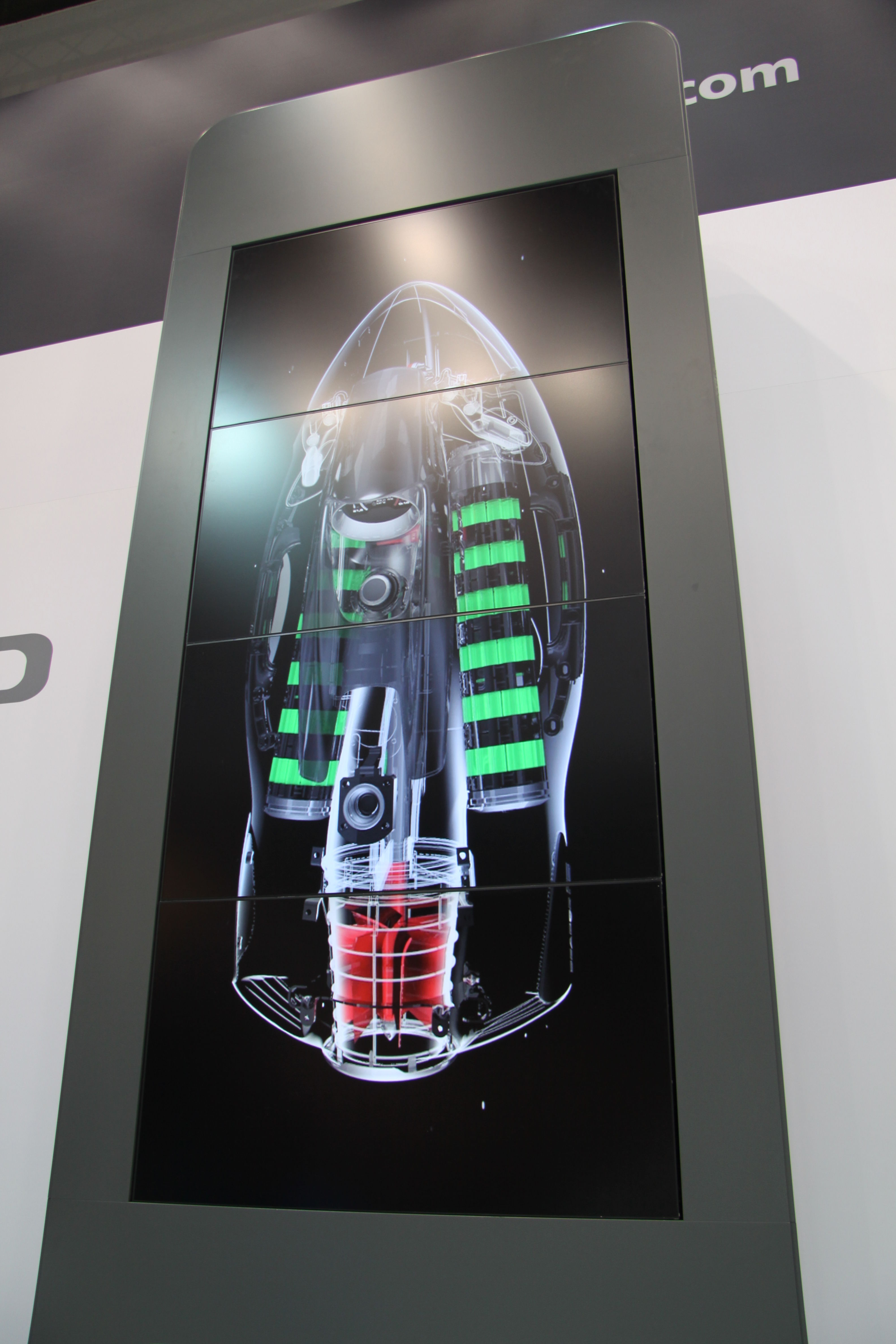
At this yearยดs BOOT in Dรผsseldorf the booth from SEABOB was outstanding. Great booth Design matching the amazing product Design of this high tech toy. Thumbs up!

The SEABOB F5S goes up to 20km/h over water and 15km/h under water. One battery charge lasts for 60 minutes of true water fun.

Find out more on: https://seabob.com/

Seabob: under and over water
Seabob color line-up