Fritto Misto: The Story Behind Italy’s Crispy Coastal Classic

There are few dishes in Italian cuisine that capture the spirit of the coastline as perfectly as Fritto Misto. Simple, golden, and irresistibly crisp, it’s a dish that appears everywhere—from seaside shacks to Michelin-starred restaurants—yet its roots are humble.
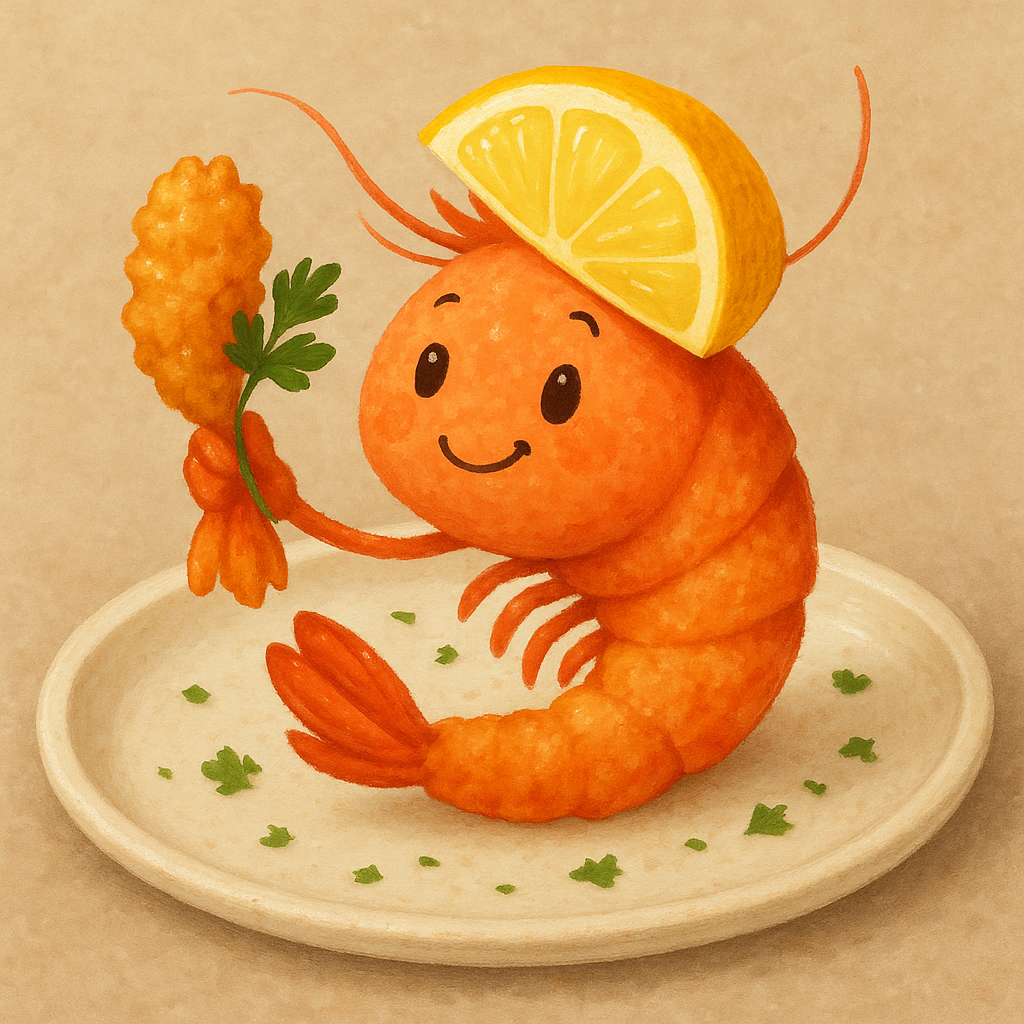
The Story Behind Fritto Misto

“Fritto misto” simply means “mixed fry,” and depending on where you stand in Italy, that can mean very different things.

Born by the Sea

Along Italy’s Adriatic and Ligurian coasts, fishermen would fry up whatever the day’s catch offered—tiny fish, shrimp, calamari, or even small crabs. It was food meant to be eaten hot, quickly, and with your hands. Street vendors would serve it in paper cones (“cuoppo”), letting the sea breeze and sizzling heat mingle together in perfect harmony.

A Dish of Resourcefulness

In northern regions like Piemont or Veneto, the landlocked version appears: Fritto Misto alla Piemontese, featuring fried meats, vegetables, and even sweet fritters. It was born out of necessity and creativity—using every scrap of food available and turning it into a golden celebration.

Why We Still Love It Today

Because it’s everything we crave:

  • Crispy but light
  • Packed with flavor
  • Easily shared
  • A perfect example of cucina povera becoming timeless cuisine

Authentic Fritto Misto di Mare Recipe
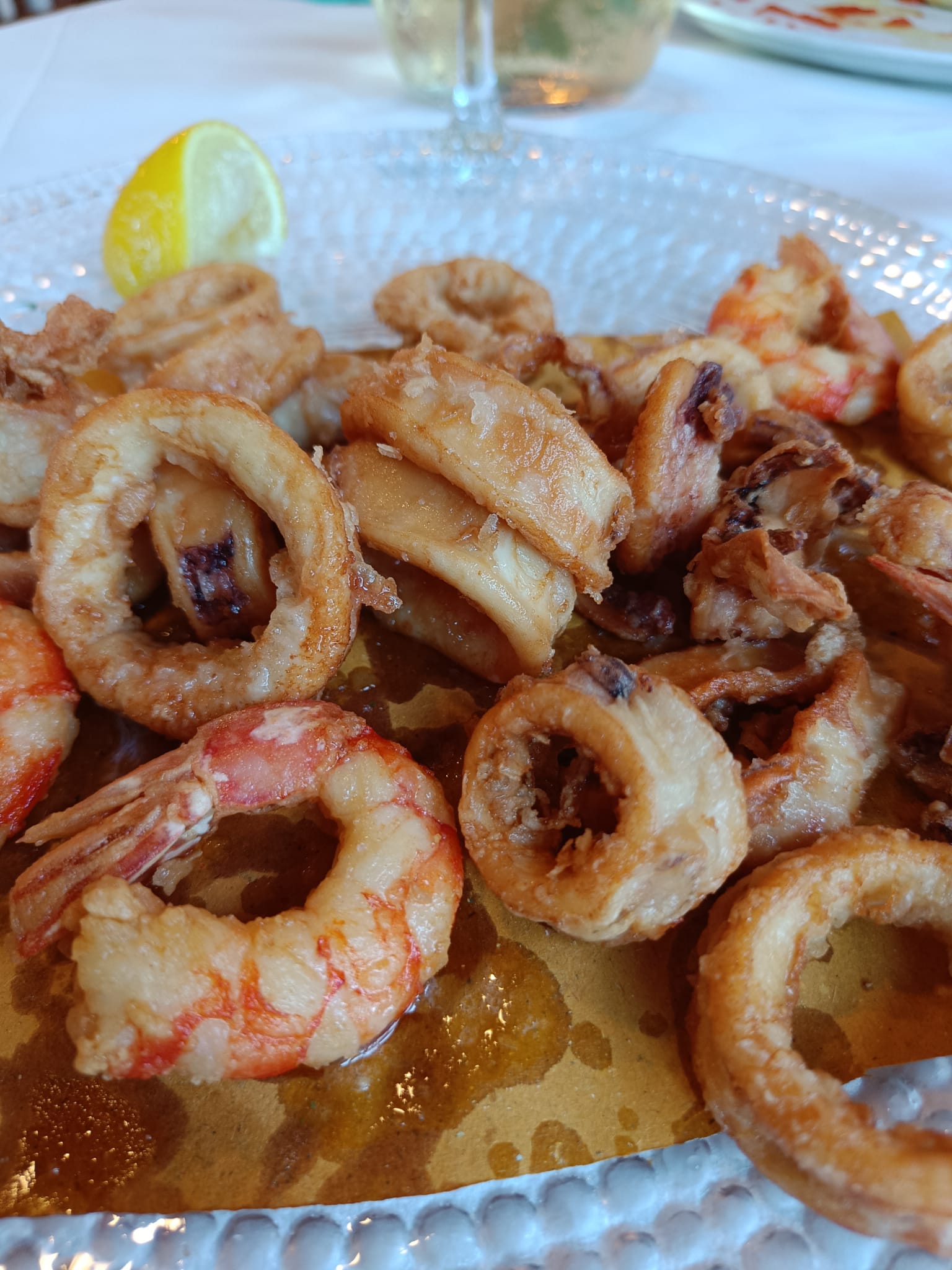
Frito Misto plate
Frito Misto plate

Serves: 2–3

Prep Time: 20 minutes

Cook Time: 10 minutes


Ingredients

Seafood

  • 200 g calamari, cleaned and sliced into rings
  • 200 g small shrimp (peeled or unpeeled—your choice)
  • 150 g small fish (anchovies, smelt, or whatever is fresh)

Coating

  • 1 cup fine semolina flour or a mix of semolina + all-purpose flour
  • A pinch of sea salt
  • Black pepper (optional)

For Frying

  • Neutral oil with high smoke point (sunflower, peanut, or light olive oil)

To Serve

  • Lemon wedges
  • Sea salt flakes
  • Fresh parsley (optional)

Instructions

1. Prepare the Seafood

Pat the seafood dry thoroughly—moisture is the enemy of crispiness.
If using whole small fish, keep them intact but remove any large bones if needed.

2. Heat the Oil

Pour about 2 inches of oil into a deep pan.
Heat to 180°C / 350°F.
(If you don’t have a thermometer, drop in a pinch of flour—if it sizzles, it’s ready.)

3. Coat Lightly

In a shallow bowl, mix the semolina and flour.
Toss the seafood in the mixture until lightly coated. Shake off the excess.

4. Fry in Batches

Add a handful of seafood at a time.
Crowding lowers the oil temperature and results in soggy fry.
Cook for 2–3 minutes, until pale golden and crisp.

5. Drain and Season

Transfer to a plate lined with paper towels.
Immediately salt while still hot.

6. Serve

Pile everything onto a platter.
Add lemon wedges and a sprinkle of parsley.
Eat right away—it waits for no one.


Tips for the Perfect Fritto Misto

  • Use semolina for extra crunch.
  • Keep seafood cold until the moment it’s fried.
  • Eat while hot—freshness is key.
  • Try variations: zucchini strips, sage leaves, or even thinly sliced fennel.
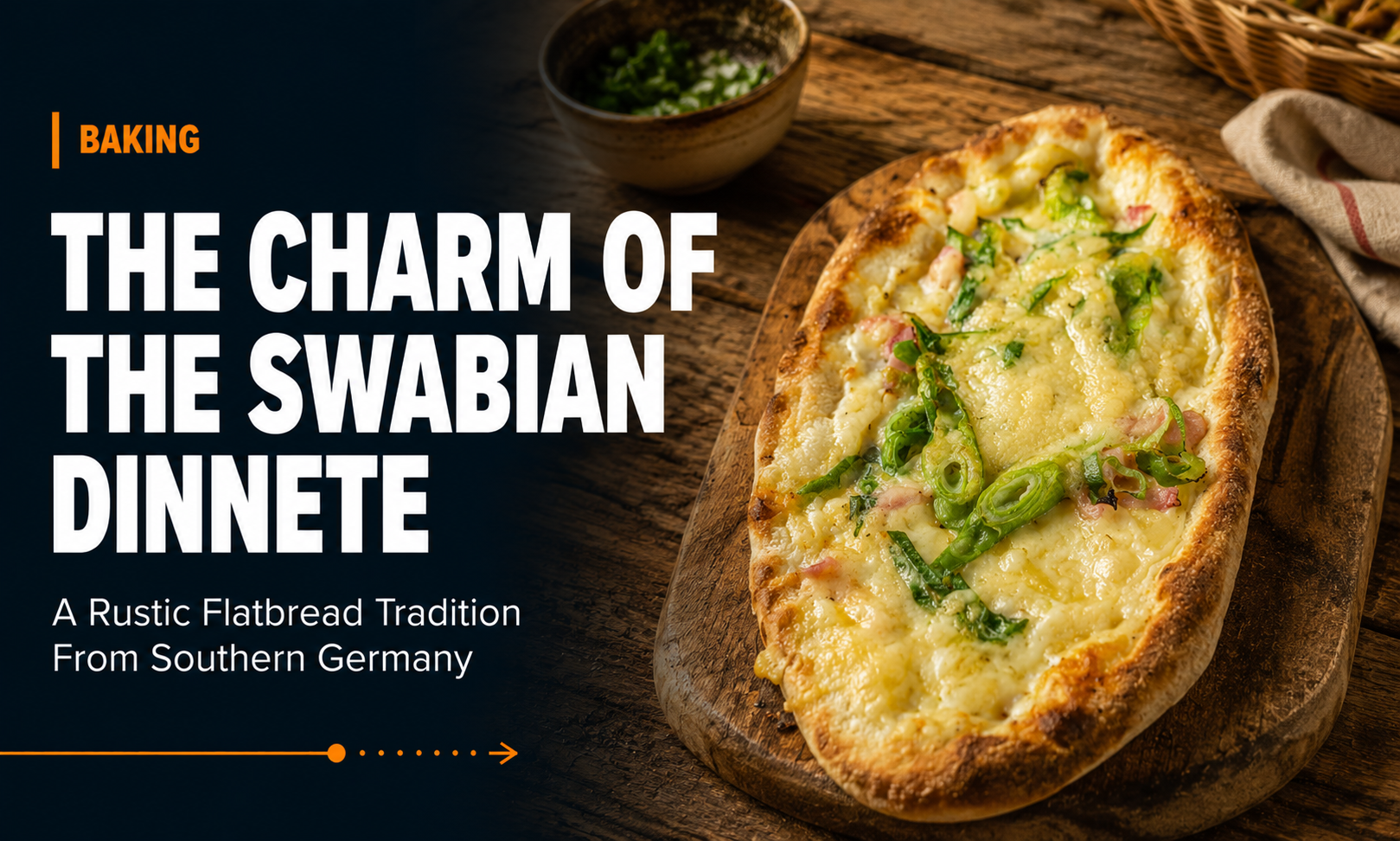
The Charm of the Swabian Dinnete

The charm of the swabian dinnete

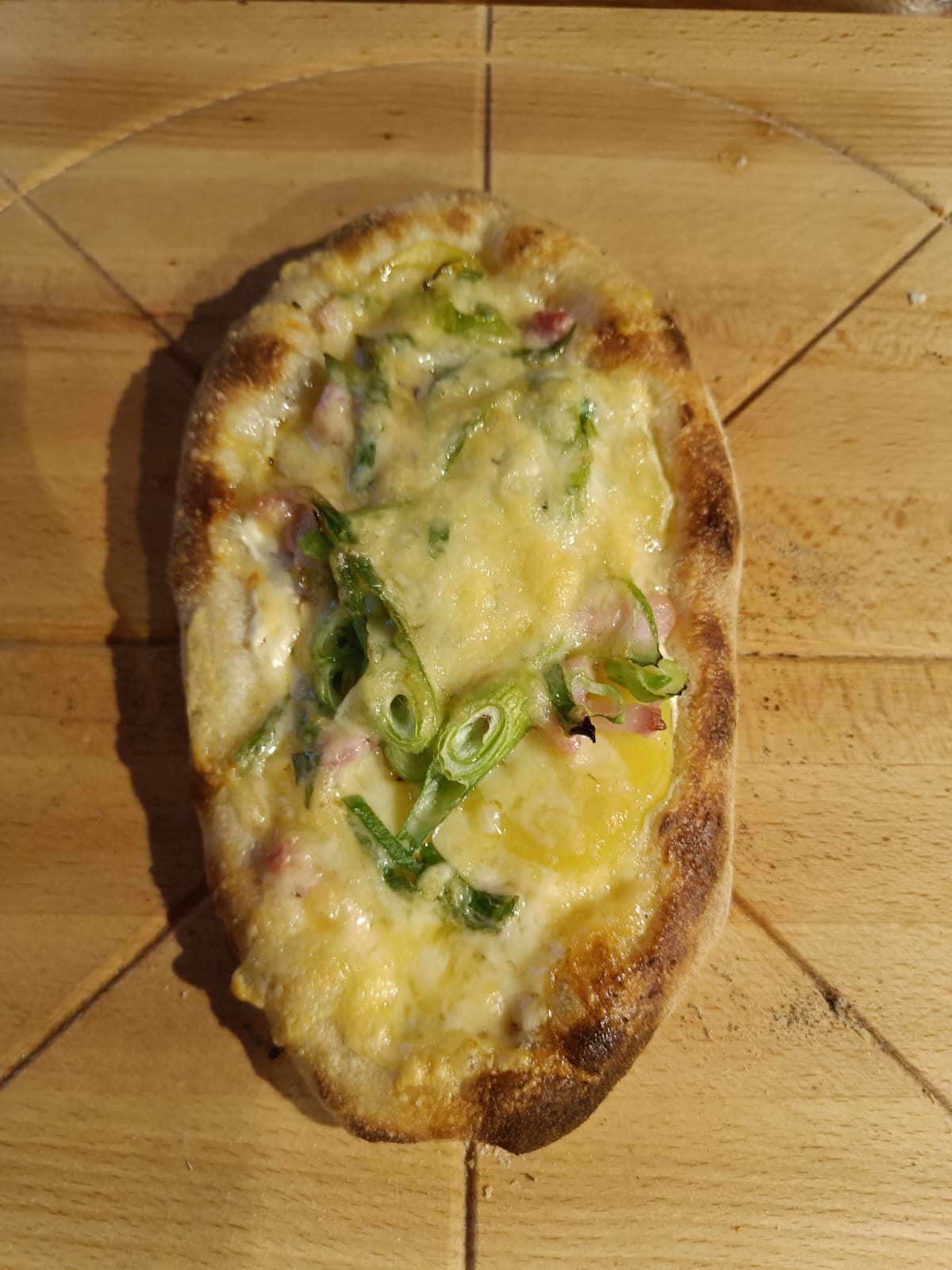
There are dishes that feed us, and dishes that connect us — and the Dinnete is unmistakably the latter. This rustic Swabian flatbread, with its crisp edges, creamy topping, and comforting aroma, is woven into the everyday life and heritage of southern Germany. What began as a simple, practical way to use up bread dough has become a culinary symbol of warmth, family, and tradition.

The Dinnete is the kind of food that doesn’t need a grand presentation. It’s the food you bake on market days, the treat you look forward to at village festivals, and the dish that transports you instantly back to a grandmother’s kitchen with its wood-fired oven and slow-rising dough. Its charm lies in its simplicity — a handcrafted dough, a topping of cream, onions, bacon, or potatoes, and the gentle heat of a hot oven turning it into something deeply satisfying.

Whether you’re tasting it for the first time or rediscovering it from childhood memories, the Dinnete reminds us of the beauty of traditional cooking: humble ingredients, honest flavors, and a dish meant to be shared.

Swabian Dinette
Swabian Dinette

A Short History of the Dinnete

The Dinnete (also spelled Dinnete, Dinnele, Dünnele, or Dinette depending on the region) originates from Swabia, a cultural region in southwestern Germany covering parts of Baden-Württemberg and Bavaria. Its roots reach back to centuries-old baking traditions, when families baked bread just once a week.

Before placing the large loaves into the wood-fired oven, bakers tested the oven temperature by baking small pieces of dough topped with cream, onions, or potatoes. These “test breads” soon became beloved snacks of their own — the early ancestors of today’s Dinnete.

Over time, the dish spread across rural villages and market towns, especially in regions like the Swabian Alb, Oberschwaben, and the Allgäu. Each area developed its own variation in shape, topping, and name. Market stalls and bakeries started selling Dinnete on festival days and weekly markets, turning it into a true regional specialty.

Today, the Dinnete continues to be a highlight at Swabian Christmas markets, village fairs, and harvest festivals, and it’s increasingly appreciated in home kitchens across Germany and beyond. Despite modern adaptations, the essence of the dish remains unchanged: handmade, hearty, and deeply rooted in tradition.


Classic Swabian Dinnete Recipe

(Yields 4 Dinnete – ideal for 4–6 people)

Ingredients

For the dough:

  • 300 g wheat flour (Type 550 recommended)
  • 150 g spelt flour (optional, for a nutty flavor)
  • 250–300 ml lukewarm water
  • 21 g fresh yeast (or ½ packet dry yeast)
  • 1 tsp sugar
  • 1 tsp salt
  • 1 tbsp olive oil

For the classic savory topping:

  • 200–250 g sour cream or crème fraîche
  • 1–2 onions, sliced into thin rings
  • 150–200 g smoked bacon cubes (can substitute pancetta)
  • Optional: 100–150 g grated cheese (Emmental, Bergkäse, or similar)
  • Salt & pepper
  • Optional spices: pinch of nutmeg, caraway seeds

Instructions

1. Prepare the dough

In a large bowl, combine the flours and salt. Dissolve the yeast and sugar in about 100 ml of the lukewarm water, then pour the mixture into a well in the center of the flour. Add the remaining water and olive oil, then knead into a smooth, elastic dough.
Cover and let it rise for about 1 hour, or until doubled in size.

2. Divide and shape

Divide the dough into 4 equal portions and shape them into balls. Let them rest for 10 minutes, then roll each piece into a thin oval or round base, about 3–5 mm thick.

3. Preheat the oven

Preheat your oven to 230–250°C (445–480°F).
For the crispiest result, use a preheated pizza stone or baking steel.

4. Add the toppings

Spread a thin layer of sour cream or crème fraîche over each dough base.
Top with onion rings, bacon cubes, and optional cheese.
Season with salt, pepper, and a hint of nutmeg or caraway if desired.

5. Bake

Bake each Dinnete for 12–15 minutes, or until the edges are crisp and golden and the toppings are lightly caramelized.

6. Serve hot

Dinnete tastes best straight from the oven. Serve warm as a snack, light dinner, or sharing platter with friends and family.


Optional Variations

  • Potato Dinnete (creamy, hearty, traditional)
  • Cheese & Herb Dinnete
  • Vegetarian Onion & Chive Dinnete
  • Sweet Apple & Cinnamon Dinnete

Rainbow Snack Plate for Kids

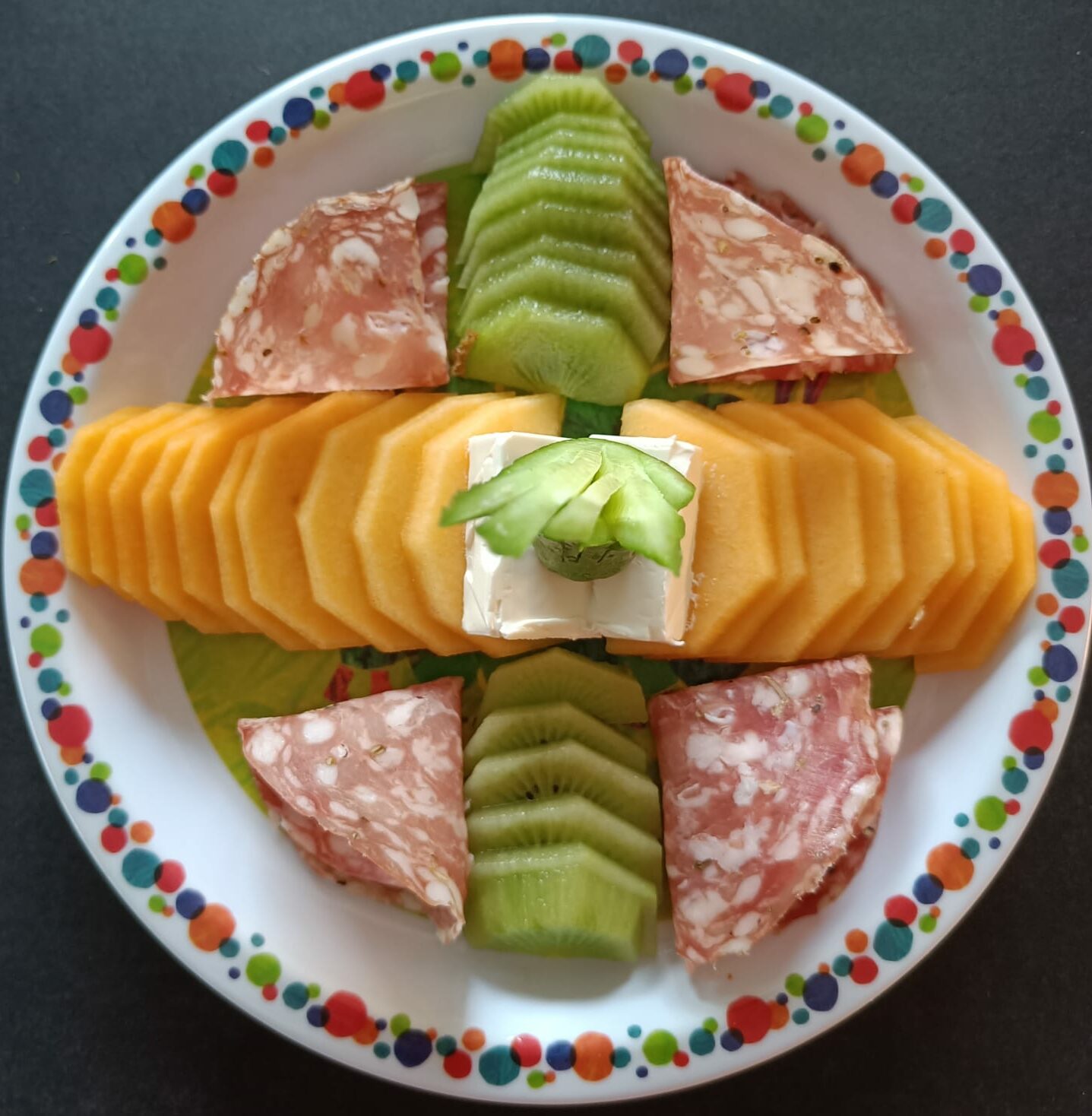
Rainbow (almost) snack plate for kids

A tasty, healthy, and super fun breakfast you can help make!

Inspiration Behind the Rainbow snack

This colorful snack plate is inspired by the idea that food can be fun, beautiful, and exciting — just like a little piece of art you can eat! When kids see bright colors and playful shapes, their eyes tell their brain:
“Wow! This looks yummy!”
We call that eye-yummyness — when a dish tastes good before you even take a bite.

Breakfast plate for kids
Salami, Kaki, Kiwi, Cucumbers and Kiri.

Why Colors, Shapes & Textures Matter for Kids

1. Colors make food more inviting

Kids are naturally drawn to bright, cheerful colors. Vibrant orange persimmon, green kiwi, and creamy white cheese help children feel curious and excited. When food looks friendly, kids are more likely to try new flavors.

2. Fun shapes help kids explore

Cutting fruit into zig-zags, tiles, or stacking cubes gives food a playful twist. Shapes turn eating into a mini adventure — “What will this piece taste like?” — helping picky eaters feel more open.

3. Different textures teach kids variety

Soft kiwi, juicy persimmon, smooth cheese, and chewy salami create a little texture journey. This helps children learn how different foods feel, which builds confidence with new foods.

4. Eye-yummyness boosts healthy eating

When a plate looks exciting, kids feel proud and happy. This positive feeling makes them want to eat more fresh fruits and nutritious foods — without pressure or fuss.

5. Creative food sparks imagination

Arranging food like a pattern, creature, vehicle, or landscape inspires creativity. Kids begin to see meals as something they can build and help prepare — great for motor skills, curiosity, and independence.


A Simple Way to Say It to Kids

“Your eyes help your tummy!
When food is colorful, funny-shaped, and pretty, your eyes say ‘YUM!’
That makes your tummy excited to taste it!”

Ingredients

  • 1 ripe persimmon (or mango/peach as an alternative)
  • 2 kiwis
  • 4 slices of kid-friendly salami or turkey slices
  • 1 piece of cream cheese (or cheese cube)
  • A few thin slices of cucumber for decoration

Tools You Need

  • A small kid-safe knife
  • A plate
  • An adult helper!

How to Make It

1. Slice the Fruit

  • Peel the kiwis and cut them into little zig-zag or straight slices.
  • Slice the persimmon into thin orange “tiles.”
    (This makes the plate look like a rainbow!)

2. Build the Shape

  • Put the kiwi slices at the top and bottom of the plate.
  • Lay the persimmon slices in a row across the middle, like a bright orange bridge.

3. Add the Salami Corners

  • Fold each salami slice and place one near each kiwi section so it looks balanced and fun.

4. Place the Cheese

  • Put a cube or slice of cream cheese right in the middle.

5. Make a Cute Decoration

  • Add some tiny cucumber slices on top of the cheese—like a little hat or flower! ?

Time to Eat!

Your snack plate is ready!
It’s colorful, fresh, sweet, salty, and creamy all in one. Perfect for breakfast or a fun afternoon snack.

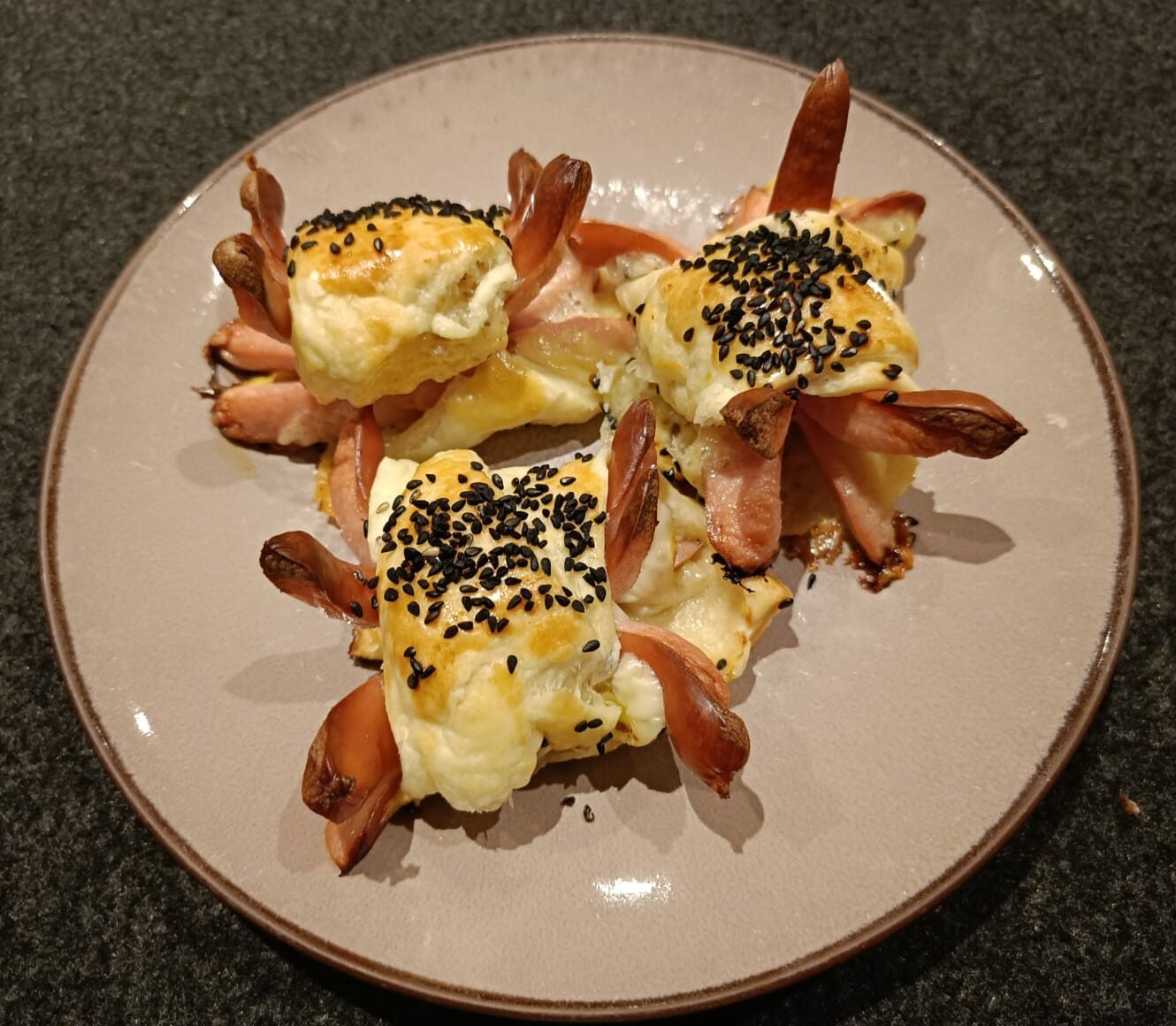
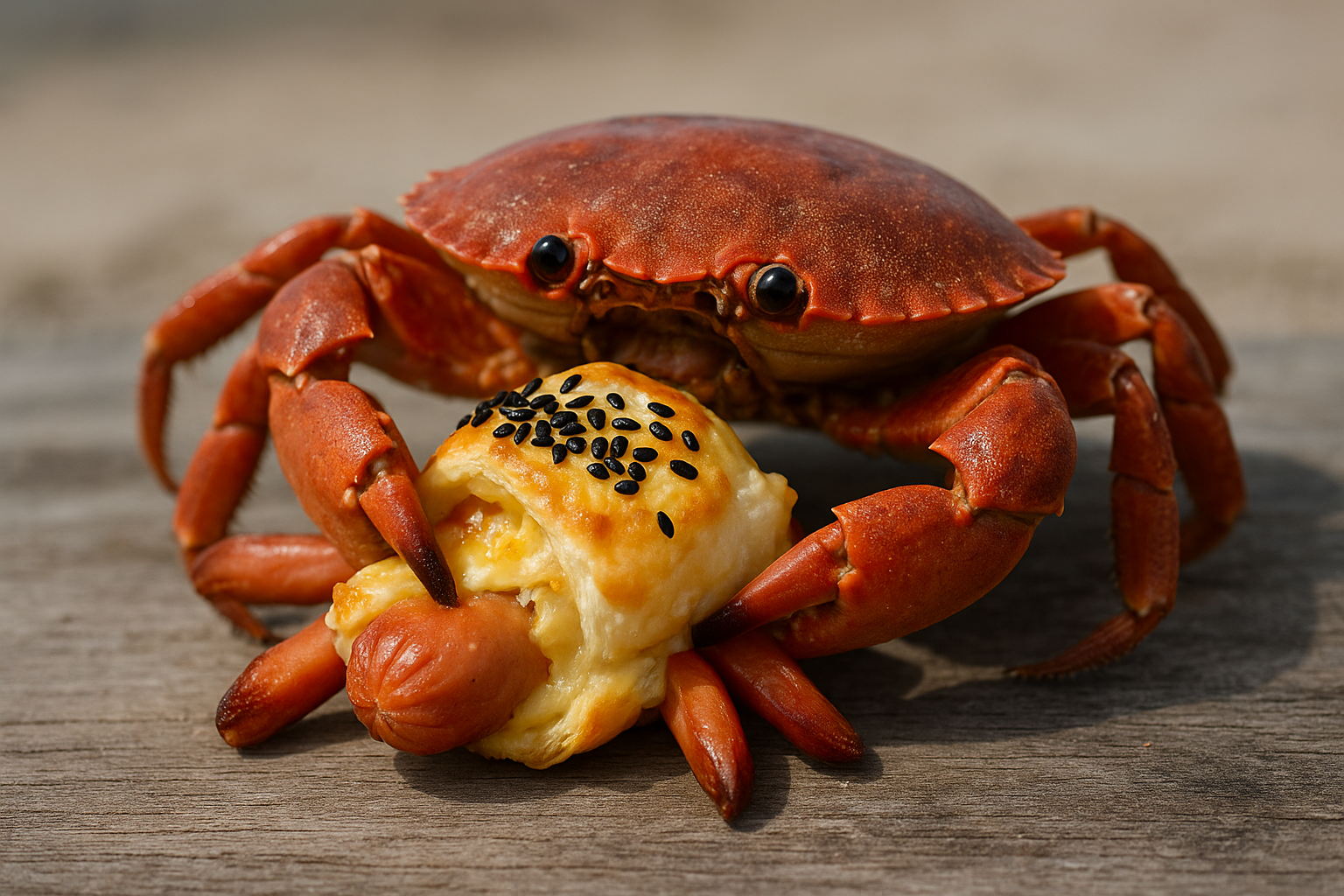
Sausage Crabs — The Cutest Puff Pastry Snack You’ll Ever Make

Sausage crabs - the cutest puff pastry snack you´ll ever make

Looking for a fun, delicious, and kid-friendly kitchen project? These Sausage Crabs are the perfect mix of playful creativity and savoury comfort food.
They’re easy to make, great for cooking with children, and guaranteed to bring smiles to the table!

Crispy puff pastry, melty cheese, buttery flavour, and the adorable “crab legs” made from sliced Wiener sausages — this recipe is as tasty as it is entertaining.

Wiener sausage crabs in puff pastory.
Wiener Sausage crabs in puff pastory.

Ingredients (makes 6–8 Sausage Crabs)

  • 3–4 Wiener sausages (hot dog style)
  • 1 roll of puff pastry
  • Slices of cheese (Gouda, Cheddar or Emmental work great)
  • 1 egg yolk
  • 2 tbsp milk
  • Black sesame seeds for topping
  • Optional: Ketchup, mustard or dips

How to Make Sausage Crabs

1. Prepare the “crab legs”

Cut each Wiener sausage into 3 pieces.
Then slice each end lengthwise (about 4 tiny cuts per end).
When heated, the ends will curl outward — creating the perfect crab-like legs.

2. Wrap with cheese & puff pastry

Cut the puff pastry into small rectangles.
Place a thin slice of cheese in the middle.
Lay your sausage piece on top and wrap the pastry around the center, leaving the sliced ends sticking out like legs.

3. Make a golden glaze

Whisk together:

  • 1 egg yolk
  • 2 tablespoons milk
    Brush this mixture over the puff pastry for that beautiful golden shine.

4. Add the finishing touch

Sprinkle black sesame seeds on top.
They add flavour — and make the little crabs look extra adorable.

5. Bake

Place your crabs on a baking sheet lined with parchment.
Bake at 200°C (390°F) for 15–20 minutes, until the pastry is puffed and golden, and the crab legs have curled.


Tips for Cooking with Kids

  • Let kids cut the pastry and place the cheese.
  • They love brushing the shiny egg glaze!
  • Watching the “legs” curl in the oven is pure kitchen magic.

This recipe encourages creativity, fine motor skills, and kitchen confidence — all while having fun.


Serve & Enjoy

Your Sausage Crabs are ready to serve!
Perfect for:

  • Party snacks
  • Kids’ lunch plates
  • Creative cooking afternoons
  • Fun family weekend meals

They’re delicious warm with mustard, ketchup, or a simple yogurt dip.

The 2025 Flavor Revolution: A New Era of Culinary Arts

The 2025 flavour revolution

The culinary world is transforming faster than ever, and 2025 is shaping up to be a landmark year for chefs, home cooks, and food creators worldwide. A new movement is emerging — bold, sensory, artistic — pushing cuisine beyond taste and into storytelling. Welcome to the Flavor Revolution, where culinary arts blend creativity, science, culture, and immersive experience.

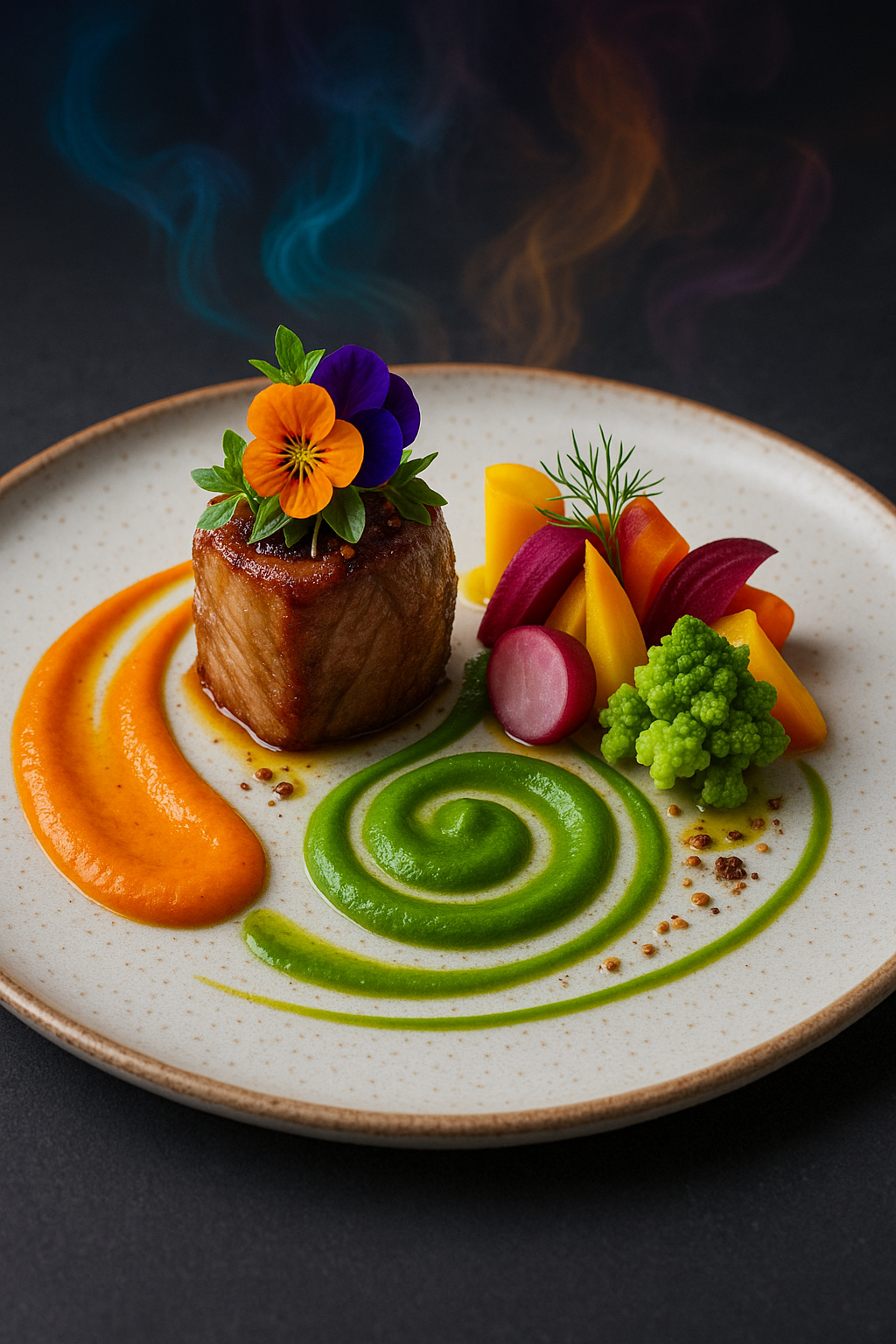
Flavour revolution
Image with a nicely arranged plate full of flavour

What Is the Flavor Revolution?

The Flavor Revolution is a global shift redefining how food is crafted, plated, and experienced. Instead of focusing solely on flavor profiles, chefs are now creating dishes that evoke emotions, spark curiosity, and build narrative. Each plate becomes a piece of edible art — a multisensory expression.

Key elements include:

  • Edible Color Theory: Using natural pigments to influence mood and perception.
  • Culinary Sculpting: Turning ingredients into intricate artistic forms.
  • Hyperlocal Fusion: Combining regional traditions with modern techniques for unforgettable contrasts.
  • Aroma Pairing Science: Curating scents that enhance taste and memory recall.
  • Tech-Enhanced Dining: Projection mapping, AI-crafted flavors, and interactive plating.

Why It’s Captivating Food Lovers Everywhere

This trend resonates because people want experiences, not just meals. Diners crave stories, immersive environments, and dishes that surprise them. Social media accelerates the movement — stunning plating and artistic compositions spread like wildfire, inspiring millions to try new techniques at home.

Restaurants adopting this approach report:

  • Higher guest engagement
  • Longer table conversations
  • Increased demand for tasting menus
  • Viral visual content

Culinary arts have officially evolved from craftsmanship to full sensory artistry.

Techniques Defining the 2025 Culinary Landscape

1. Texture Layering

Contrasting soft, crisp, airy, and silky elements creates dynamic bites that feel cinematic.

2. Botanical Infusions

Flowers, herbs, and smoked botanicals add complexity and visual drama.

3. Architectural Plating

Chefs construct dishes the way designers build sculpture — with intention, movement, and balance.

4. AI-Enhanced Recipe Crafting

AI tools help analyze flavor data, creating blends never before explored.

5. Neon Gastronomy

Vibrant natural colors (like butterfly pea, chili oils, and beet foams) create modern, Instagram-ready visuals.

The Future of Food Is an Experience

As the Flavor Revolution spreads, expect to see:

  • Restaurants becoming edible art galleries
  • Home cooks elevating plating to new heights
  • Global ingredients merging with futuristic techniques
  • Food becoming an emotional journey rather than a simple activity

The culinary arts are no longer just about feeding people — they’re about connecting, inspiring, and storytelling through taste.

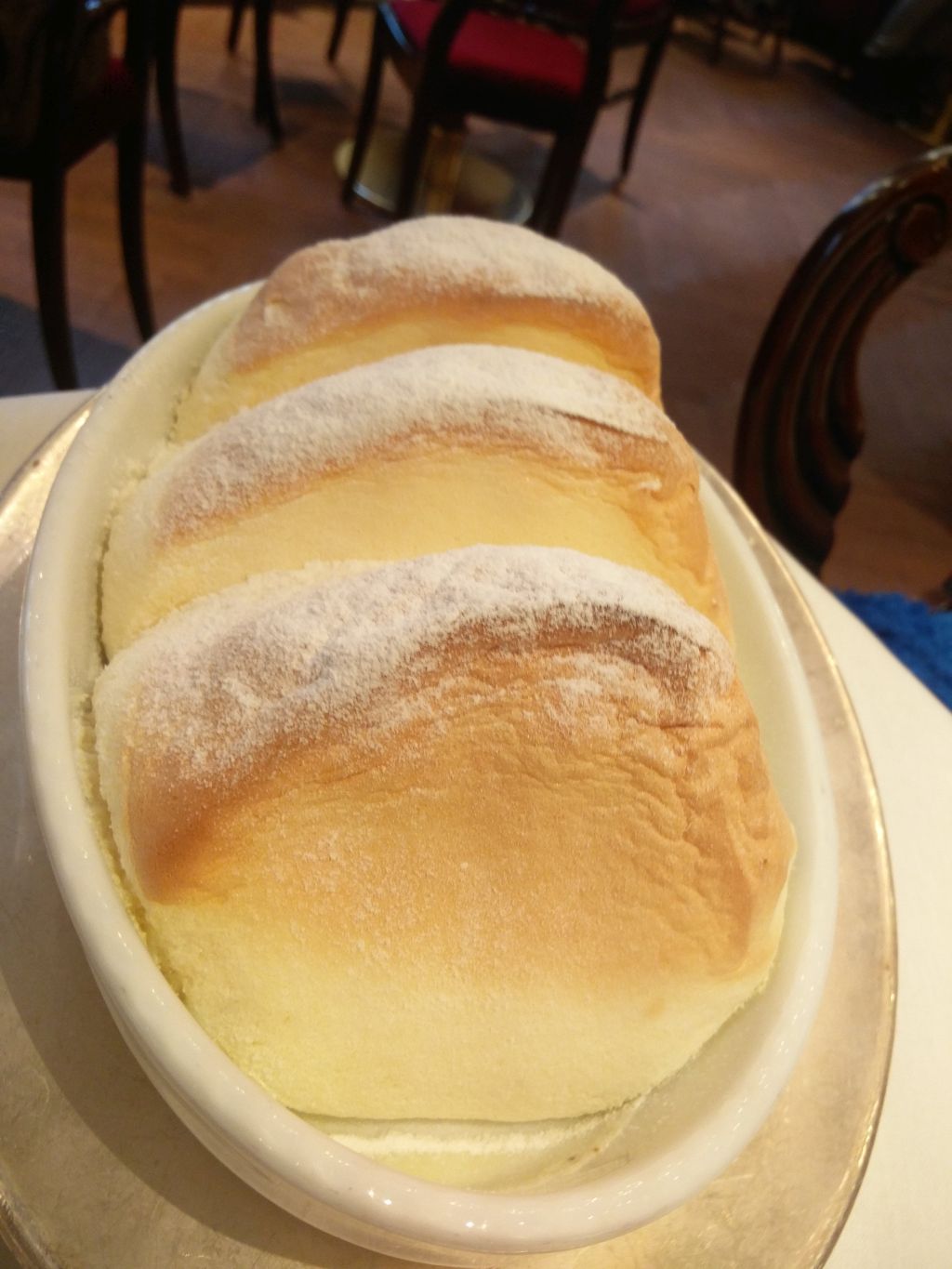
The Sacher Hotel Salzburg

The Sacher Hotel Salzburg

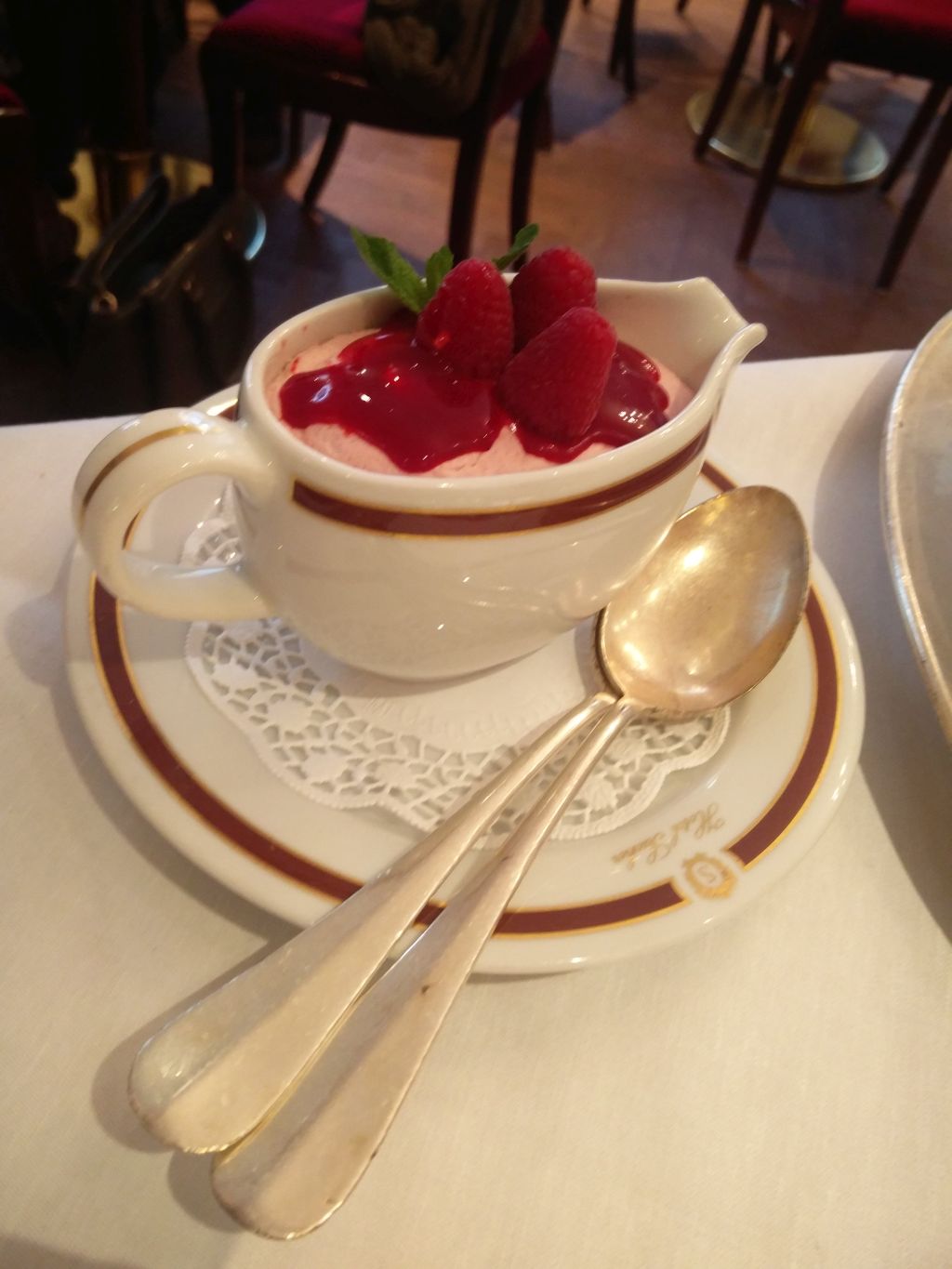
If you’re traveling to Salzburg, Austria, make sure to add a visit to the legendary Hotel Sacher Salzburg to your list — especially its refined coffee house, where Austrian dessert culture and old-world elegance come together in the most delightful way. The hotel, known for its heritage, charm, and warm hospitality, offers a quintessential taste of Salzburg’s culinary traditions.
https://www.sacher.com/hotel-sacher-salzburg/

One of the true highlights you simply cannot miss is the iconic Salzburger Nockerln. This light, fluffy soufflé is not just a dessert — it is a symbol deeply rooted in the city’s culture. Its three soft, snow-capped peaks are crafted to resemble Salzburg’s famous mountains: Mönchsberg, Kapuzinerberg, and Gaisberg. Each serving feels like a poetic tribute to the landscape, history, and soul of the region. Lightly sweet, beautifully golden, and served warm, it embodies both the simplicity and the elegance of Austrian cuisine.

Enjoying Salzburger Nockerln at Hotel Sacher is an experience that blends culinary craftsmanship, local storytelling, and authentic Salzburg ambiance. Whether you’re a lover of traditional pastries, a seeker of cultural experiences, or simply indulging in a memorable moment during your travels, this dessert — and this place — will leave a lasting impression.


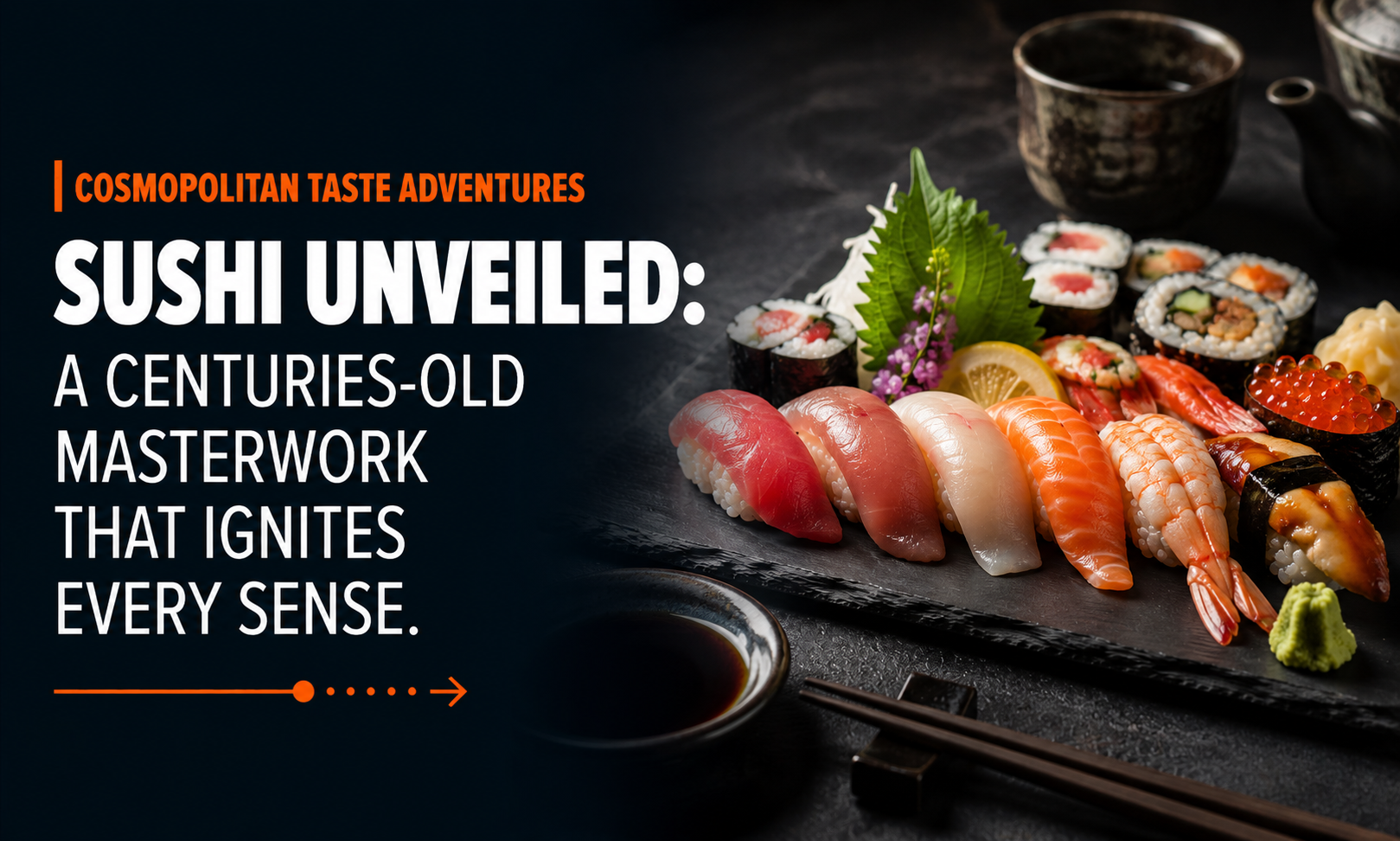
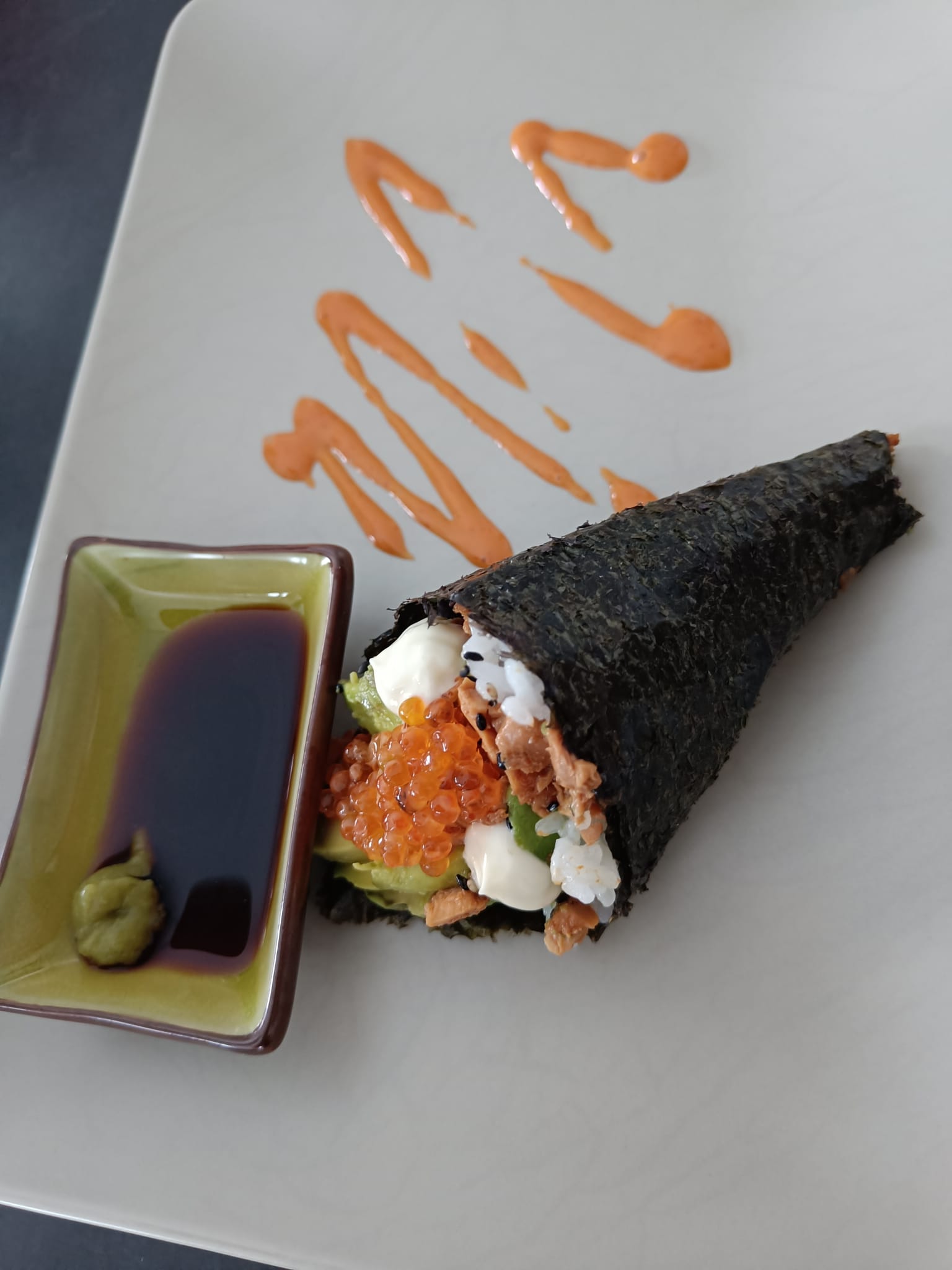
Sushi Unveiled: A Centuries-Old Masterwork That Ignites Every Sense.

Sushi unveiled

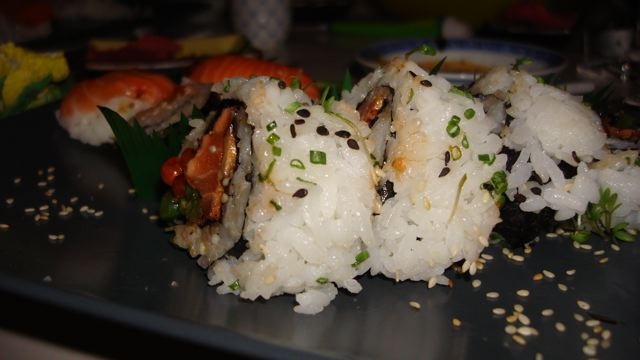
From the first burst of flavor on your taste buds to the eye-catching beauty of carefully arranged plates, sushi awakens all the senses. Rooted in centuries-old Japanese traditions, sushi began as a method of preserving fish before evolving into a refined culinary art form celebrated worldwide. Today, this tradition continues to evolve, blending masterful craftsmanship with modern creativity — from sustainable seafood practices to innovative interpretations by contemporary chefs.

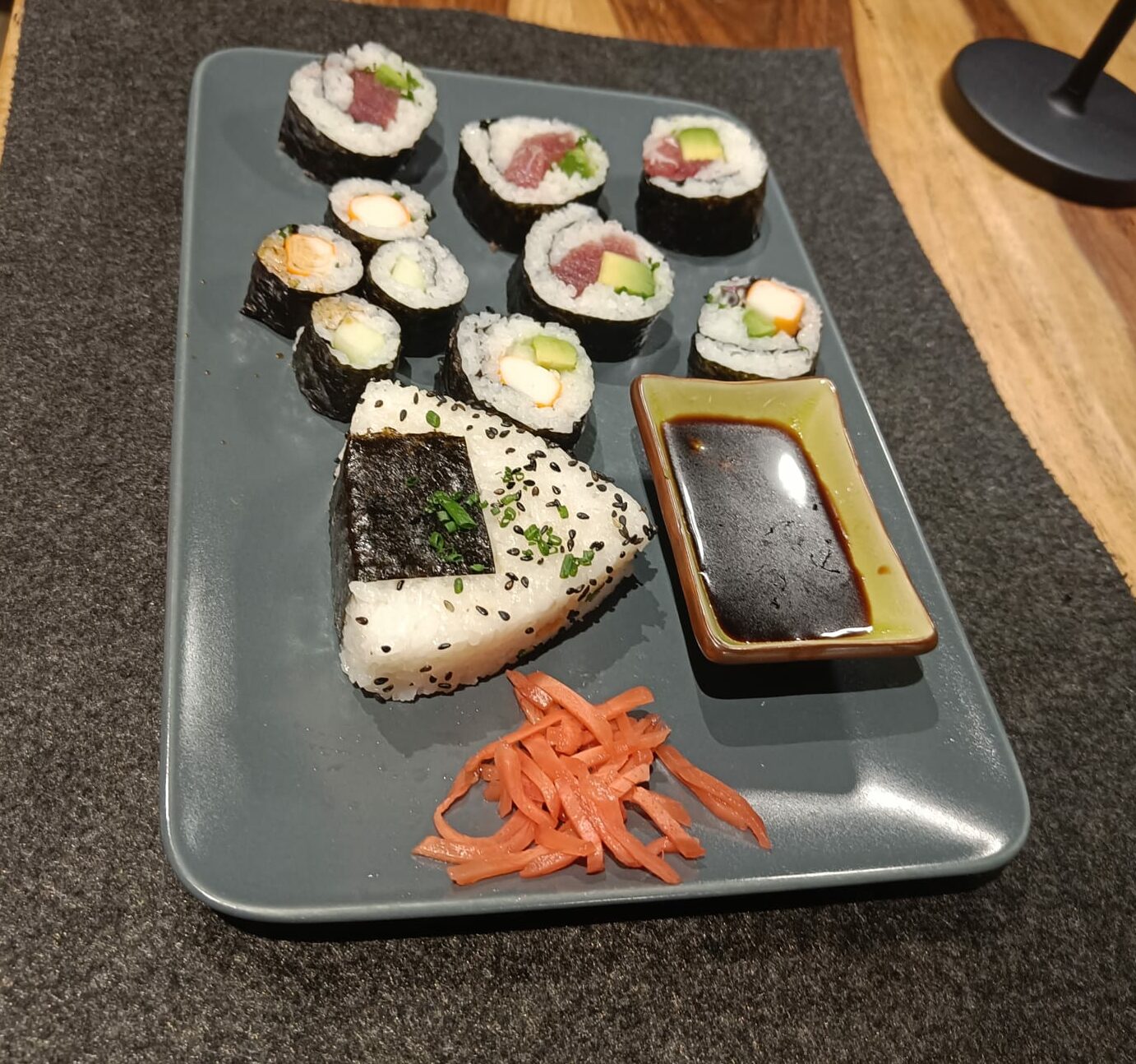
Onigiri Plate
Onigiri Plate

Sushi is more than food; it is passion, precision, and cultural storytelling in every bite. Here, you’ll discover the deep history, evolving trends, and inspiring artistry that make sushi one of the most beloved cuisines around the world.

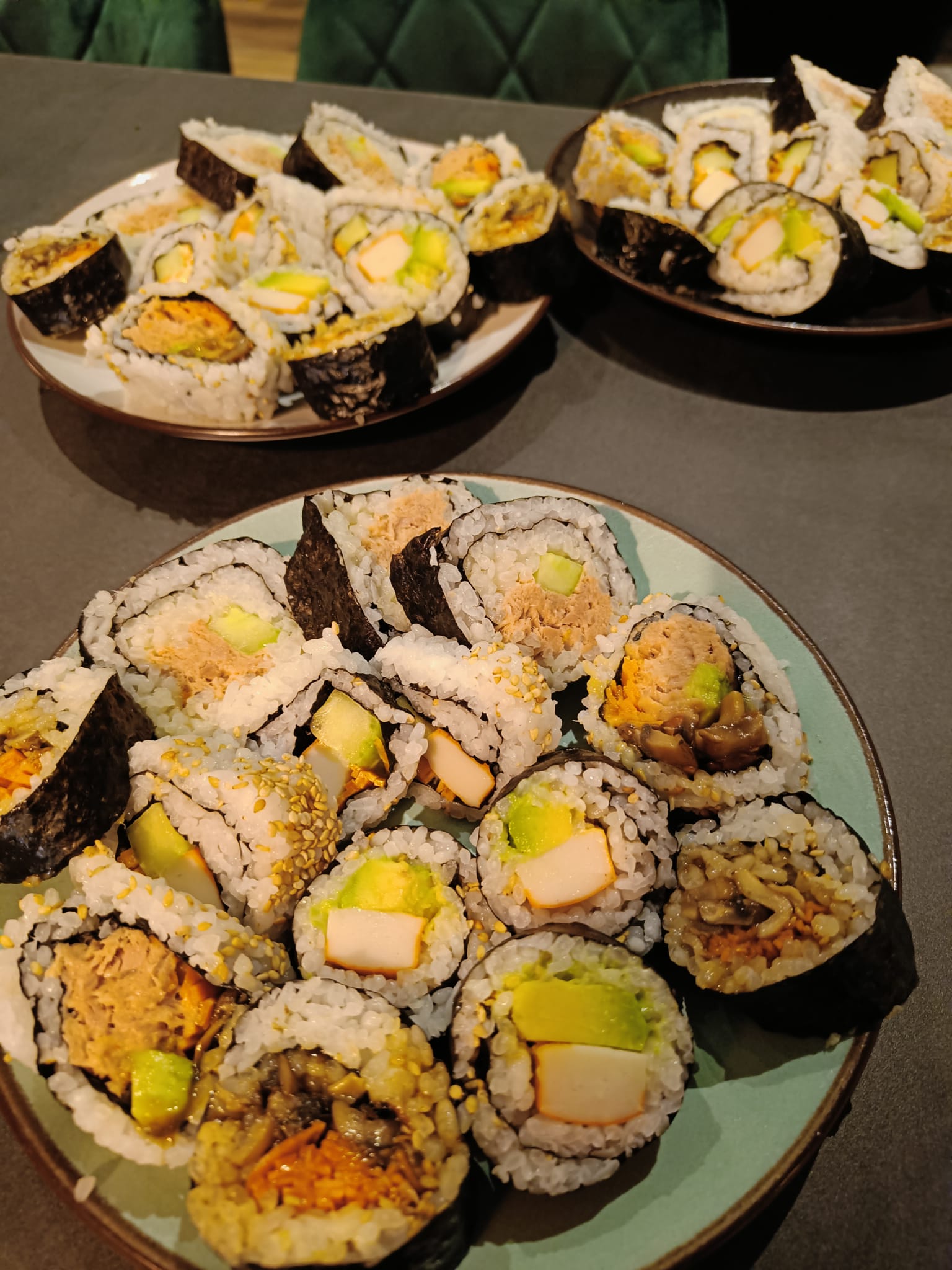
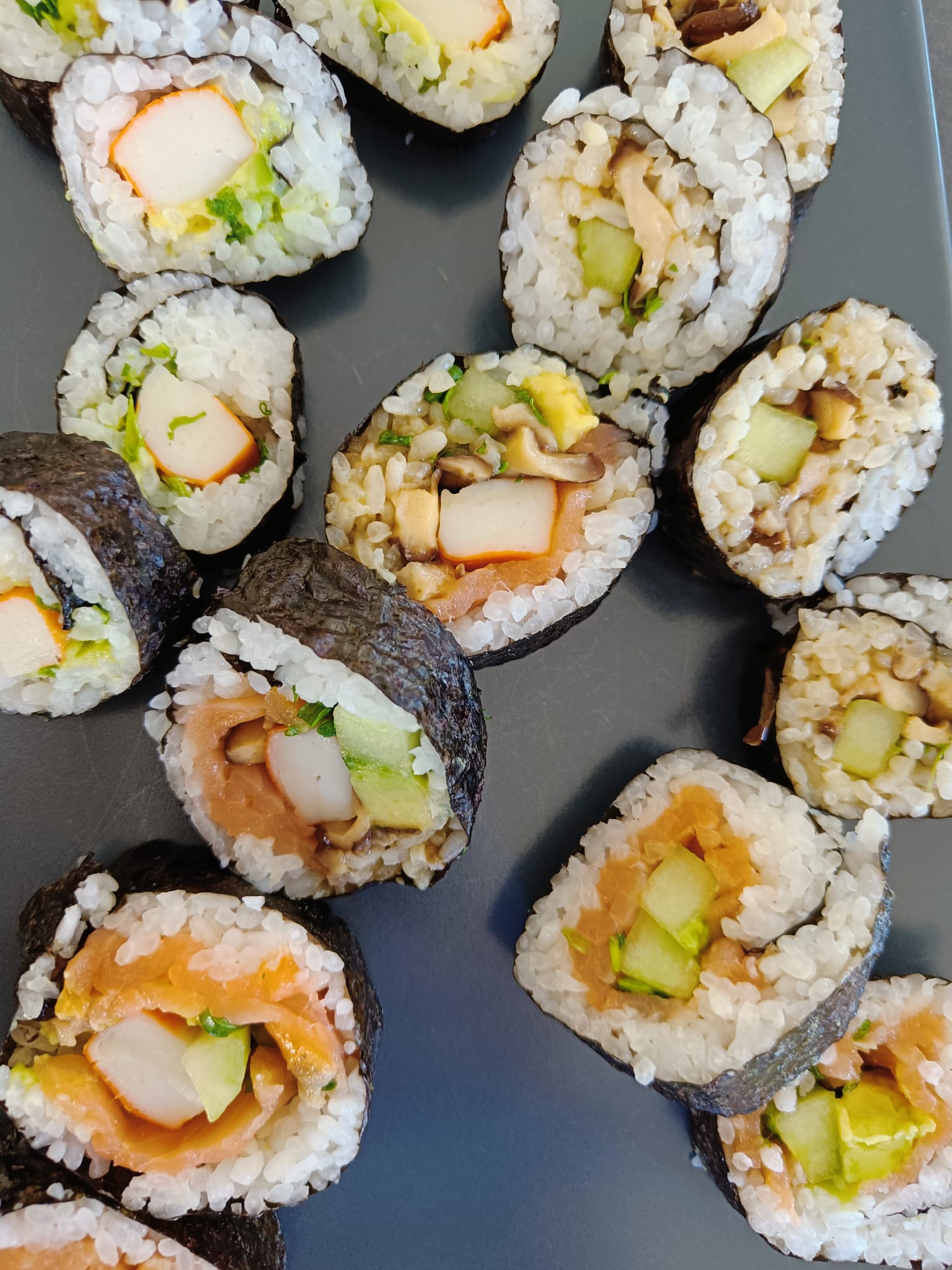
Home made Sushi
Home made Sushi

French Markets Unveiled: Discover Île d’Oléron’s Vibrant, Soul-Stirring Coastal Treasures.

French markets unveiled: Discover Île d'Oléron

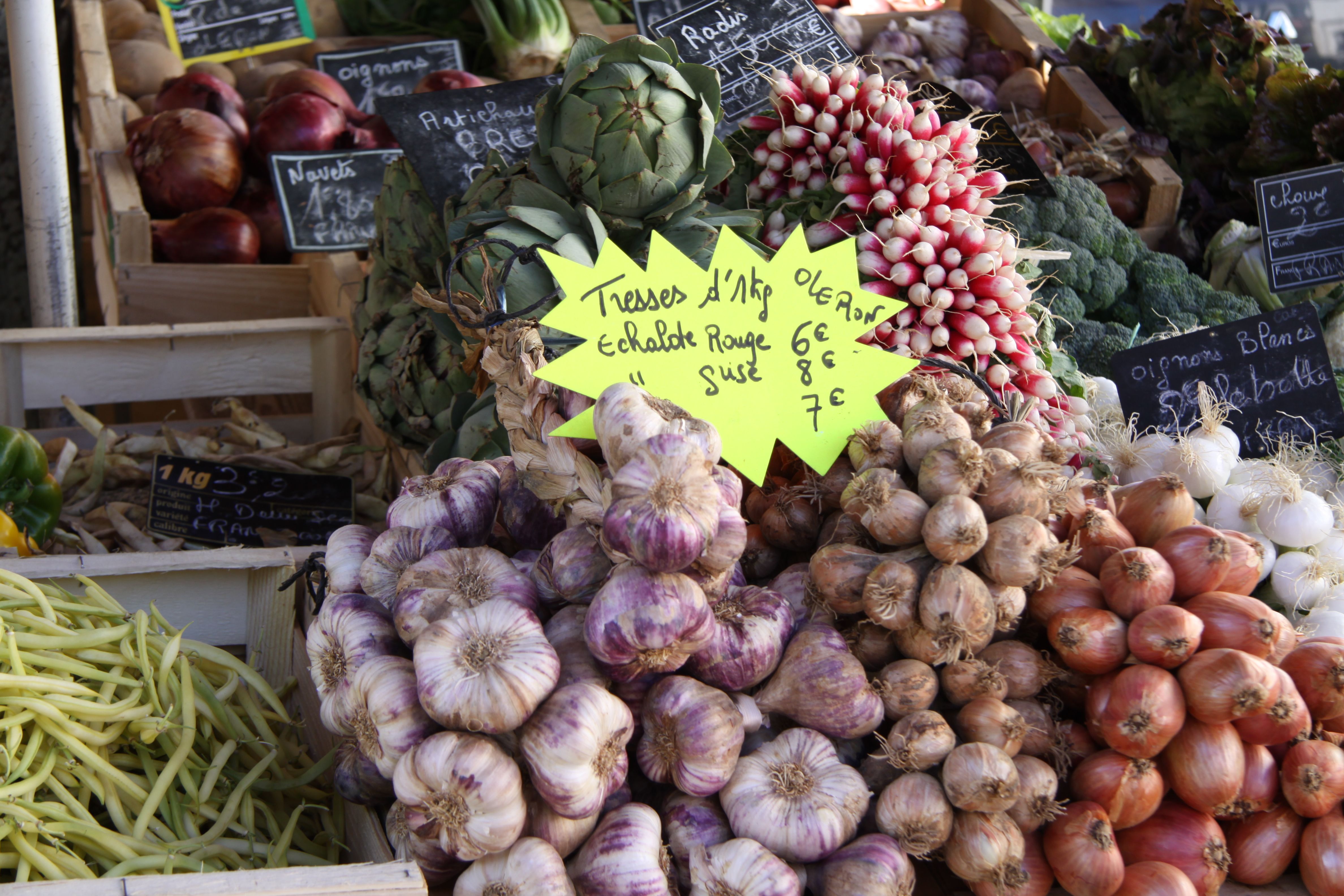
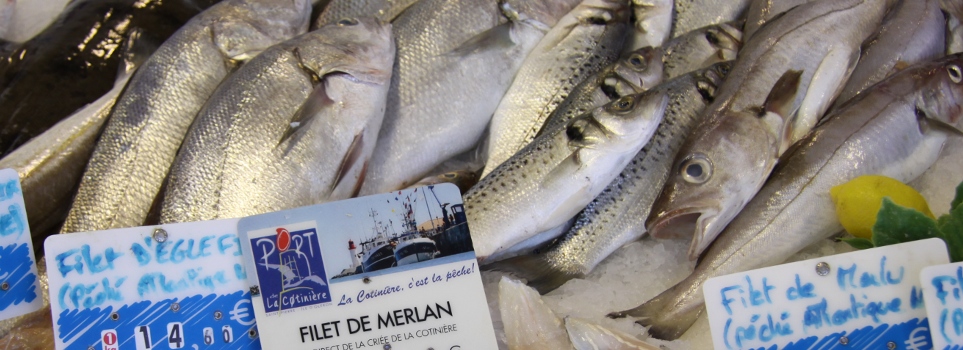
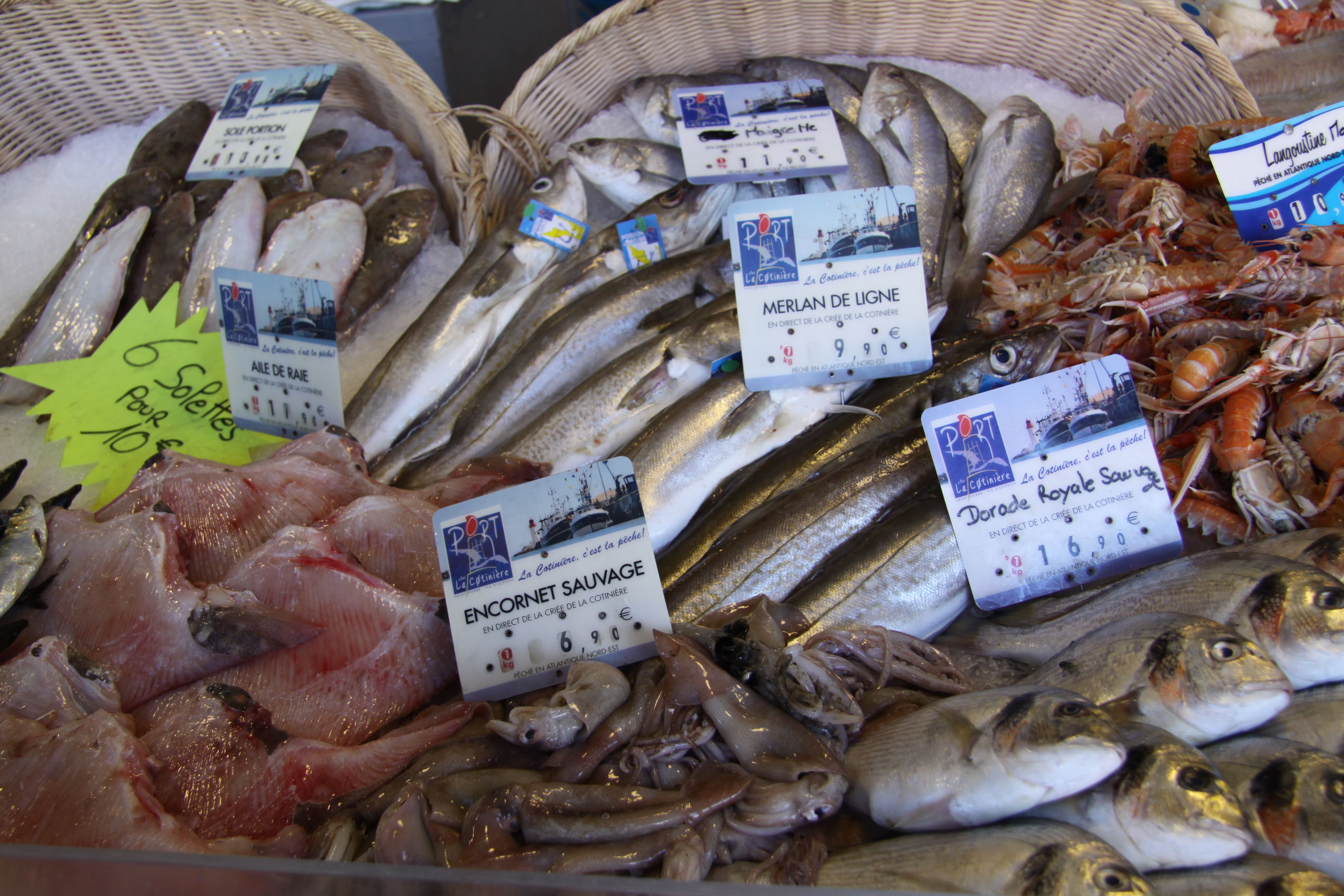
On France’s idyllic Île d’Oléron, you’ll find some of the most charming and character-filled markets the Atlantic coast has to offer. Strolling through these lively stalls feels like stepping into the island’s daily rhythm — where fishermen unload “off-the-boat” fresh fish and seafood each morning, and local farmers proudly display baskets brimming with sun-ripened fruits, crisp vegetables, fragrant herbs, and homemade delicacies. The aroma of freshly baked bread mingles with the scent of the sea, while colorful produce and artisanal cheeses create a feast for the eyes long before you even take a bite.

These markets are more than places to shop; they reflect the island’s soul, its traditions, and the culinary passion of the people who call it home. Whether you’re searching for ingredients for a seaside picnic or simply soaking in the atmosphere, each visit offers something new to discover.

https://www.oleroninsel.de/meinen-urlaub-vorbereiten/wo-sollen-wir-essen-wo-trinken/lokale-markte

To capture a bit of this vibrant experience, here are some snapshots that bring the island’s market magic to life:


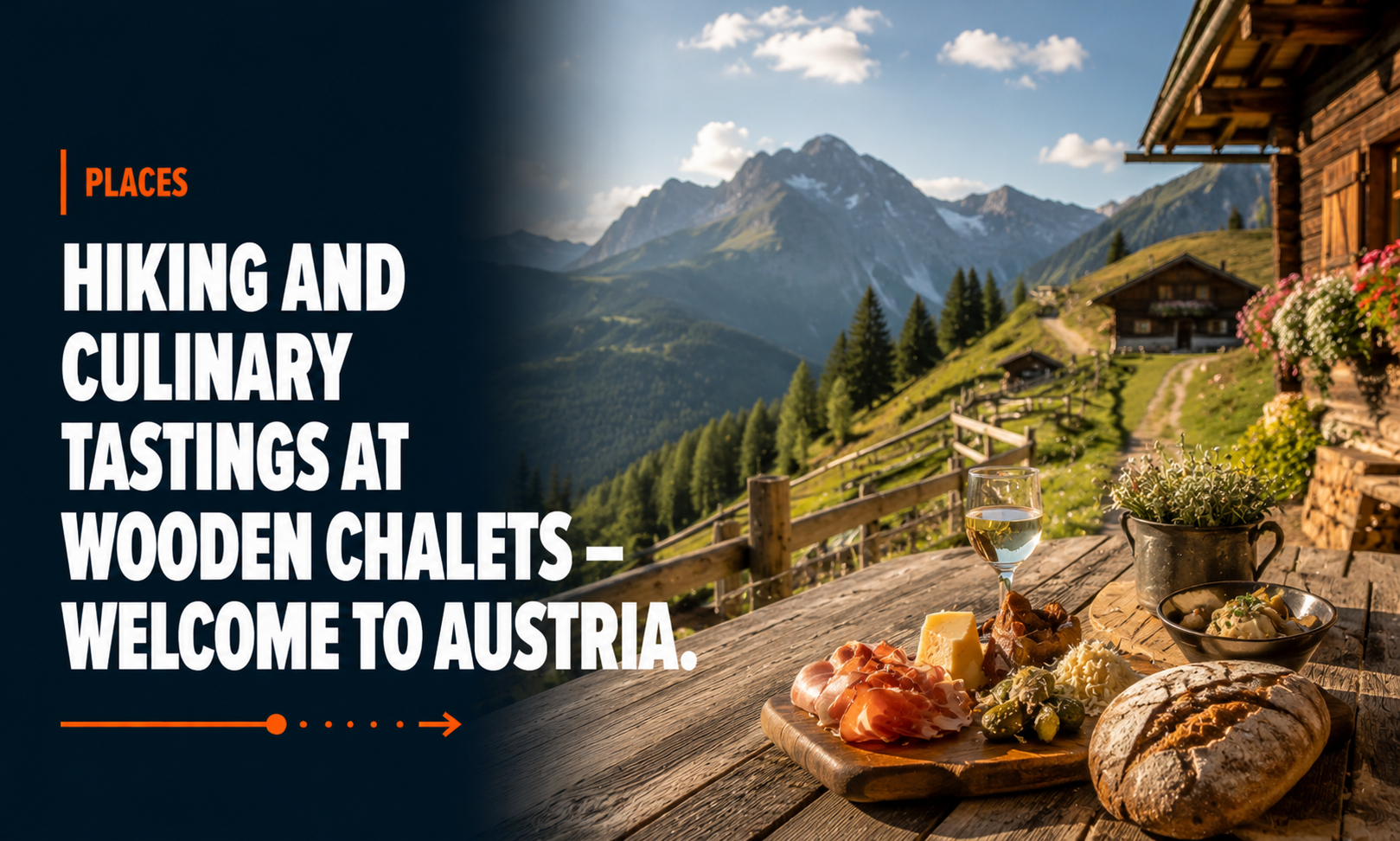
Hiking and culinary tastings at wooden Chalets – Welcome to Austria

Hiking in Austria. Enjoy the chalets and great local food.

If you love nature, romantism and local culinary products, you should visit Austria, especially the region around famous Salzburg and its surrounding. Surround You can choose different routes to hike, depending on your health and fitness level as well as hiking companion. Various stops can be done at the “Chalets – Hütten” where you can enjoy local Austrian cooking and delicacies. Get a first taste at: https://www.salzburgerland.com/de/magazin/holleralmen/?noredir

What an experience!

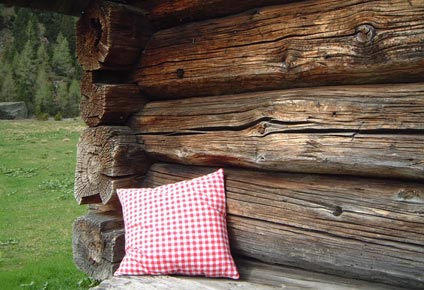
Austria Chalet
Chalet in Austria

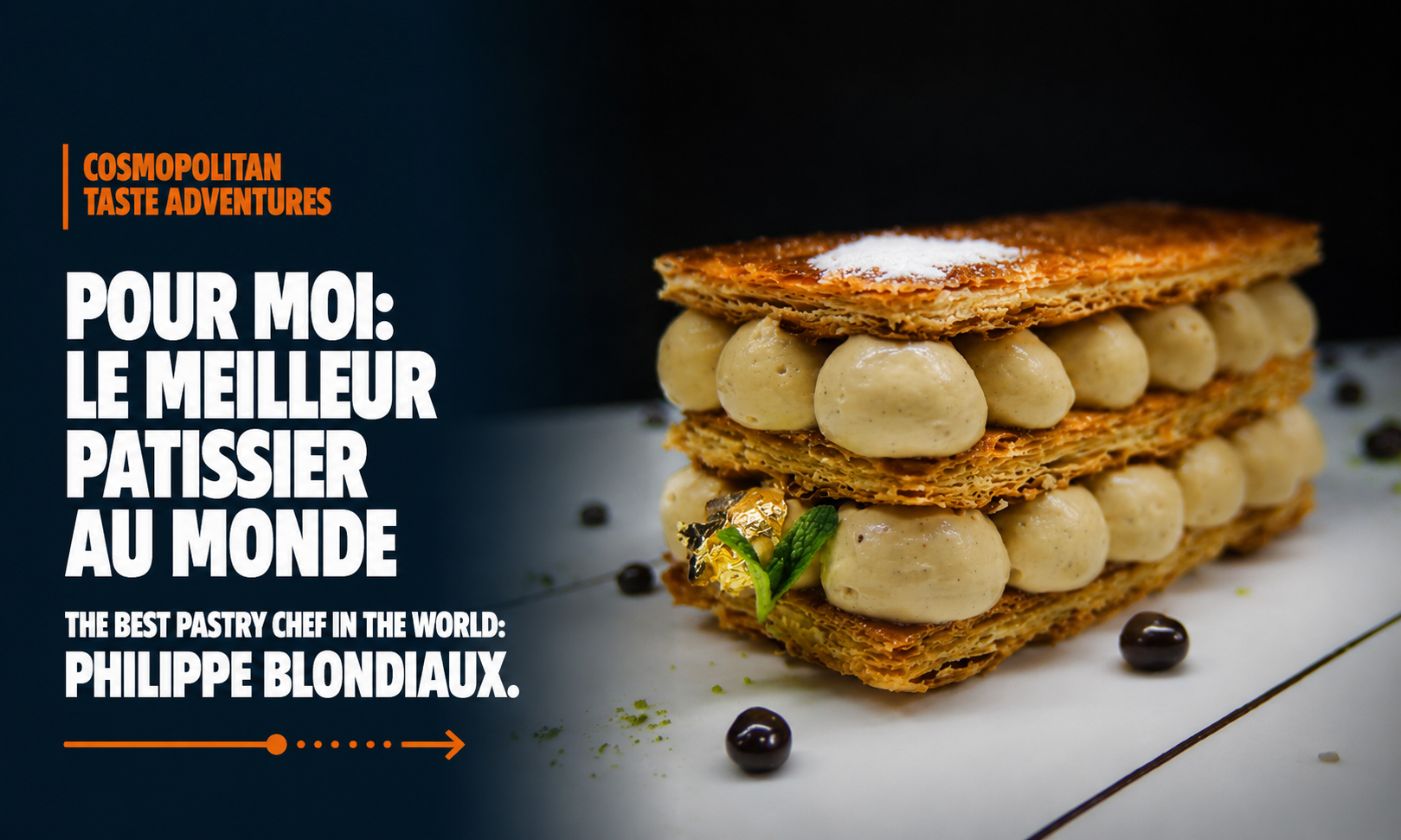
Pour moi: Le meilleur Patissier au monde / the best pastry chef in the world

The best pastry chef in the world. Philippe Blondiaux.

… Do you like the smell of chocolate, cinnamon, nuts, honey, fruit, vanilla, coconut and more.

I have had the chance to meet a pastry chef that has changed my “sweet” life.

He made me taste new recipes, daring mixes of unusual tastes and consistencies.

SINCE then, I have never tasted any dessert in my life as good as his.

Lucky us, that he has his own blog and shares some of his highlights with us:

http://lapatisseriegourmandedephilippe.over-blog.com/article-parfait-glace-au-praline-amandes-noisettes-87852391.html

Merci Philippe!

Ps. Images copyright to Philippe Blondiaux

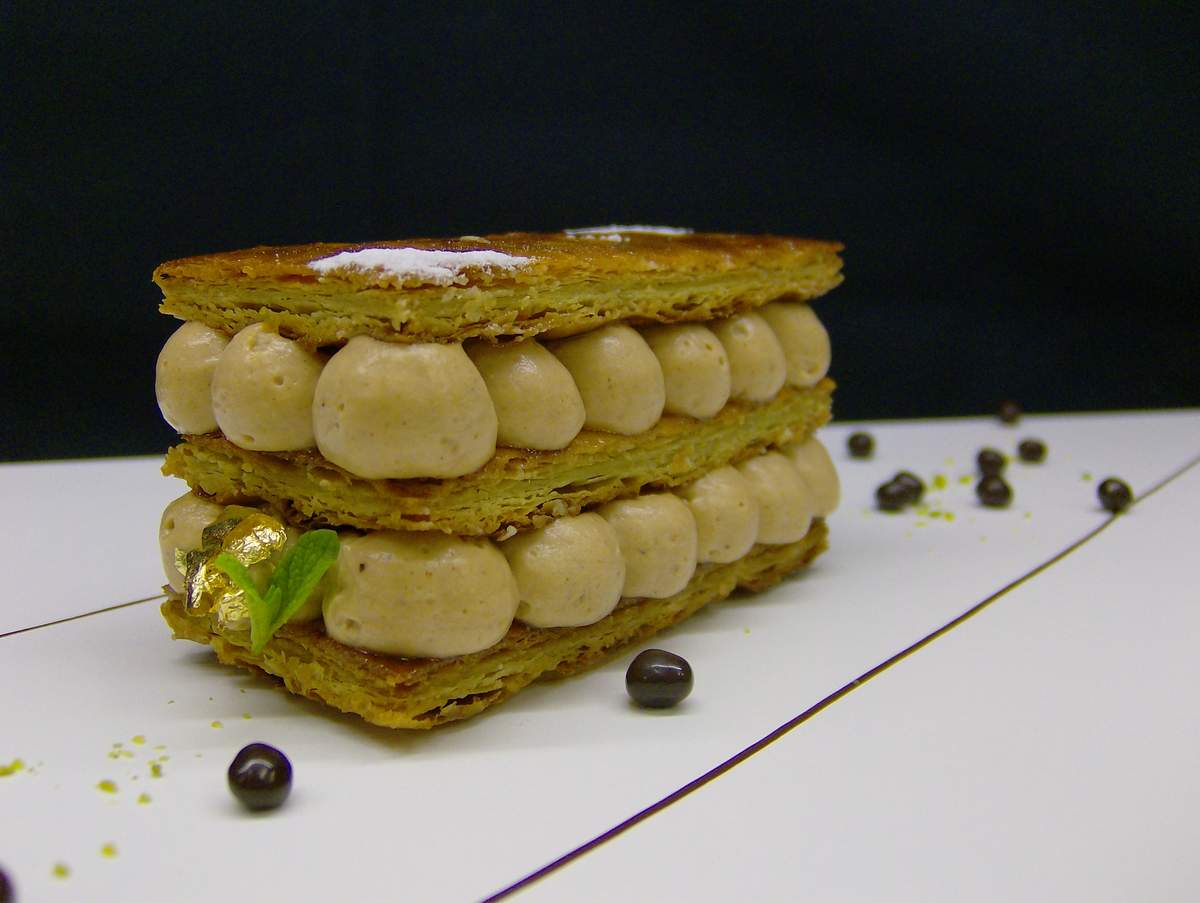
Tarte-au-citron--millefeuille-pralin- by Patissier Philippe Blondiaux
Tarte-au-citron-millefeuille-pralin