

1. LLM vs. RAG — the foundation
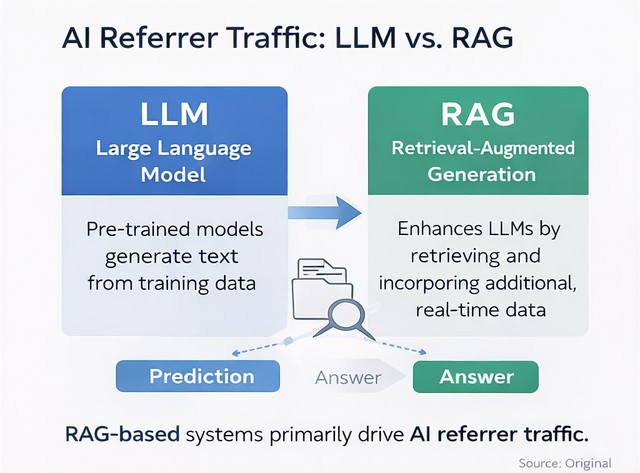
LLMs generate answers from training data.
RAG systems retrieve real-time sources before answering.
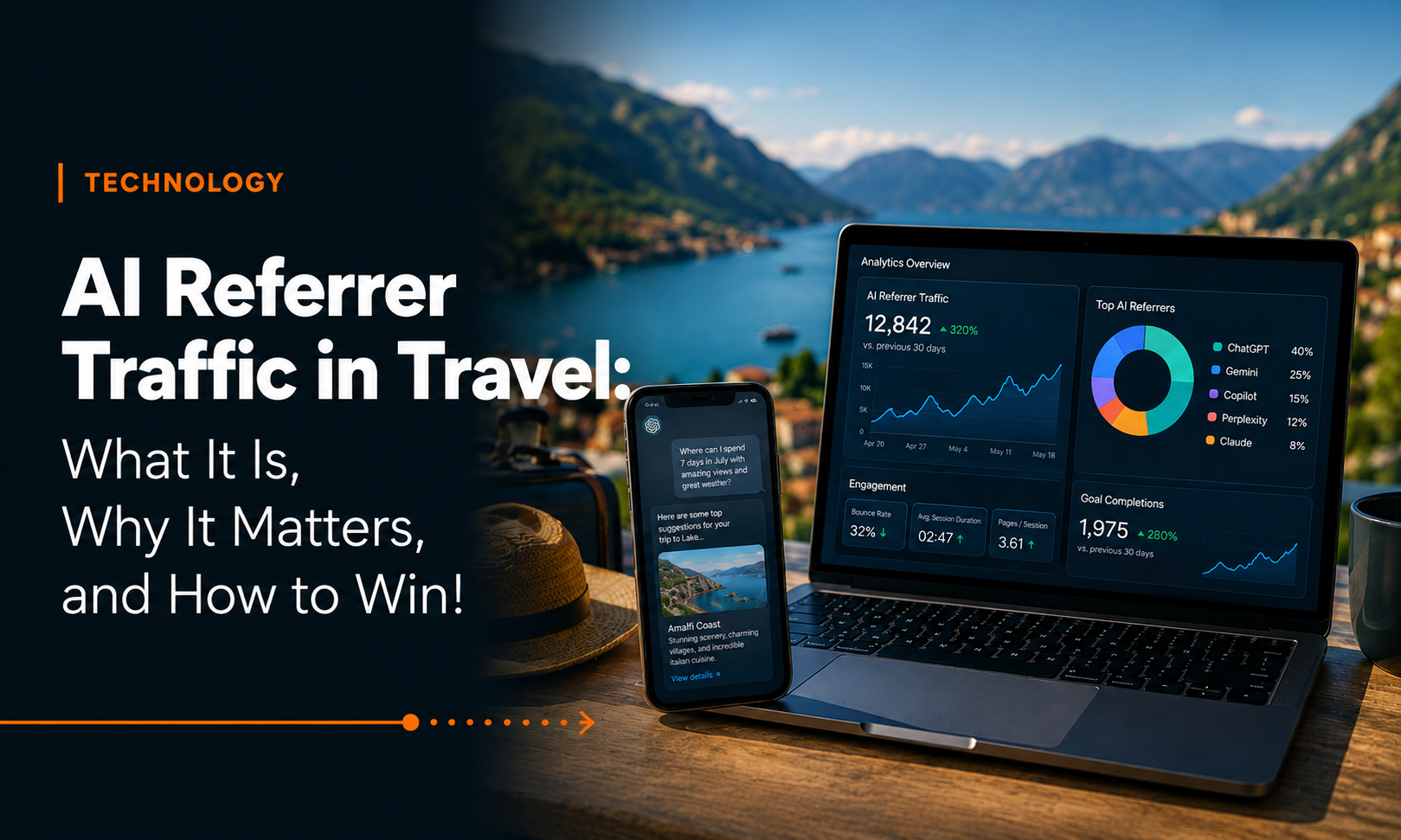
AI referrer traffic is driven by RAG
Meaning:
- You must be retrievable
- You must be trusted
- You must be citable
2. Study context
Thanks to Similarweb for sharing US market insights.
The US is a leading indicator for Europe—and Germany.
3. The modern travel ecosystem
- Platforms dominate discovery
- Brands dominate fulfillment
- AI sits in between
Visibility is dynamically assembled per query
4. The shift: keywords ? intent
SEO:
- Short queries
- Rankings
AI:
- Long prompts
- Answers
- Traffic now comes from intent resolution
5. What AI top achievers do
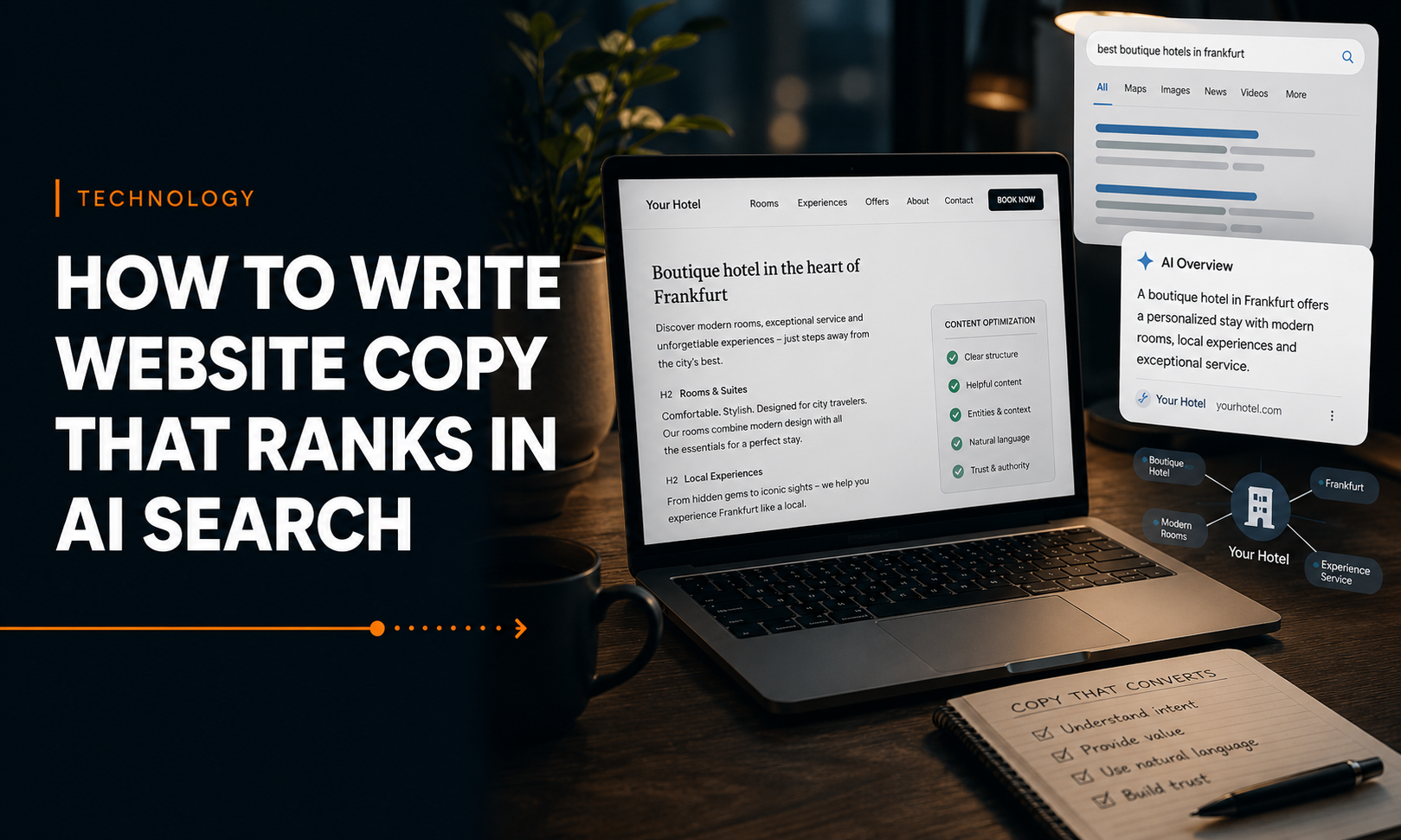
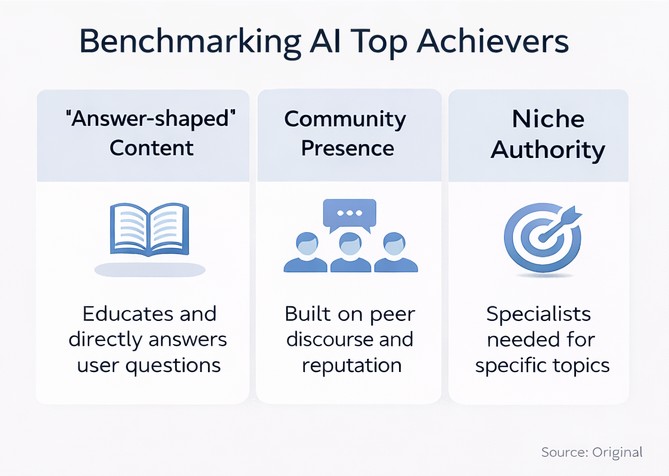
- Answer questions directly
- Build trust via community
- Focus on niche expertise
6. German market projections
Germany combines:
- High digital booking penetration
- Strong travel demand
- Low AI usage (today)
That creates a high-growth adoption curve
Projection 1: AI shapes consideration first
AI influences:
- Destination choice
- Hotel selection
- Planning
Not necessarily booking (yet)
Projection 2: Visibility shifts to AI-readable brands
Winning brands have:
- Reviews
- Mentions
- Structured content
- Platform presence
Projection 3: German long-tail = biggest opportunity
Example queries:
- “Wellness hotels Bavaria 3-day spa weekend”
- “Family hotels Baltic Sea train access”
Underdeveloped = opportunity
Projection 4: Everything converges
Winning requires:
- SEO
- GEO
- PR
- Reviews
- Platform strategy
7. Real example: top-tier hotel brands
Consider global premium brands operating in Germany:
- Marriott International
- Hilton Worldwide
- Hyatt Hotels Corporation
These brands excel at:
- Brand recognition
- Direct bookings
- Loyalty ecosystems
However, in AI-generated answers they are often:
- Referenced less frequently than OTAs
- Outranked by review-rich sources
- Missing in comparison-style responses
Why?
AI systems prioritize:
- Breadth (aggregators)
- Trust (reviews)
- Structure (data)
Strategic implication
Even premium hotel brands must:
- Build answer-level content
- Strengthen third-party presence
- Ensure data accessibility
8. Why SEO and GEO must work together
SEO
- Rankings
- Traffic
GEO
- Citations
- AI inclusion
Requires:
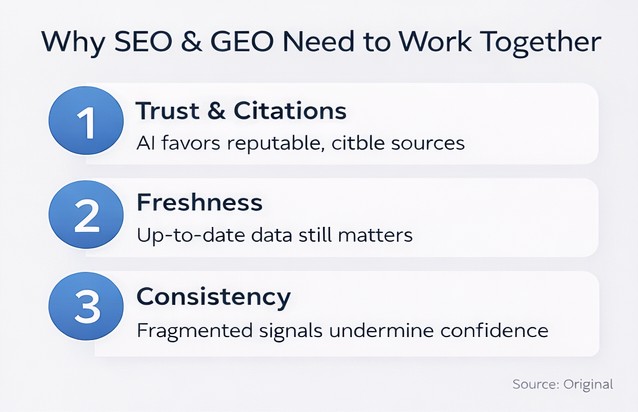
- Trust
- Freshness
- Consistency
- Integration
9. Immediate implications
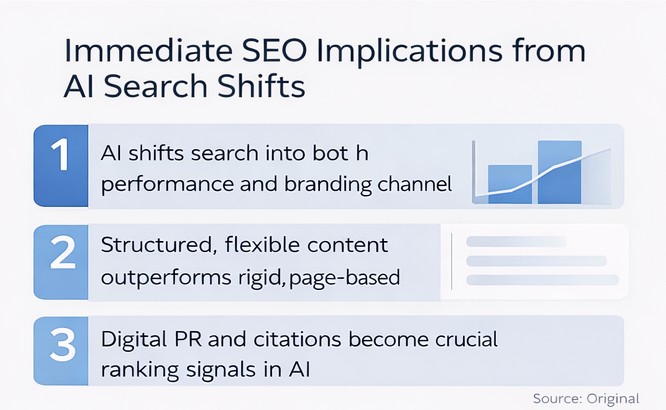
- Search = branding + performance
- Content must be modular
- PR becomes critical
10. What brands must do
- Play to strengths
- Build community
- Create quotable content
- Continuously adapt
Conclusion
AI changes:
- Ranking ? recommendation
- Keywords ? intent
- Pages ? answers
The winners are trusted sources—not just visible brands
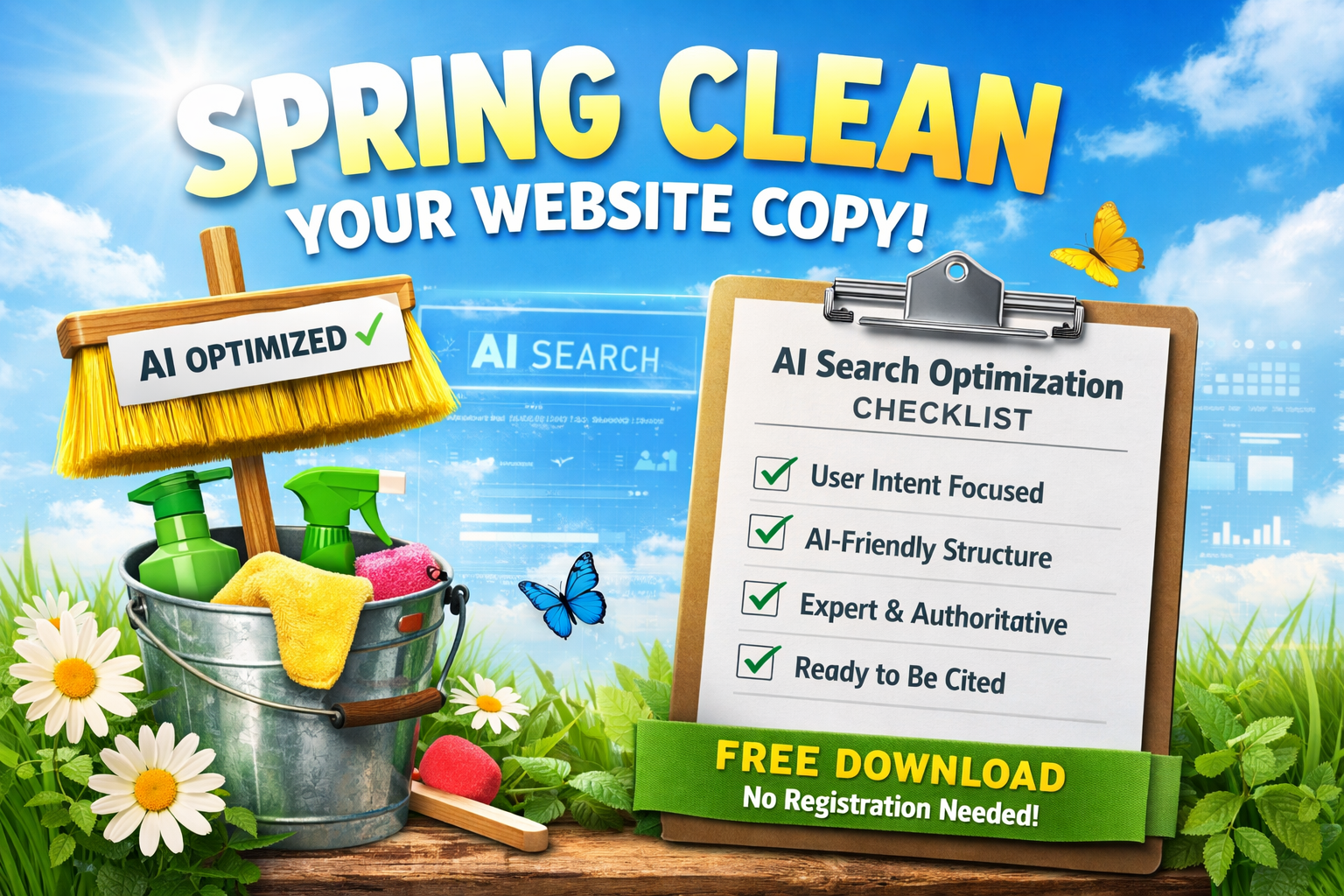
Download this checklist as a PDF: