

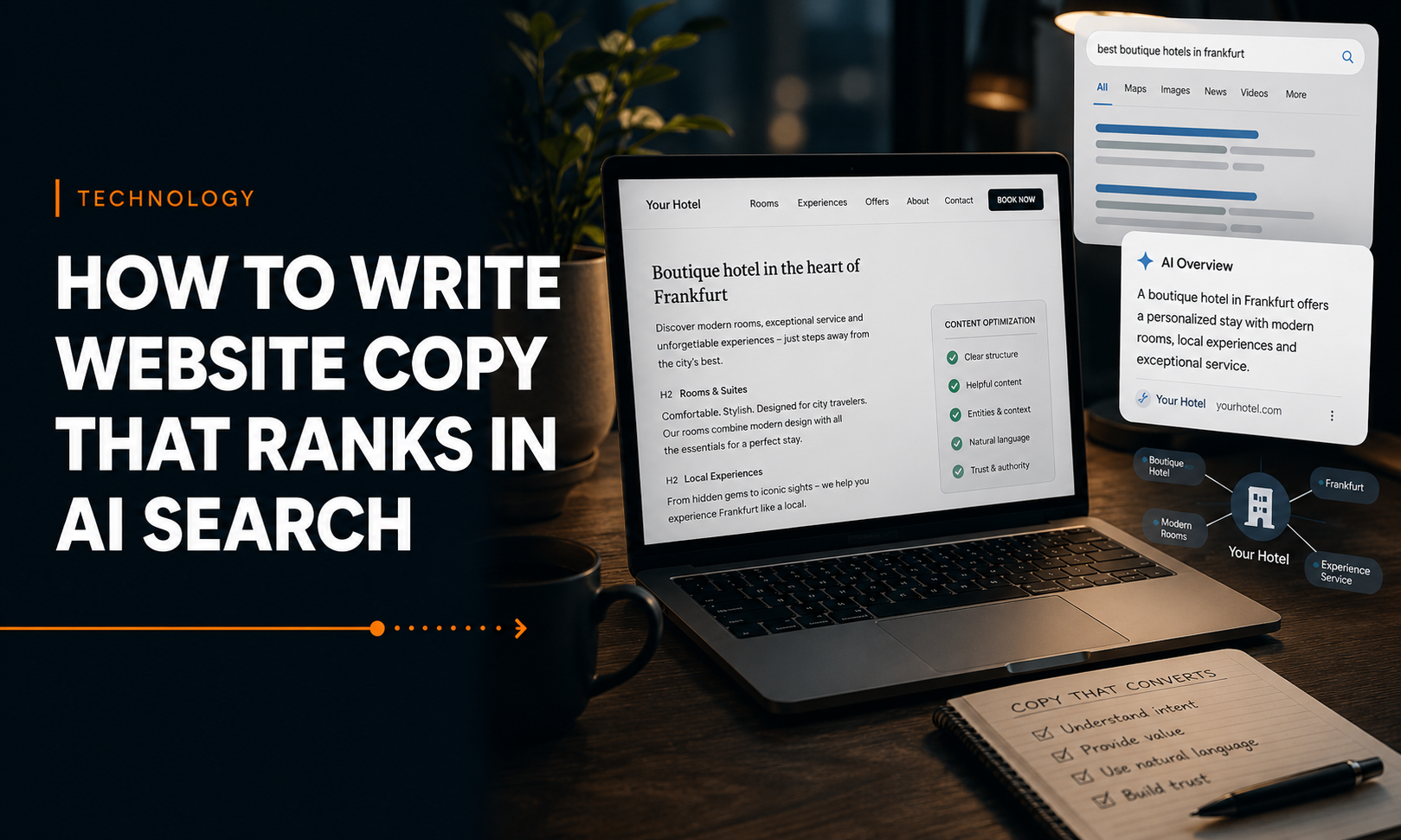
With AI, search has changed.
We are no longer optimizing only for blue links. With AI-driven search experiences like Google’s AI-generated summaries powered by Gemini, content is no longer just ranked — it is extracted, summarized, and cited.
If your content isn’t structured for AI visibility, you risk becoming invisible.
The Shift: From Ranking Pages to Training Answers
Traditional SEO focused on:
- Keyword density
- Backlinks
- Metadata
- Technical optimization
Those still matter.
But AI search now prioritizes:
- Clear intent matching
- Structured, extractable content
- Semantic depth
- Authority and verifiable signals
AI systems don’t just “rank” your page. They:
- Scan it
- Extract structured insights
- Summarize key passages
- Decide whether to cite it as a source
That changes how we write.
What AI-Optimized Copy Looks Like
1. Clear Intent Alignment
Answer the primary question early.
State the problem and solution directly.
2. Structured Formatting
AI prefers:
- Headings (H2, H3)
- Bullet lists
- Short paragraphs
- FAQ blocks
Structure increases extractability.
3. Semantic Coverage
Don’t just mention a keyword.
Cover the topic comprehensively:
- Define terms
- Add related subtopics
- Include comparisons
- Provide step-by-step breakdowns
4. Authority Signals
AI systems are more likely to cite:
- Original data
- Expert insights
- Clear examples
- Transparent sourcing
Generic content gets ignored.
The New SEO Formula
Clarity + Structure + Authority + Intent Alignment = AI Visibility
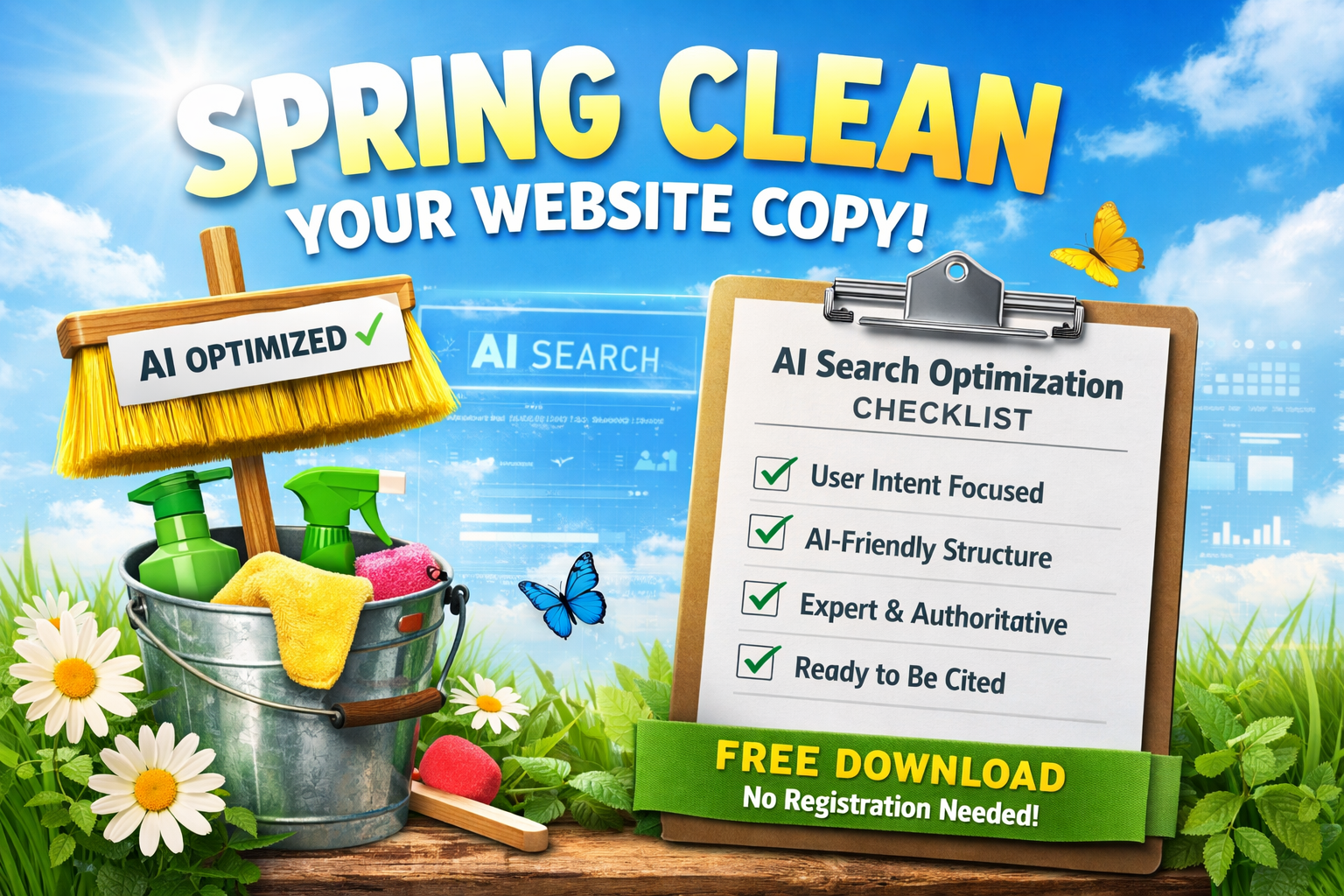
That’s why we created a practical one-page checklist you can use before publishing any piece of content.
Download the free AI Search Optimization Check Sheet above and apply it to your next page.
The brands that adapt their content strategy now will dominate AI-powered discovery in the next 3–5 years.