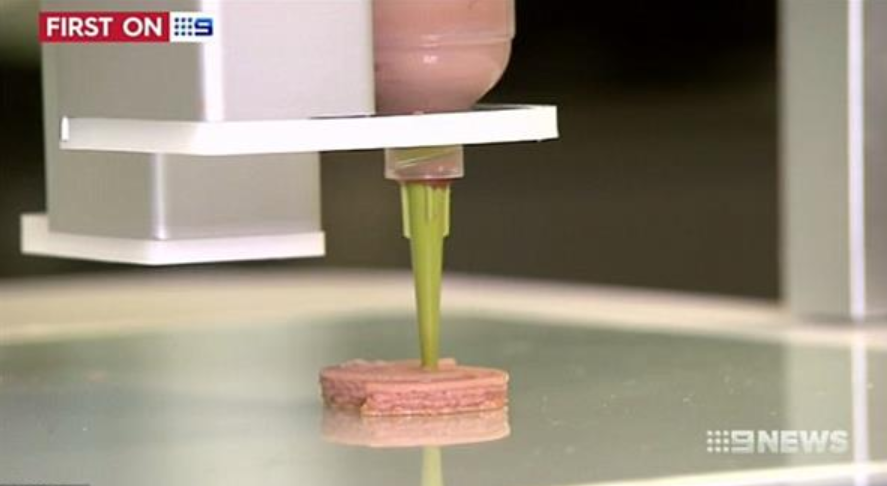

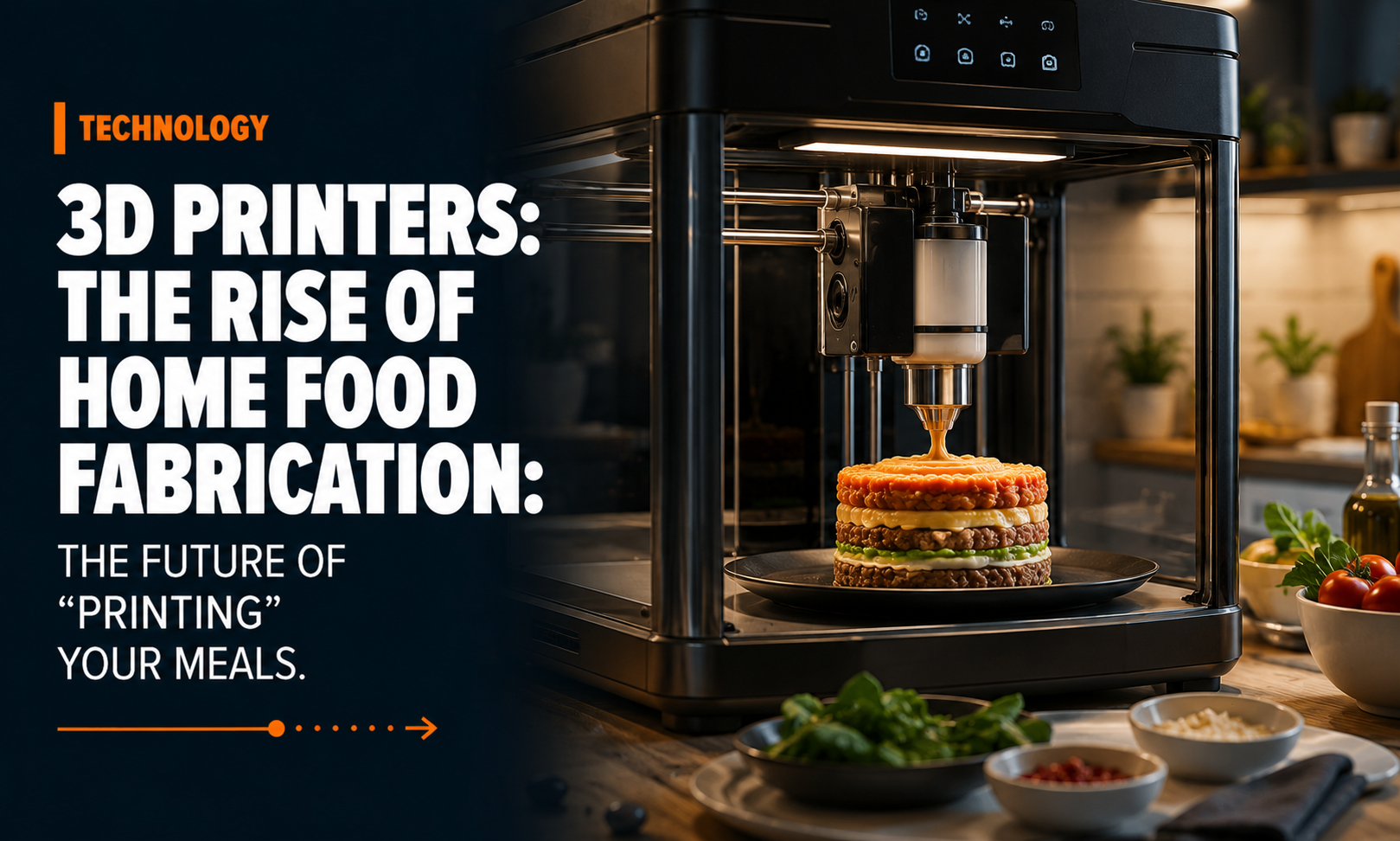
3D printers are only at the beginning of their journey. Today they create prototypes, tools, parts, and even basic edible shapes — but in the future, they will become as common as microwaves, ovens, or refrigerators. Imagine opening your kitchen cabinet in 2035 and finding a sleek, beautifully designed appliance once known as a “3D food printer,” now rebranded with a warm, consumer-friendly name like MyEarthFood (MEF).
This won’t be just another gadget. It will be a household food factory.
Instead of extruding plastic, it will build the very meat on your plate — fresh, customized, and produced at home on demand. The same extrusion principles used in food factories for decades (like in surimi production) will evolve into an accessible, sophisticated system capable of creating realistic, protein-based textures that mimic chicken, fish, and more.
How It Works: Cartridges, Cooling, and Culinary Creativity
Your “home farm” device will accept a set of smart cartridges:
- one filled with natural plant proteins,
- one with flavorful oils,
- and one with spices and aromatics.
Together, these ingredients become the building blocks of entirely new food compositions. The machine will replicate fibers, grain orientation, tenderness, juiciness, and even marbling — all digitally controlled. Want a salmon-like texture for tonight’s dinner? Or chicken-style strips for the BBQ? Simply choose the profile.
A refrigeration unit built into the device ensures the freshly produced “meat” remains chilled once it’s done. Just open the compartment, take out the portion, and toss it straight onto your grill.
Cooking Included: The All-in-One Meal Generator
Future versions of MEF won’t just create the meat — they’ll also cook it. With an integrated heating and microwave module, the process will be seamless:
- minutes to form the meat,
- minutes to cook it,
- minutes later, dinner is ready.
Everything happens in the same sleek box, with minimal waste, minimal cleanup, and maximum personalization.
A Breakthrough for a Crowded Planet
As global populations rise and demand for traditional animal meat surges, the pressure on land, water, and resources grows unsustainably. A household device capable of producing high-quality, protein-rich “meat” from plants could become a major breakthrough.
This kind of at-home food fabrication could:
- reduce reliance on industrial livestock farming,
- lower emissions and water consumption,
- minimize transport and cold-chain logistics,
- cut down packaging waste,
- and make nutritious food more accessible everywhere — urban apartments, remote regions, or even off-grid living.
In the same way refrigerators revolutionized food preservation and microwaves transformed convenience cooking, home protein fabrication could redefine how we feed ourselves.
What sounds futuristic today may soon become as familiar as plugging in your coffee machine — a daily ritual powered by technology that quietly reshapes the world.