

Food as Culture, Craft, and Conversation
Food has always been far more than sustenance. Across cultures, it stands as a marker of identity, a form of expression, and one of the oldest ways humans communicate with each other. From the first taste on the palate to the visual impact of a carefully composed plate, food engages us on multiple levels — intellectually, emotionally, and sensorially.
Today, as interest in gastronomy grows, we’re rediscovering an essential truth: food tells stories. It reflects history, geography, and tradition. It reveals the skills of those who produce it and the values of those who prepare it. And it remains one of the few mediums where art, culture, and everyday life intersect so seamlessly.
Where Culinary Art Begins
While the term “culinary arts” often evokes images of white tablecloth restaurants and intricately plated dishes, the heart of food culture lies in something far simpler: craft. The artistry emerges in the hands of the baker shaping dough at dawn, the farmer selecting harvest-ready produce, or the home cook who understands exactly how much seasoning a dish needs — not by measurement, but by instinct.
Food stimulates the senses in ways few other art forms can. The colours of fresh vegetables, the scent of herbs crushed between fingertips, the sound of a pan hitting high heat — these details form a language of their own, one spoken without words yet universally understood.
The Power of Simplicity: When Less Delivers More
In a world increasingly drawn to elaborate presentations and trend-driven gastronomy, it’s worth remembering that exceptional food doesn’t always require theatrics. Sometimes the most memorable culinary experiences are also the most uncomplicated.
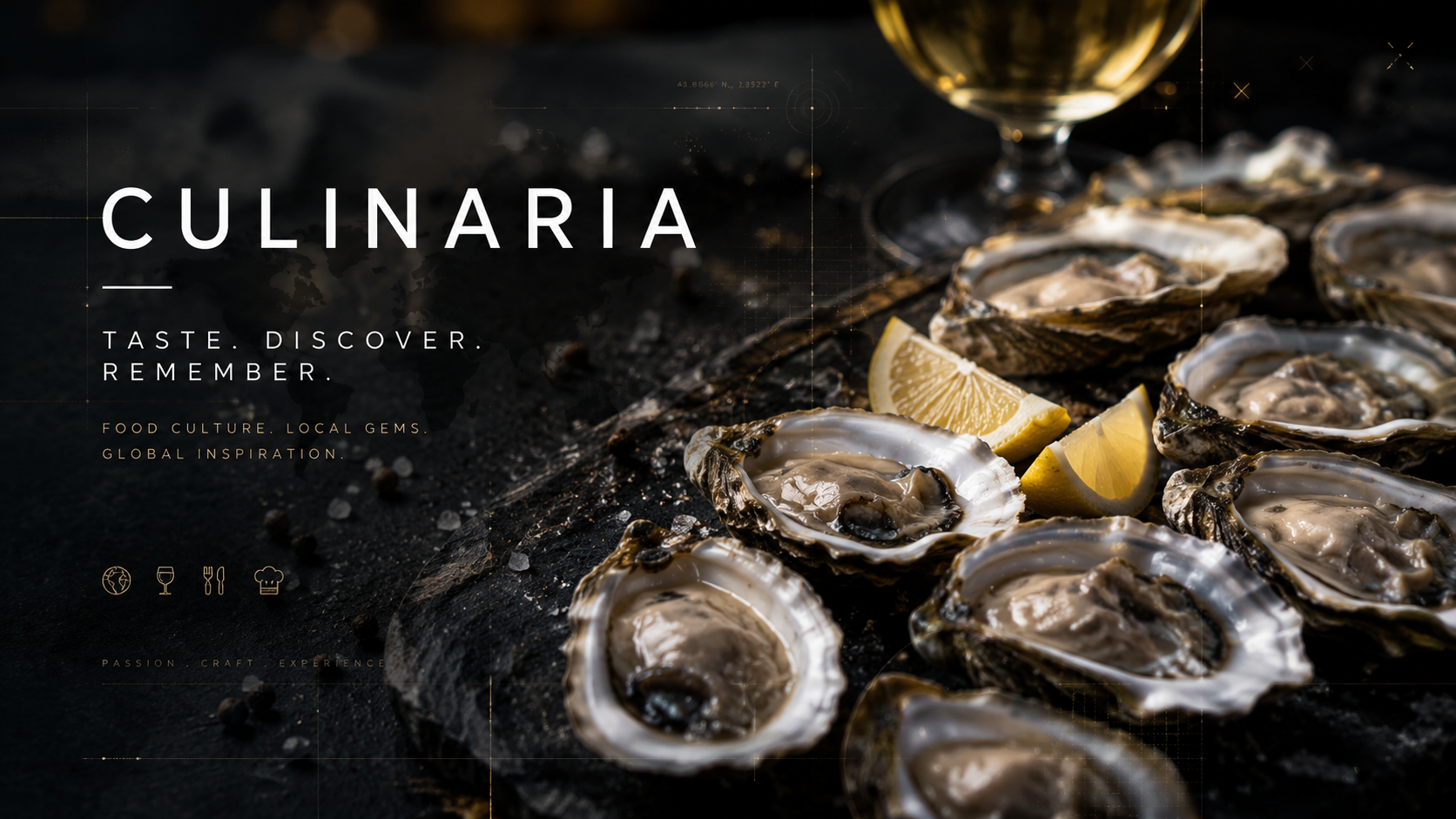
Take the example of a fresh oyster enjoyed on the coastline where it was harvested. No sauces, no embellishments — just a clean, saline burst of flavour that reflects the environment it came from. Sourced directly from a local oyster farmer, such a tasting becomes more than a bite; it becomes an encounter with place, craft, and authenticity.
This is where food’s quiet power lies: in its ability to deliver depth without excess.
Local Producers: Keepers of Tradition and Taste
Behind every ingredient is a chain of people whose knowledge and skill shape its final flavour. Local producers, in particular, play an increasingly vital role in preserving culinary heritage and promoting sustainable food systems. Their work connects consumers to the origins of their meals, offering transparency, seasonality, and a reminder of the human effort behind each product.
Whether it’s oysters pulled from a nearby bay, vegetables grown in regional soil, or cheeses matured by a small-scale artisan, these foods carry a sense of place that industrial production can’t replicate. Supporting them isn’t just beneficial for local economies — it enriches our culinary landscape.
Food as a Medium of Communication
Food communicates in ways that transcend language. It conveys hospitality, identity, and intention. A shared meal fosters connection; a passed-down recipe preserves family history; a regional dish tells the story of a community.
As consumers, we are part of this dialogue. Every time we choose what to cook, order, or enjoy, we participate in a cultural exchange. Food becomes both the message and the medium.
A Call to Taste More Thoughtfully
In an era of fast-paced consumption and global supply chains, taking a moment to appreciate the origins and artistry of what we eat feels more important than ever. Whether it’s a carefully plated dish or a simple ingredient enjoyed in its purest form, food invites us to slow down, observe, and engage.
It encourages us to ask questions:
Where does this come from?
Who produced it?
What story does it tell?
The answers often lead to richer experiences — and sometimes, to extraordinary flavours hiding behind deceptively simple presentations.
Because at its core, food remains what it has always been: a reflection of culture, a form of creative expression, and one of the most powerful ways we connect with each other and the world around us.

How to Make a Volcano Griesflammerie with Kids
Fritto Misto: The Story Behind Italy’s Crispy Coastal Classic
The Charm of the Swabian Dinnete

Rainbow Snack Plate for Kids

Sausage Crabs — The Cutest Puff Pastry Snack You’ll Ever Make
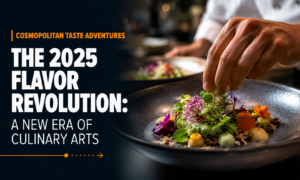
The 2025 Flavor Revolution: A New Era of Culinary Arts
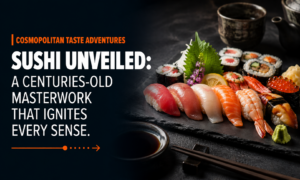
Sushi Unveiled: A Centuries-Old Masterwork That Ignites Every Sense.
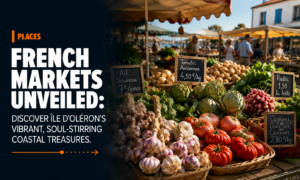
French Markets Unveiled: Discover Île d’Oléron’s Vibrant, Soul-Stirring Coastal Treasures.
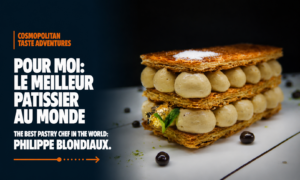
Pour moi: Le meilleur Patissier au monde / the best pastry chef in the world