
NFC in 2026: The Invisible Bridge Between Physical and Digital Advertising
First things first:
Do you really know what NFC is — and more importantly, why it matters even more in 2026?
What is NFC?
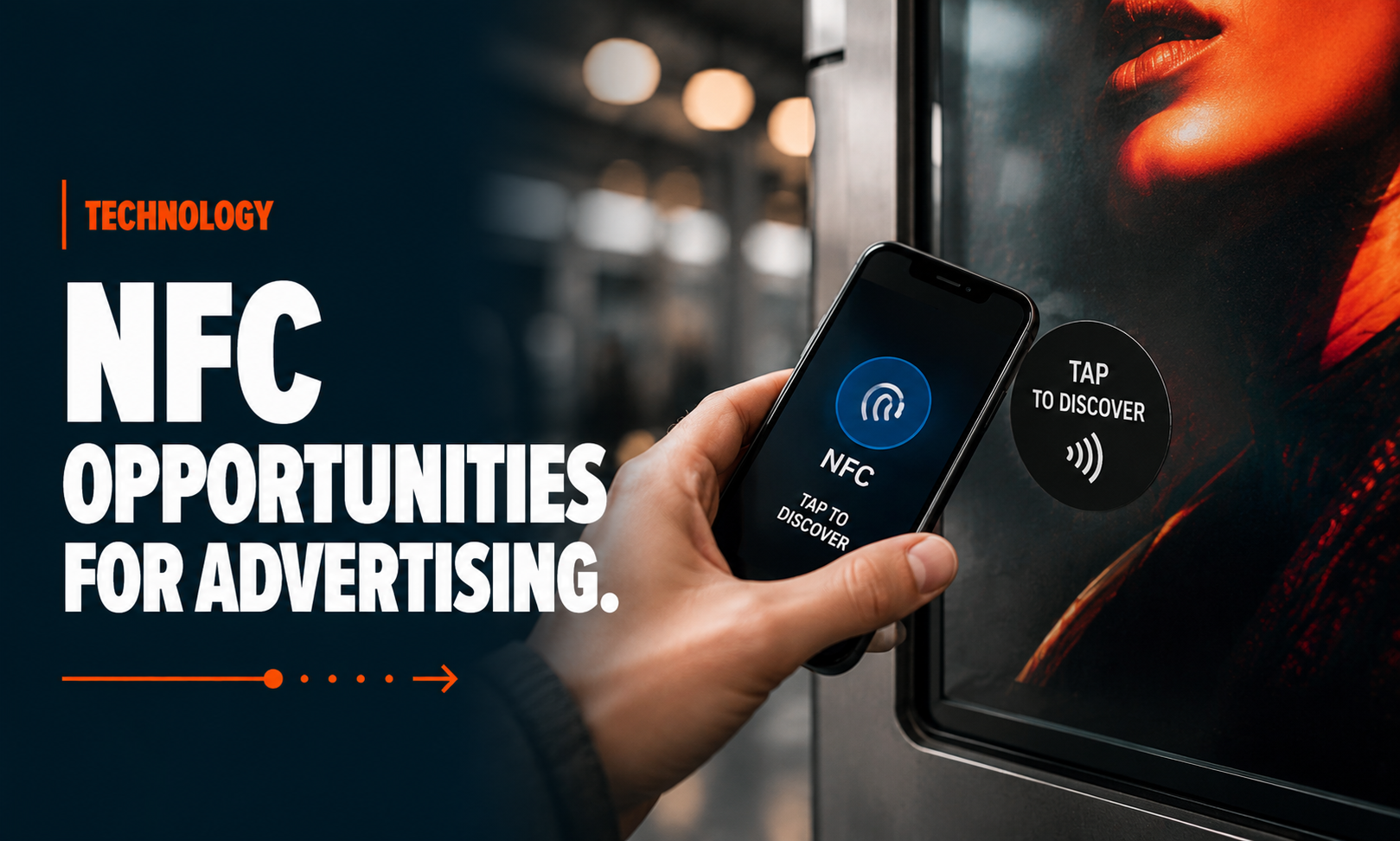
NFC (Near Field Communication) is a short-range wireless technology that allows two devices to exchange data when placed very close together (usually within 4 cm).
Unlike Bluetooth, NFC isn’t built for long sessions. It’s built for:
- instant interaction
- zero-friction activation
- contextual engagement
- micro-transactions
That’s what makes it so powerful.
NFC vs Bluetooth — The Real Difference
| NFC | Bluetooth |
|---|---|
| Tap-based | Distance-based |
| ~4 cm range | 5–100 meters |
| Instant pairing | Requires discovery/pairing |
| Ultra low power | Higher energy usage |
| Ideal for trigger actions | Ideal for continuous data transfer |
| Often passive | Always active |
Simple:
Bluetooth = conversation
NFC = trigger
That distinction is huge.
Why NFC matters more in 2026
Consumer behavior changed.
People now expect:
- one tap access
- no QR camera opening
- no app download
- no URL typing
- instant personalized content
NFC removes friction better than QR in many environments.
The hidden advantage:
intent quality
A tap is deliberate.
This makes NFC interactions often more valuable than passive impressions.
The big shift: NFC + AI + Personalization
This is where 2026 gets interesting.
NFC tags are no longer static.
With AI backends, a single tag can now trigger:
- dynamic content
- personalized offers
- localized campaigns
- weather-based creatives
- CRM-triggered journeys
- language-specific experiences
Same physical tag. Infinite digital outcomes.
That changes everything.
Advertising opportunities in 2026
1. Smart OOH (the obvious evolution)
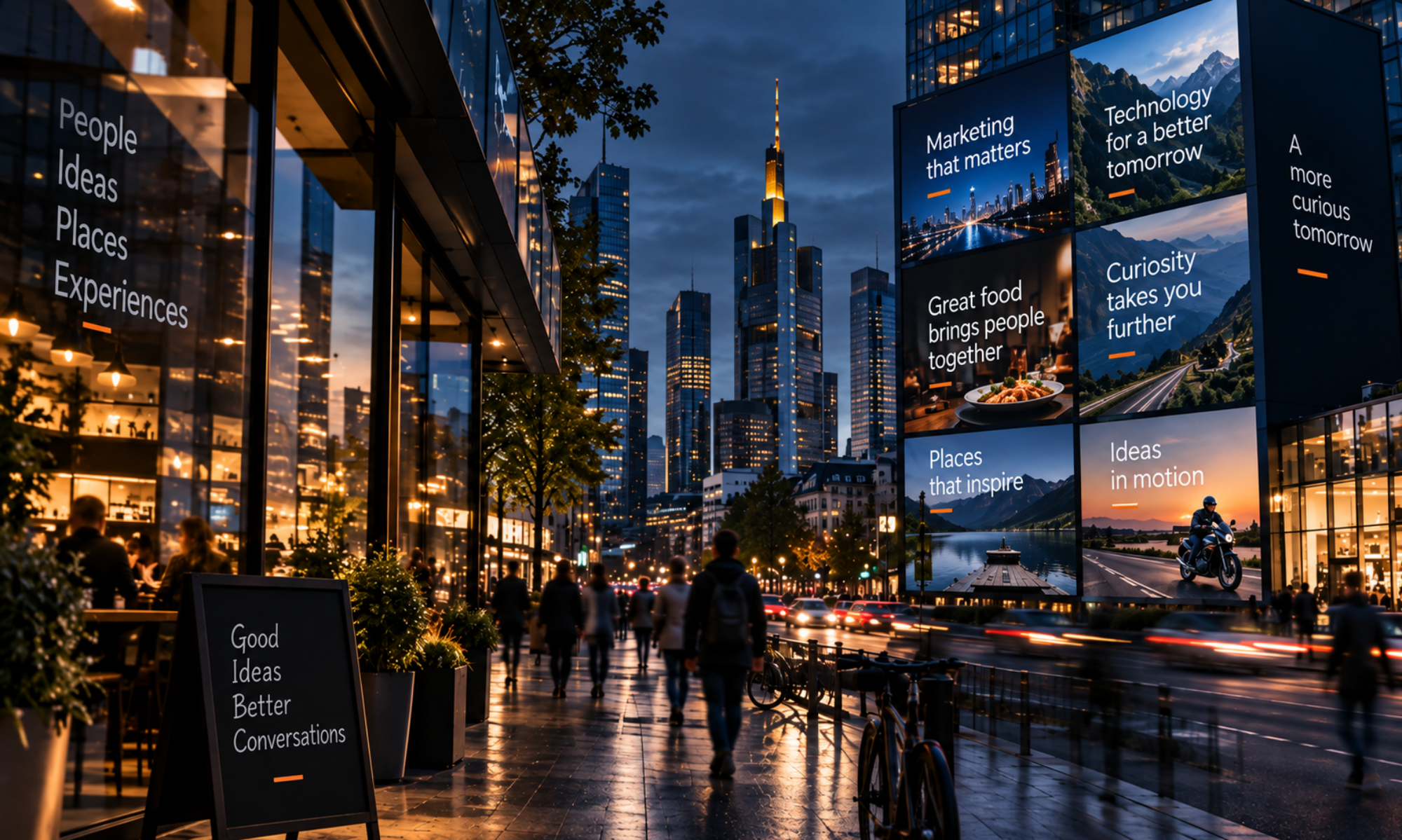
Billboards become interactive media layers.
Tap to:
- save an offer
- join a waitlist
- unlock exclusive content
- book instantly
- connect to AR
Especially strong for:
luxury, travel, automotive, events.
2. Retail windows after closing hours
Dead storefronts become conversion channels.
Tap the window:
- browse products
- reserve items
- check inventory
- chat with AI sales assistant
24/7 commerce.
3. Hospitality (huge potential)
Your hotel elevator example is perfect.
Expand it:
Hotel room
Tap bedside NFC:
- room service
- spa booking
- late checkout
- pillow menu
- smart concierge
Restaurant table
Tap menu stand:
- chef stories
- allergen info
- wine pairing
- instant payment
Lobby art
Tap artwork:
- artist background
- NFT drops
- event invitations
Hospitality loves frictionless moments.
4. Product packaging
This is exploding.
Imagine:
wine bottle ? tap ? vineyard story
perfume box ? tap ? brand film
food product ? tap ? recipe
luxury watch ? tap ? authenticity certificate
Packaging becomes media.
5. Events & trade fairs
Massive.
Badges already use NFC — but marketing underuses it.
Ideas:
- tap booths for instant lead capture
- personalized decks
- live agenda updates
- gamification
- AI networking recommendations
ITB, IAA, CES, DMEXCO = perfect.
6. Print is alive again
Magazines.
Business cards.
Brochures.
Direct mail.
One tap turns dead print into measurable digital interaction.
That’s huge for attribution.
7. Automotive
Think beyond the car.
NFC in dealership posters:
Tap to:
- configure vehicle
- book test drive
- compare financing
- unlock immersive AR model
High intent. Low friction.
Perfect.
8. Tourism & destination marketing
Brilliant for your content universe.
At destinations:
Tap:
- historical stories
- local recommendations
- hidden spots
- gastronomy guides
- live weather
- emergency info
Physical exploration meets digital depth.
The underrated power: analytics
NFC creates physical-to-digital attribution:
You can measure:
- where
- when
- how often
- conversion rate
- dwell-to-tap ratio
That’s gold for marketers.
Security in 2026
Still relevant.
But major improvements:
- tokenization
- rolling encryption
- secure elements
- dynamic URLs
- zero-trust authentication
The old “easy to sniff” problem still exists — but mainly in poorly configured environments.
For marketing use cases:
risk is relatively low.
Payments are far more secure now.