The Charm of the Swabian Dinnete

The charm of the swabian dinnete

There are dishes that feed us, and dishes that connect us โ€” and the Dinnete is unmistakably the latter. This rustic Swabian flatbread, with its crisp edges, creamy topping, and comforting aroma, is woven into the everyday life and heritage of southern Germany. What began as a simple, practical way to use up bread dough has become a culinary symbol of warmth, family, and tradition.

The Dinnete is the kind of food that doesnโ€™t need a grand presentation. Itโ€™s the food you bake on market days, the treat you look forward to at village festivals, and the dish that transports you instantly back to a grandmotherโ€™s kitchen with its wood-fired oven and slow-rising dough. Its charm lies in its simplicity โ€” a handcrafted dough, a topping of cream, onions, bacon, or potatoes, and the gentle heat of a hot oven turning it into something deeply satisfying.

Whether you’re tasting it for the first time or rediscovering it from childhood memories, the Dinnete reminds us of the beauty of traditional cooking: humble ingredients, honest flavors, and a dish meant to be shared.
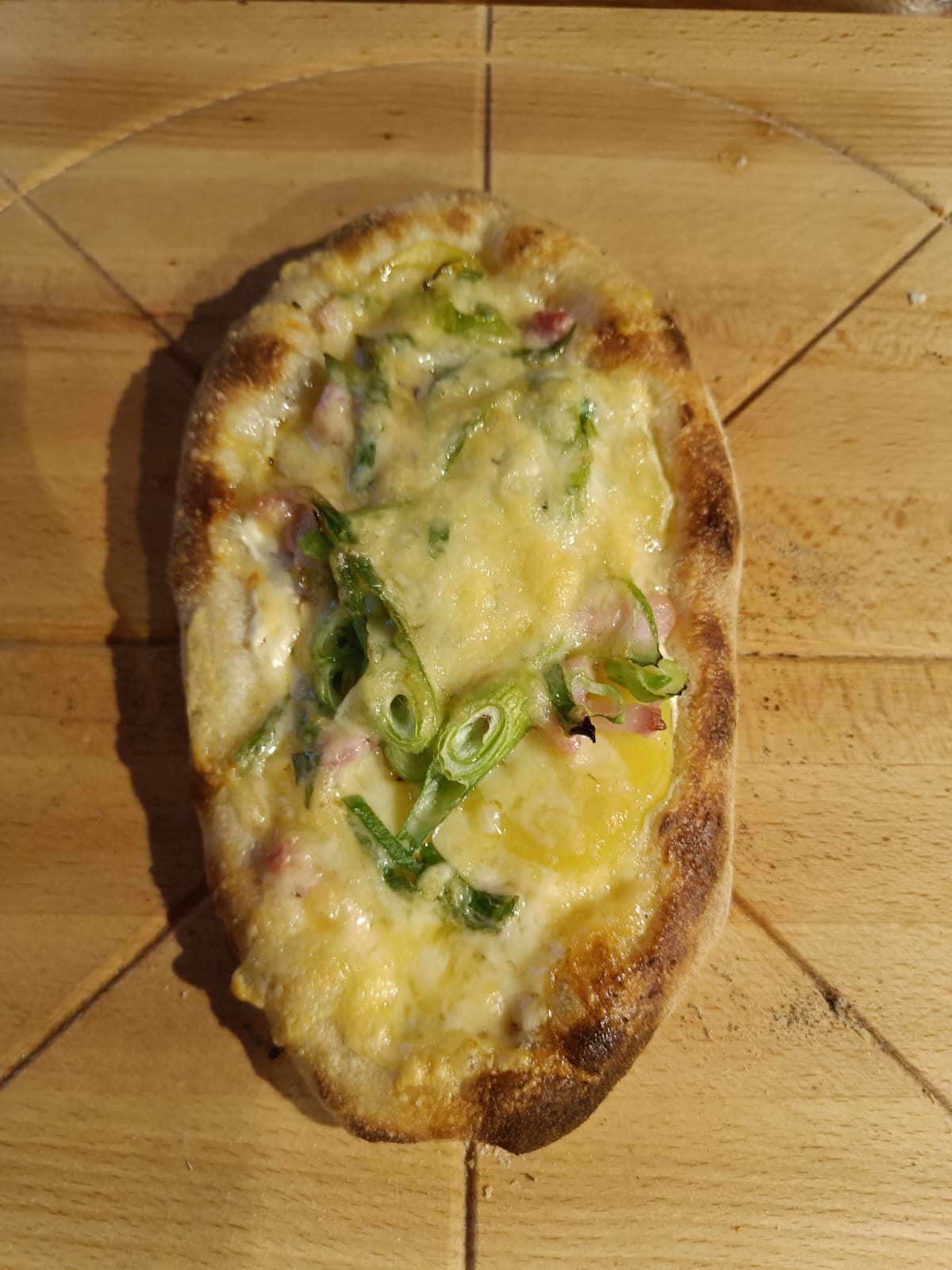
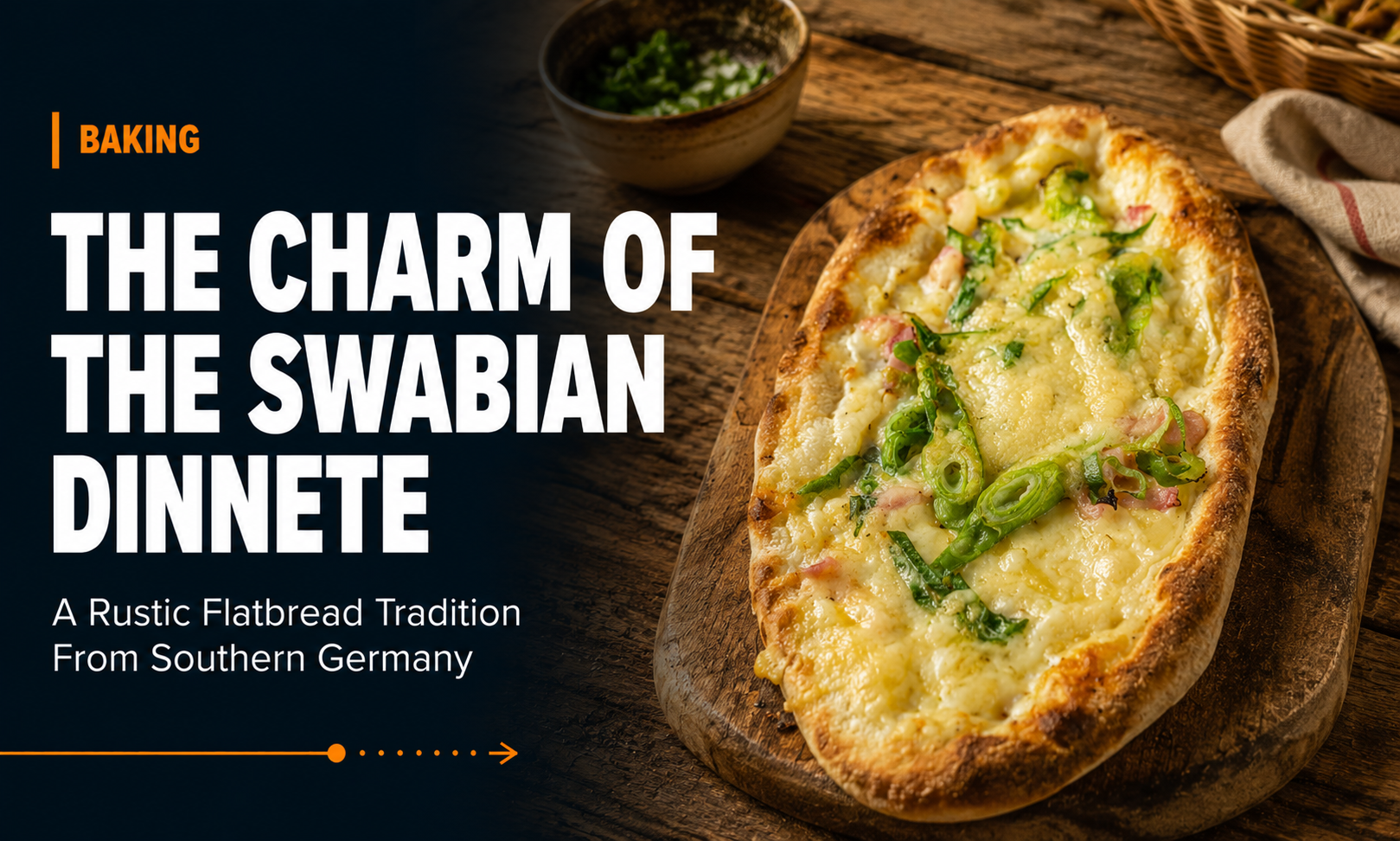
Swabian Dinette
Swabian Dinette

A Short History of the Dinnete

The Dinnete (also spelled Dinnete, Dinnele, Dรผnnele, or Dinette depending on the region) originates from Swabia, a cultural region in southwestern Germany covering parts of Baden-Wรผrttemberg and Bavaria. Its roots reach back to centuries-old baking traditions, when families baked bread just once a week.

Before placing the large loaves into the wood-fired oven, bakers tested the oven temperature by baking small pieces of dough topped with cream, onions, or potatoes. These โ€œtest breadsโ€ soon became beloved snacks of their own โ€” the early ancestors of todayโ€™s Dinnete.

Over time, the dish spread across rural villages and market towns, especially in regions like the Swabian Alb, Oberschwaben, and the Allgรคu. Each area developed its own variation in shape, topping, and name. Market stalls and bakeries started selling Dinnete on festival days and weekly markets, turning it into a true regional specialty.

Today, the Dinnete continues to be a highlight at Swabian Christmas markets, village fairs, and harvest festivals, and itโ€™s increasingly appreciated in home kitchens across Germany and beyond. Despite modern adaptations, the essence of the dish remains unchanged: handmade, hearty, and deeply rooted in tradition.


Classic Swabian Dinnete Recipe

(Yields 4 Dinnete โ€“ ideal for 4โ€“6 people)

Ingredients

For the dough:

  • 300 g wheat flour (Type 550 recommended)
  • 150 g spelt flour (optional, for a nutty flavor)
  • 250โ€“300 ml lukewarm water
  • 21 g fresh yeast (or ยฝ packet dry yeast)
  • 1 tsp sugar
  • 1 tsp salt
  • 1 tbsp olive oil

For the classic savory topping:

  • 200โ€“250 g sour cream or crรจme fraรฎche
  • 1โ€“2 onions, sliced into thin rings
  • 150โ€“200 g smoked bacon cubes (can substitute pancetta)
  • Optional: 100โ€“150 g grated cheese (Emmental, Bergkรคse, or similar)
  • Salt & pepper
  • Optional spices: pinch of nutmeg, caraway seeds

Instructions

1. Prepare the dough

In a large bowl, combine the flours and salt. Dissolve the yeast and sugar in about 100 ml of the lukewarm water, then pour the mixture into a well in the center of the flour. Add the remaining water and olive oil, then knead into a smooth, elastic dough.
Cover and let it rise for about 1 hour, or until doubled in size.

2. Divide and shape

Divide the dough into 4 equal portions and shape them into balls. Let them rest for 10 minutes, then roll each piece into a thin oval or round base, about 3โ€“5 mm thick.

3. Preheat the oven

Preheat your oven to 230โ€“250ยฐC (445โ€“480ยฐF).
For the crispiest result, use a preheated pizza stone or baking steel.

4. Add the toppings

Spread a thin layer of sour cream or crรจme fraรฎche over each dough base.
Top with onion rings, bacon cubes, and optional cheese.
Season with salt, pepper, and a hint of nutmeg or caraway if desired.

5. Bake

Bake each Dinnete for 12โ€“15 minutes, or until the edges are crisp and golden and the toppings are lightly caramelized.

6. Serve hot

Dinnete tastes best straight from the oven. Serve warm as a snack, light dinner, or sharing platter with friends and family.


Optional Variations

  • Potato Dinnete (creamy, hearty, traditional)
  • Cheese & Herb Dinnete
  • Vegetarian Onion & Chive Dinnete
  • Sweet Apple & Cinnamon Dinnete
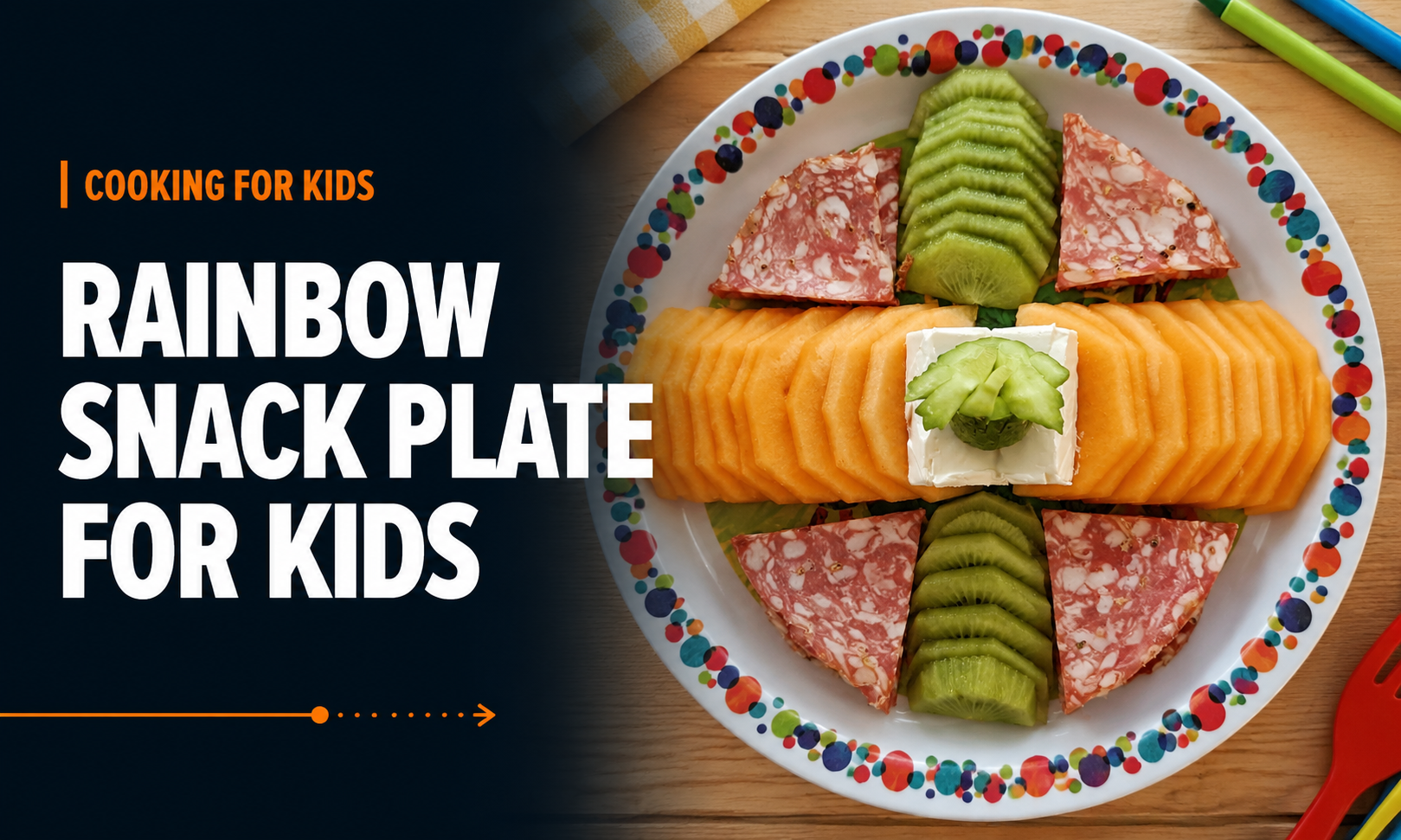
Rainbow Snack Plate for Kids

Rainbow (almost) snack plate for kids

A tasty, healthy, and super fun breakfast you can help make!

Inspiration Behind the Rainbow snack

This colorful snack plate is inspired by the idea that food can be fun, beautiful, and exciting โ€” just like a little piece of art you can eat! When kids see bright colors and playful shapes, their eyes tell their brain:
โ€œWow! This looks yummy!โ€
We call that eye-yummyness โ€” when a dish tastes good before you even take a bite.

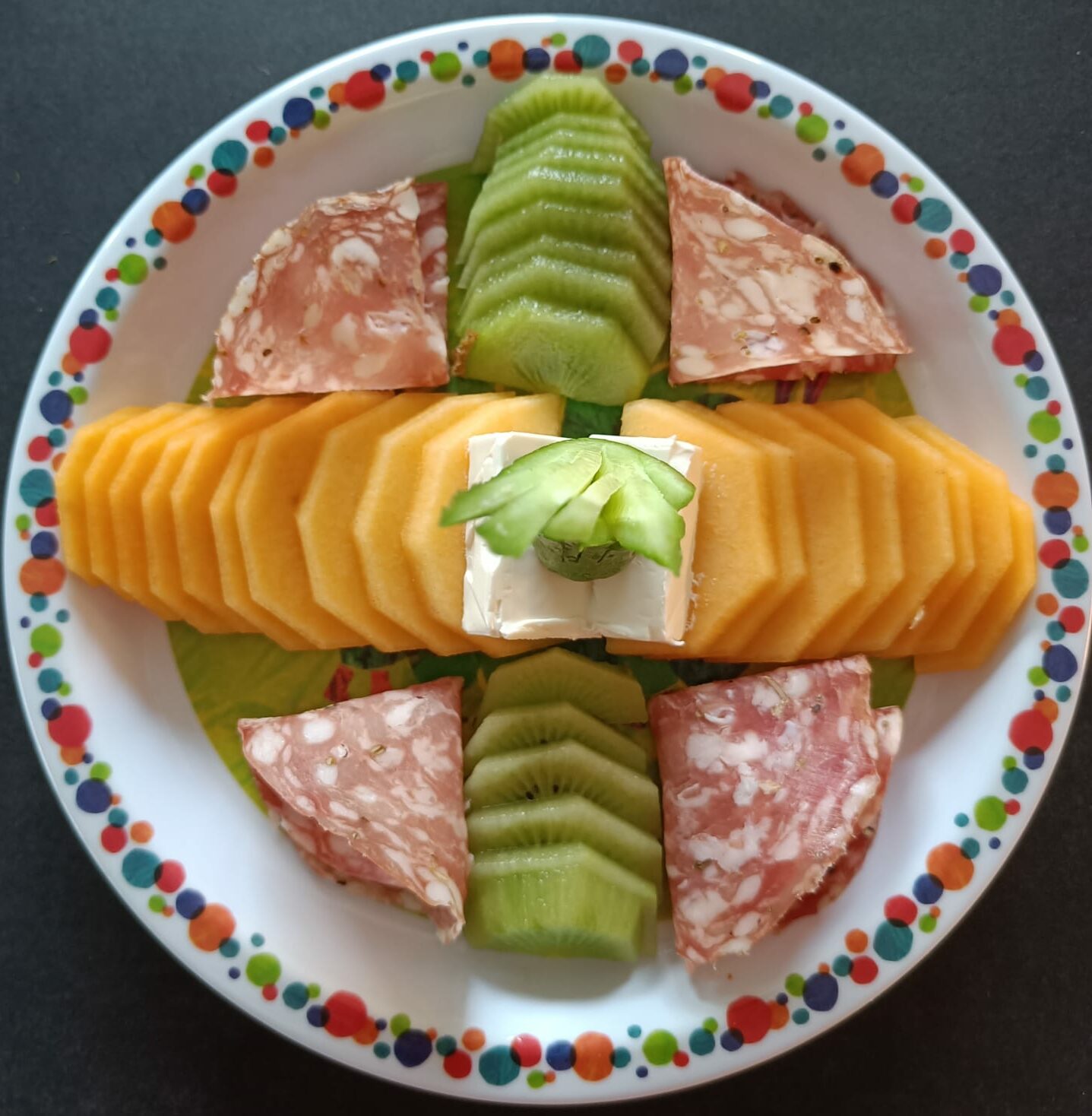
Breakfast plate for kids
Salami, Kaki, Kiwi, Cucumbers and Kiri.

Why Colors, Shapes & Textures Matter for Kids

1. Colors make food more inviting

Kids are naturally drawn to bright, cheerful colors. Vibrant orange persimmon, green kiwi, and creamy white cheese help children feel curious and excited. When food looks friendly, kids are more likely to try new flavors.

2. Fun shapes help kids explore

Cutting fruit into zig-zags, tiles, or stacking cubes gives food a playful twist. Shapes turn eating into a mini adventure โ€” โ€œWhat will this piece taste like?โ€ โ€” helping picky eaters feel more open.

3. Different textures teach kids variety

Soft kiwi, juicy persimmon, smooth cheese, and chewy salami create a little texture journey. This helps children learn how different foods feel, which builds confidence with new foods.

4. Eye-yummyness boosts healthy eating

When a plate looks exciting, kids feel proud and happy. This positive feeling makes them want to eat more fresh fruits and nutritious foods โ€” without pressure or fuss.

5. Creative food sparks imagination

Arranging food like a pattern, creature, vehicle, or landscape inspires creativity. Kids begin to see meals as something they can build and help prepare โ€” great for motor skills, curiosity, and independence.


A Simple Way to Say It to Kids

โ€œYour eyes help your tummy!
When food is colorful, funny-shaped, and pretty, your eyes say โ€˜YUM!โ€™
That makes your tummy excited to taste it!โ€

Ingredients

  • 1 ripe persimmon (or mango/peach as an alternative)
  • 2 kiwis
  • 4 slices of kid-friendly salami or turkey slices
  • 1 piece of cream cheese (or cheese cube)
  • A few thin slices of cucumber for decoration

Tools You Need

  • A small kid-safe knife
  • A plate
  • An adult helper!

How to Make It

1. Slice the Fruit

  • Peel the kiwis and cut them into little zig-zag or straight slices.
  • Slice the persimmon into thin orange โ€œtiles.โ€
    (This makes the plate look like a rainbow!)

2. Build the Shape

  • Put the kiwi slices at the top and bottom of the plate.
  • Lay the persimmon slices in a row across the middle, like a bright orange bridge.

3. Add the Salami Corners

  • Fold each salami slice and place one near each kiwi section so it looks balanced and fun.

4. Place the Cheese

  • Put a cube or slice of cream cheese right in the middle.

5. Make a Cute Decoration

  • Add some tiny cucumber slices on top of the cheeseโ€”like a little hat or flower! ?

Time to Eat!

Your snack plate is ready!
Itโ€™s colorful, fresh, sweet, salty, and creamy all in one. Perfect for breakfast or a fun afternoon snack.

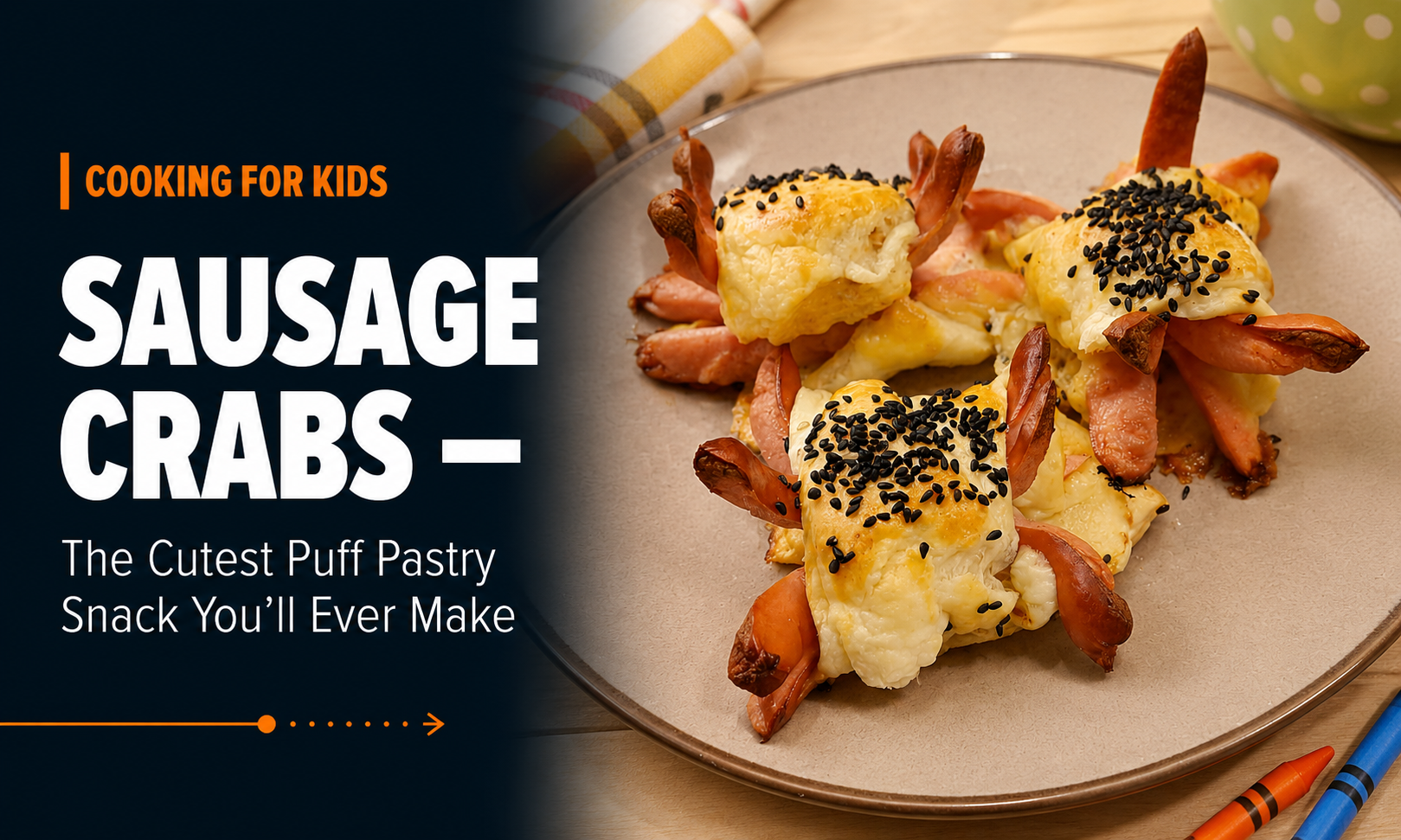
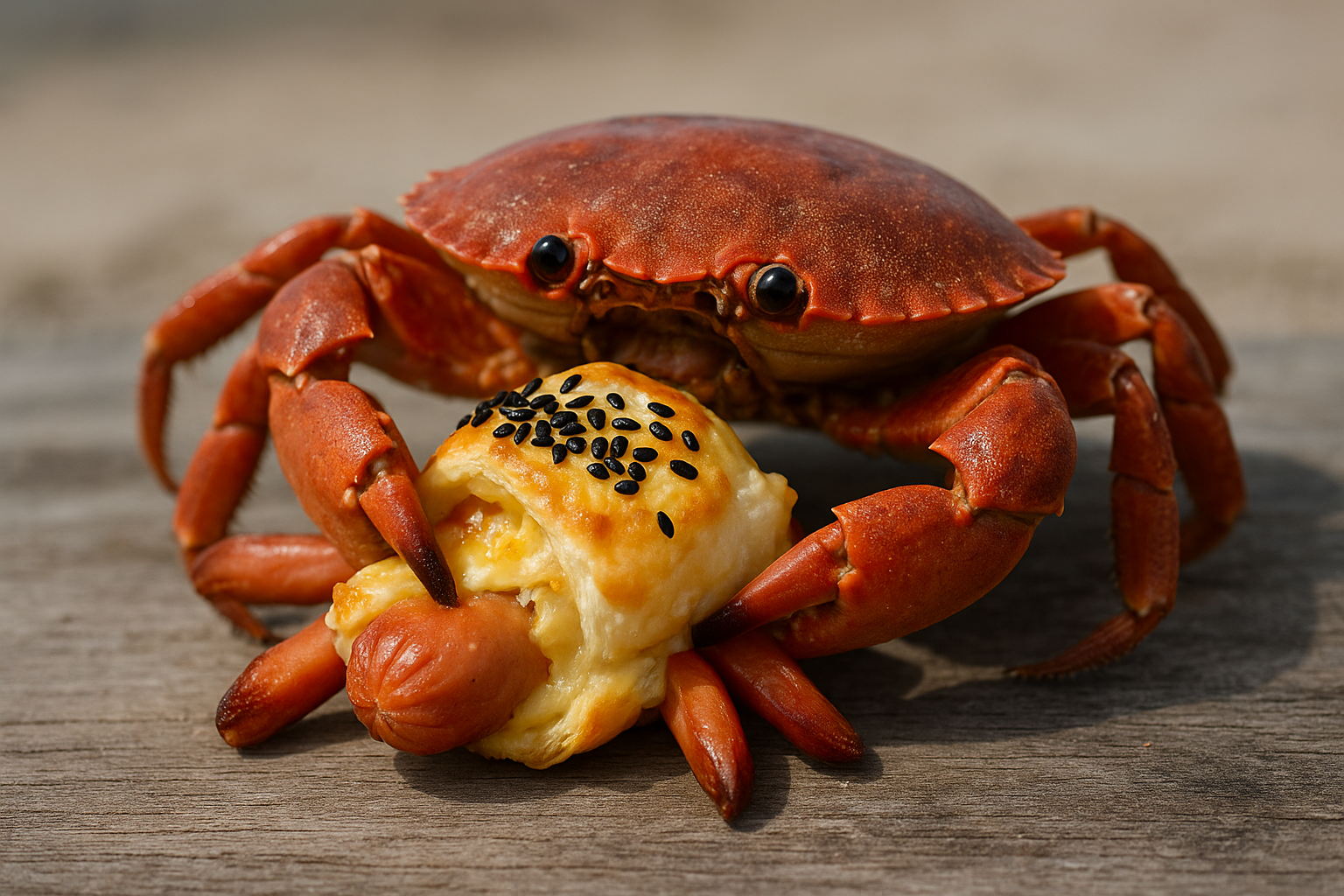
Sausage Crabs โ€” The Cutest Puff Pastry Snack Youโ€™ll Ever Make

Sausage crabs - the cutest puff pastry snack youยดll ever make

Looking for a fun, delicious, and kid-friendly kitchen project? These Sausage Crabs are the perfect mix of playful creativity and savoury comfort food.
Theyโ€™re easy to make, great for cooking with children, and guaranteed to bring smiles to the table!

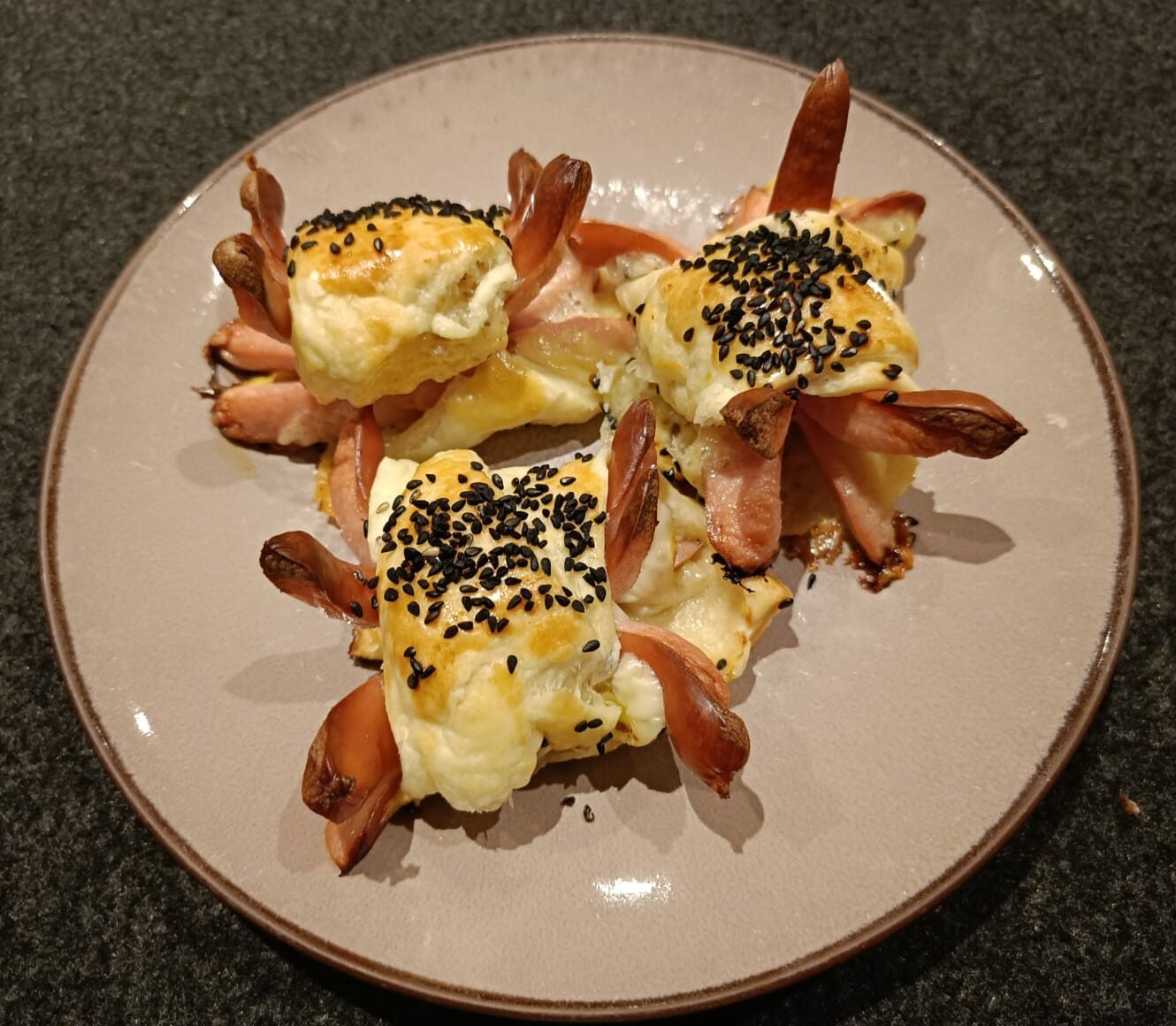
Crispy puff pastry, melty cheese, buttery flavour, and the adorable โ€œcrab legsโ€ made from sliced Wiener sausages โ€” this recipe is as tasty as it is entertaining.

Wiener sausage crabs in puff pastory.
Wiener Sausage crabs in puff pastory.

Ingredients (makes 6โ€“8 Sausage Crabs)

  • 3โ€“4 Wiener sausages (hot dog style)
  • 1 roll of puff pastry
  • Slices of cheese (Gouda, Cheddar or Emmental work great)
  • 1 egg yolk
  • 2 tbsp milk
  • Black sesame seeds for topping
  • Optional: Ketchup, mustard or dips

How to Make Sausage Crabs

1. Prepare the โ€œcrab legsโ€

Cut each Wiener sausage into 3 pieces.
Then slice each end lengthwise (about 4 tiny cuts per end).
When heated, the ends will curl outward โ€” creating the perfect crab-like legs.

2. Wrap with cheese & puff pastry

Cut the puff pastry into small rectangles.
Place a thin slice of cheese in the middle.
Lay your sausage piece on top and wrap the pastry around the center, leaving the sliced ends sticking out like legs.

3. Make a golden glaze

Whisk together:

  • 1 egg yolk
  • 2 tablespoons milk
    Brush this mixture over the puff pastry for that beautiful golden shine.

4. Add the finishing touch

Sprinkle black sesame seeds on top.
They add flavour โ€” and make the little crabs look extra adorable.

5. Bake

Place your crabs on a baking sheet lined with parchment.
Bake at 200ยฐC (390ยฐF) for 15โ€“20 minutes, until the pastry is puffed and golden, and the crab legs have curled.


Tips for Cooking with Kids

  • Let kids cut the pastry and place the cheese.
  • They love brushing the shiny egg glaze!
  • Watching the โ€œlegsโ€ curl in the oven is pure kitchen magic.

This recipe encourages creativity, fine motor skills, and kitchen confidence โ€” all while having fun.


Serve & Enjoy

Your Sausage Crabs are ready to serve!
Perfect for:

  • Party snacks
  • Kidsโ€™ lunch plates
  • Creative cooking afternoons
  • Fun family weekend meals

Theyโ€™re delicious warm with mustard, ketchup, or a simple yogurt dip.

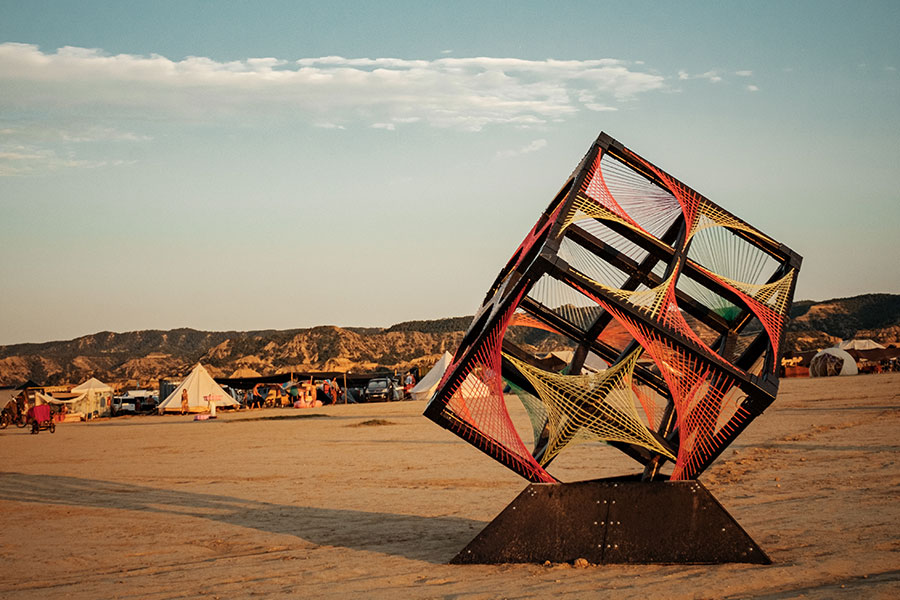
Nowhere โ€” Europeโ€™s Burning-Man Spirit in the Spanish Desert

Nowhere - Europeยดs burning-man spirit in the spanish desert
https://www.goingnowhere.org/wp-content/uploads/2023/11/nowhere-2023-19.jpg
Art cube in the desert of Spain

If youโ€™re drawn to the creativity, freedom, and community of Burning Man, Nowhere in Spain is Europeโ€™s closest equivalent. Held each July in the rugged Monegros Desert of Aragรณn, Nowhere is a week-long experiment in art, participation, and radical self-expression โ€” entirely built by the people who attend.

When & Where

There are no stages, no commerce, and no spectators โ€” everyone participates. Camps (โ€œbarriosโ€), workshops, interactive art, spontaneous performances, and temporary desert living create a shared community that vanishes without a trace.


What to Pack for Nowhere (Essential Guide)

The Monegros Desert is beautiful โ€” and extreme. Prepare well, and youโ€™ll love it.

Survival Essentials

  • 6โ€“7 liters of water per person per day (drinking + cooking + washing)
  • Shade structure (tarps, poles, or a desert-ready tent)
  • Strong sunscreen + lip balm
  • Hat, sunglasses, scarf or bandana
  • Electrolytes (the heat is intense)

Camping Gear

  • Sturdy tent (stakes + extra rope โ€” winds can be strong)
  • Sleeping mat + warm sleeping bag (cold nights!)
  • Headlamp with extra batteries
  • Trash bags (leave no trace)

Food & Cooking

  • Meals for the entire stay (no shops, no vendors)
  • Small gas stove or cold-food setup
  • Reusable cup, bowl, cutlery

Clothing

  • Light, breathable clothes for daytime
  • Warm layers for nights
  • Dust-protection items (goggles are helpful)
  • Fun outfits for self-expression

Creative & Community Items

  • Gifts (small, meaningful, non-moopy)
  • Art materials, costumes, music gear
  • Anything that contributes to the community or your barrio

Practical Extras

  • First-aid kit
  • Power bank or solar charger
  • Wet wipes / minimal washing supplies
  • Earplugs
  • Identification + event ticket

Why Go?

Because Nowhere isnโ€™t a festival โ€” itโ€™s a temporary desert community where you help build the experience. No sponsors, no ads, no spectators. Just creativity, connection, art, and self-reliance under the Spanish sun.

If youโ€™re looking for an alternative gathering that feels raw, real, and full of possibility, Nowhere might be your next unforgettable adventure.

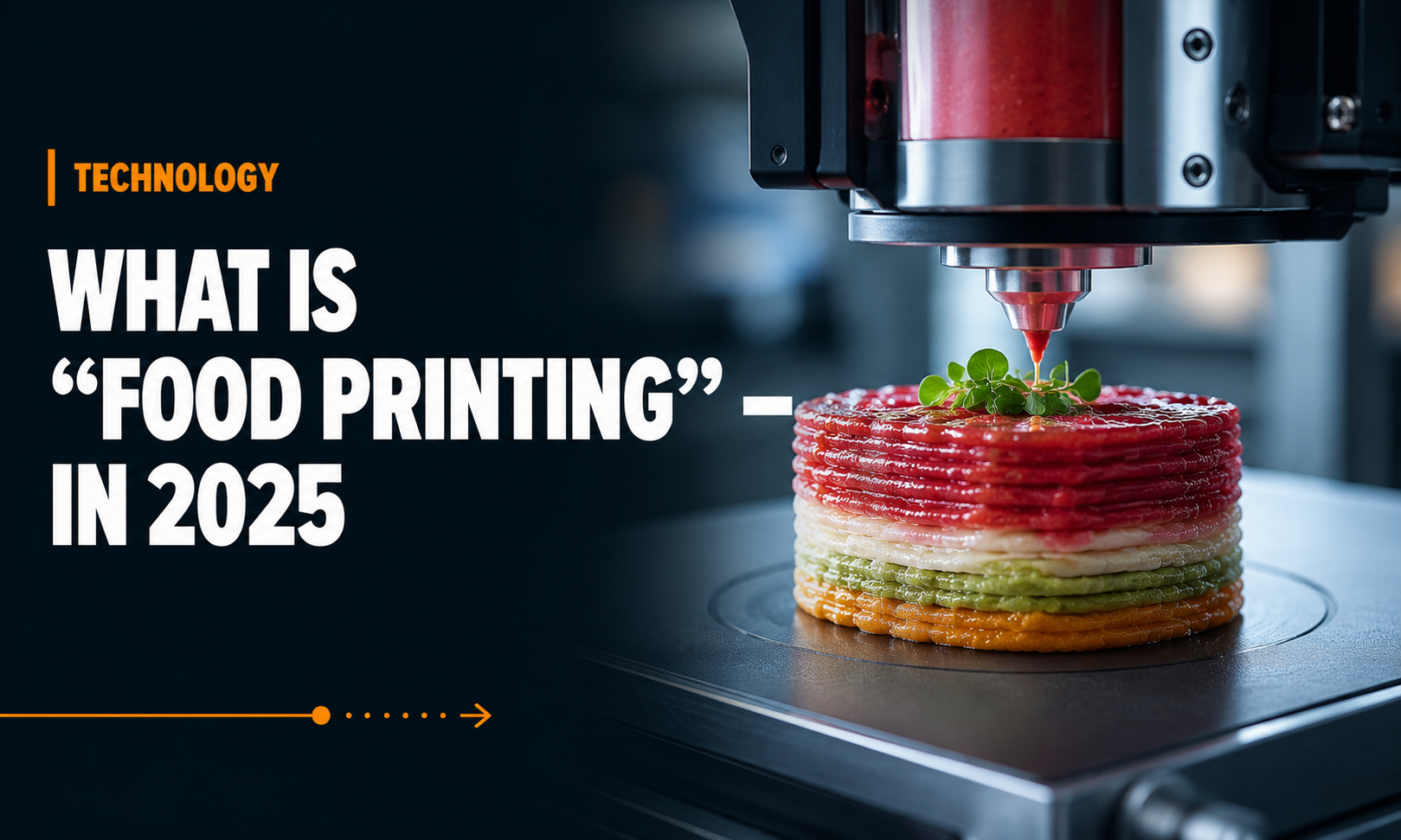
What is โ€œFood Printingโ€ โ€” in 2025

What is food printing in 2025?

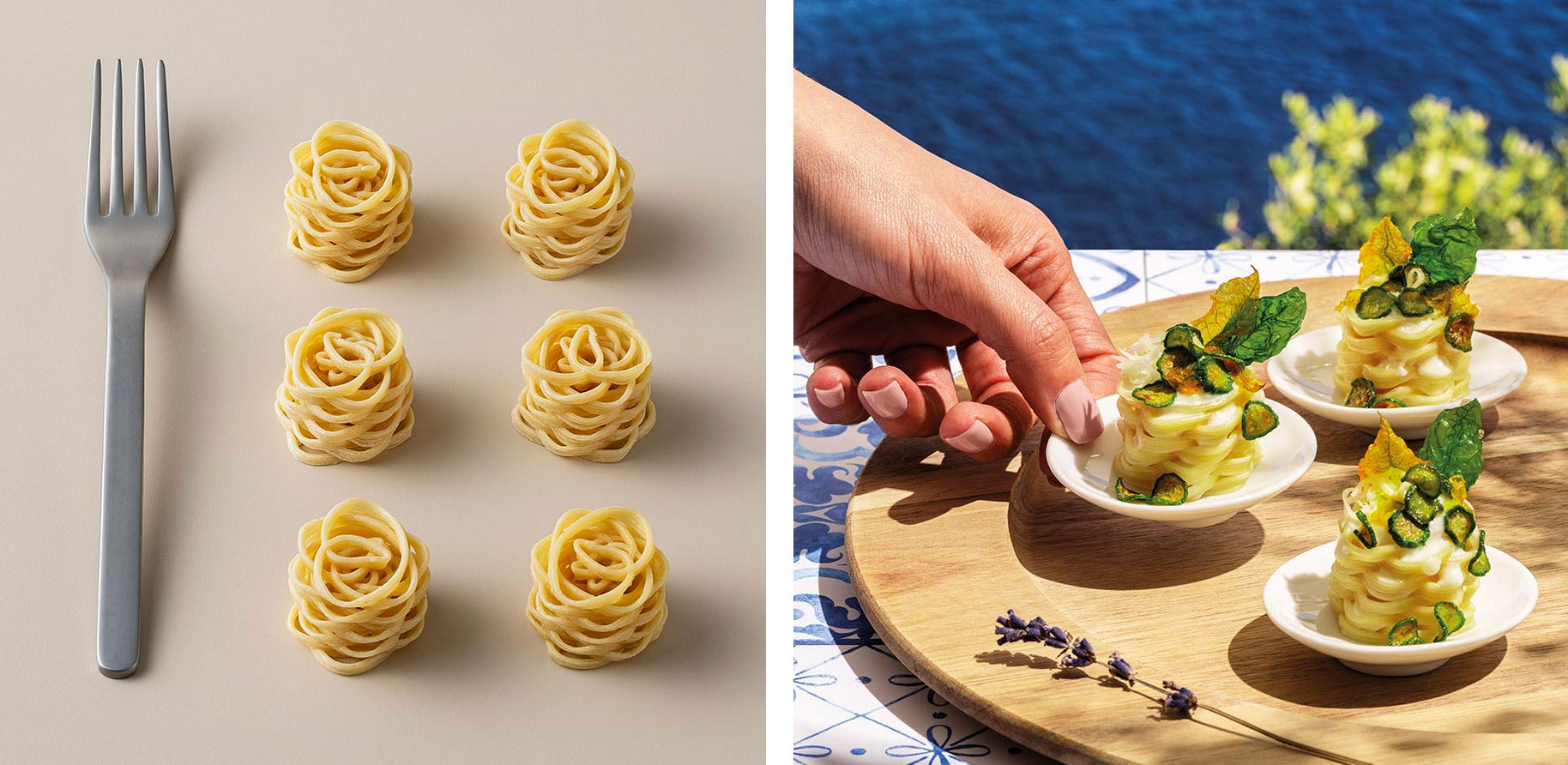
โ€œFood printingโ€ (often via 3D food printing / โ€œ3D-Lebensmitteldruckโ€) refers to using additive-manufacturing principles โ€” similar to 3D printing โ€” to produce edible items. Instead of plastic or metal, the โ€œinkโ€ can be dough, purรฉe, chocolate, plant-protein paste, or mixtures of edible ingredients. https://en.wikipedia.org/wiki/3D_food_printing

Modern food printers build food layer by layer, directed by a digital design (CAD / software), which allows very precise control over shape, texture, internal structure โ€” and even nutritional content. https://www.mdpi.com/2304-8158/14/12/2066

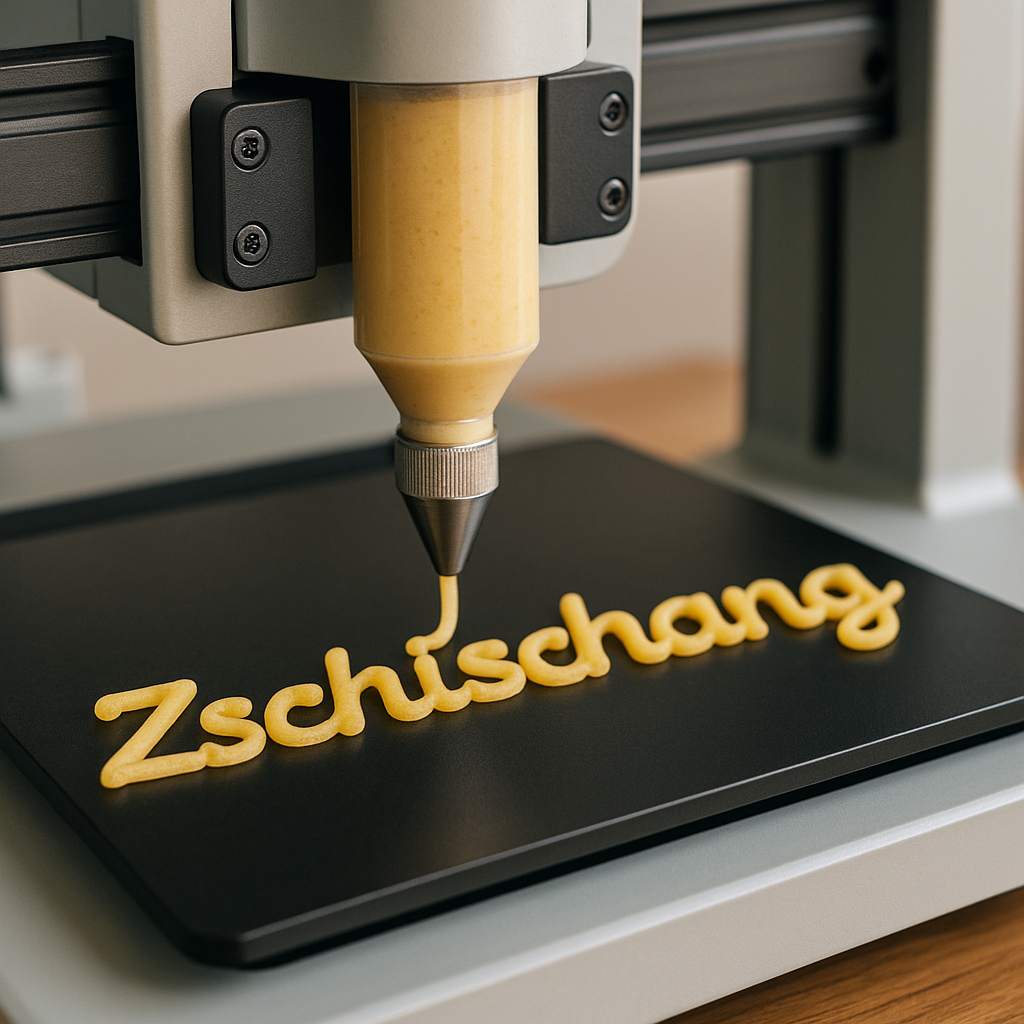
3d printed pasta
Foto: BluRhapsody

Thanks to recent innovations, 2025โ€™s food-printing capabilities go far beyond novelty desserts or decorative elements โ€” they now include:

In short: 3D food printing in 2025 isnโ€™t just a futuristic gadget โ€” itโ€™s a growing segment of food science, gastronomy, and alternative-food development.


Whatโ€™s Changed Since 2019

Looking back at 2019 and earlier, food printing was more of a curiosity or experimental kitchen-tech novelty โ€” often used for chocolate decorations, simple pastry shapes, or concept-level dishes. https://de.wikipedia.org/wiki/3D-Lebensmitteldruck

From novelty to serious innovation

From individual fun to industrial & nutritional relevance

From simple textures to engineered food experiences


Why 2025 Feels Like a Turning Point

Also โ€” research keeps pushing boundaries: as of 2025, scientists have demonstrated printing foods with bioactive ingredients, customizing not just how food looks or tastes, but also its nutritional and functional properties. https://www.frontiersin.org/journals/food-science-and-technology/articles/10.3389/frfst.2025.1607449/full


Challenges & Whatโ€™s Still Being Solved

Even with big advances, 3D food printing still faces hurdles:

Thus, while food printing is promising, itโ€™s not yet replacing traditional farming or cooking โ€” at least not at scale.


Whatโ€™s Next โ€” What to Watch in the Coming Years

  • Wider adoption in food industry & retail: As printing becomes cheaper and regulation advances, expect more printed products โ€” perhaps in supermarkets, special-diet segments, or ready-to-eat lines.
  • Advanced โ€œfood-inkโ€ materials: More plant-based proteins, sustainable sources (algae, upcycled waste), or even lab-grown ingredients โ€” enabling sustainable food systems.
  • Personalized nutrition & functional foods: Printed meals tailored to individual nutritional needs, age groups, or health conditions.
  • Creative gastronomy & design-centric dining: Restaurants and chefs using printing to bring innovative textures, shapes, and dining experiences (art-on-a-plate, edible architecture).
  • Regulatory & safety developments: As printed foods become more common, expect tighter standards, labeling requirements, and quality regulation.

In Summary

Food printing in 2025 is no longer a sci-fi curiosity โ€” itโ€™s a growing field at the crossroads of technology, nutrition, sustainability, and culinary art. From simple printed desserts back in 2010s and early 2020s, it has evolved into a tool capable of crafting plant-based meats, personalized nutrition solutions, and artful gastronomic creations.

Still, itโ€™s not yet mainstream. Challenges remain: cost, scaling, regulation, taste. But the direction is clear: food printing could become a meaningful part of how we produce, design, and enjoy food โ€” especially as we rethink sustainability, dietary diversity, and food culture for the future.

If you like, I can also show you examples of 3D-printed dishes from 2025 โ€” including photos and links to research or restaurants.

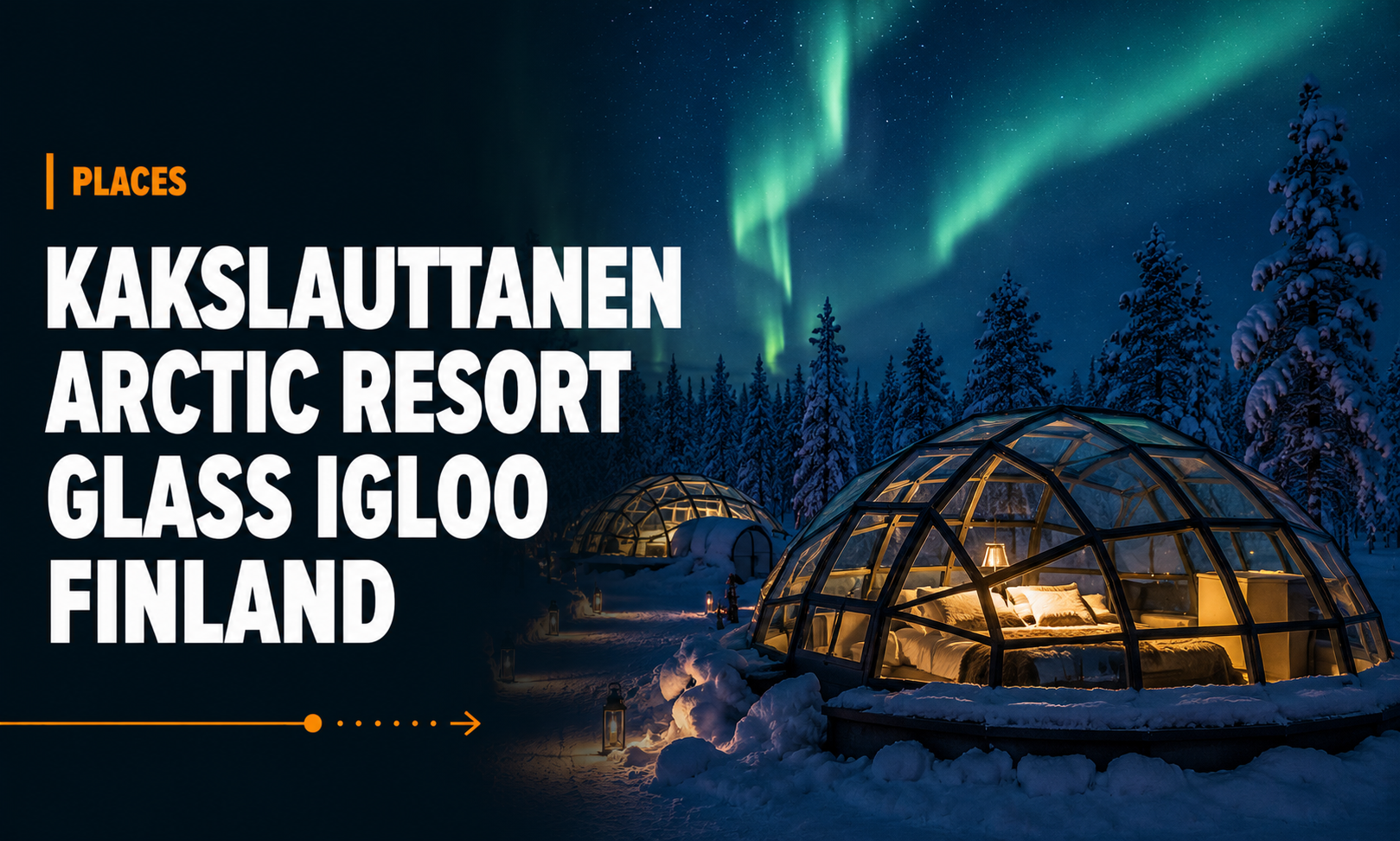
Kakslauttanen Arctic Resort Glass Igloo Finland

Kakslauttanen arctic resort glass igloo Finland

Sleep Under the Stars โ€” The Magic of a Glass Igloo in Finland

Thereโ€™s something almost mythical about staying beneath the Arctic sky, wrapped in warmth and silence, while the world around you drifts into a snow-white dreamscape. If youโ€™ve ever wondered what it feels like to watch the dancing auroras from your own bed โ€” then the glass-igloo experience at Kakslauttanen Arctic Resort, offered via Arctic Direct, might be the answer. https://www.arcticdirect.co.uk/package/glass-igloo-finland

A Night Unlike Any Other

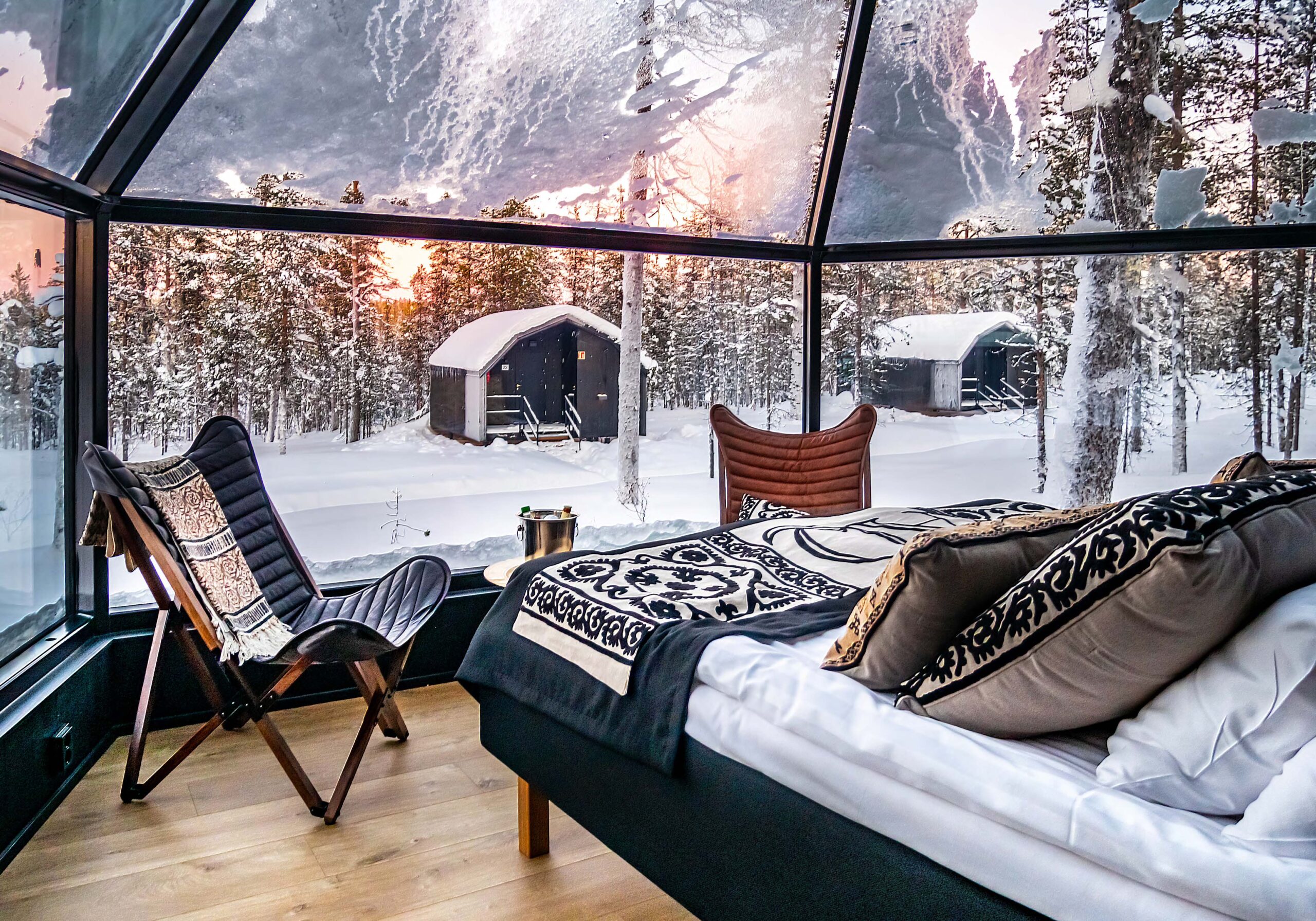
At its heart, the “glass igloo” isnโ€™t a gimmick โ€” itโ€™s a design feat. The resortโ€™s special thermal glass keeps guests warm even when the temperatures outside plunge, allowing you to gaze up at the sky without the chill. https://www.arcticdirect.co.uk/glass-igloo-holidays/finland

Imagine lying in a soft, reclining bed, under a clear dome of glass, surrounded by the hush of snow-covered woods. Outside, log cabins rest quietly among trees dusted in frost. Inside, youโ€™re enveloped in cozy warmth โ€” the crackle of a distant fire, the scent of pine, the gentle hush of winter night. https://www.arcticdirect.co.uk/package/glass-igloo-finland

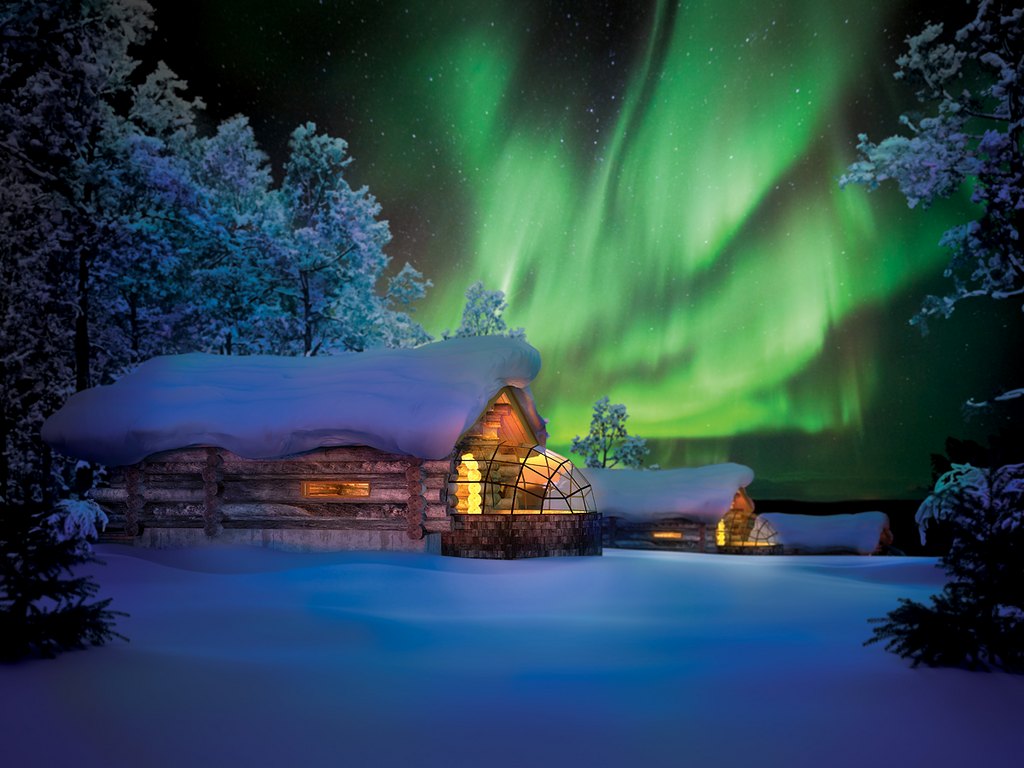
On a good night, if luck and nature align, you may witness the magical glow of the Aurora Borealis โ€” green and purple curtains of light dancing across the sky. From the comfort of your igloo bed, itโ€™s a once-in-a-lifetime moment. https://www.arcticdirect.co.uk/package/glass-igloo-finland

Kakslauttanen-Arctic-Resort-Glass-Igloo-Finland
Nothern lights in Finlandยดs prime Arctic Resort

More than Just a Place to Sleep

But the glass-igloo stay is only part of what makes this experience unforgettable. The package from Arctic Direct includes:

This blend of wilderness, comfort, and adventure makes the trip more than just a holiday โ€” it becomes a memory etched in frost and northern lights.

Why It Resonates

In an era where travel can often feel mass-produced, the Kakslauttanen glass-igloo experience stands out for its intimacy and authenticity. It invites travellers to slow down โ€” to breathe in the crisp air, to feel the hush of snow underfoot, to connect with nature in a raw yet comfortable way.

Itโ€™s not about glamour or luxury for show. Itโ€™s about seeing the Arctic on its own terms โ€” silent, wild, and beautiful โ€” and waking up under a blanket of stars that few ever get to witness.

For couples, friends, or solo travellers seeking more than just sightseeing, this kind of stay offers something different: wonder, tranquility, and perhaps the most serene wake-up call imaginable.

When to Go & What to Expect

The glass-igloos are available throughout much of the โ€œAurora seasonโ€ โ€” roughly from late August through to April. https://www.arcticdirect.co.uk/package/glass-igloo-finland

Even in deep winter, the heated igloos mean you stay warm. Meanwhile, daytime activities like husky-sledding or snowmobiling provide thrill and adventure, while evenings bring calm, warmth โ€” and the possibility of a sky lit by dancing lights.

If youโ€™re planning a trip, itโ€™s wise to book in advance. This kind of immersive experience โ€” combining comfort, wilderness, and a natural spectacle โ€” tends to fill up fast.


In Conclusion: Why This Experience Is More Than a Holiday

The glass-igloo experience at Kakslauttanen Arctic Resort is more than just โ€œanother trip.โ€

Itโ€™s a reminder that travel can also be about stillness. A chance to reconnect with nature, to sleep under a sky that most will never see, to witness beauty in silence and cold, and to return home carrying a memory of moonlit snowfields, hushed forests, and shimmering light overhead.

If youโ€™ve ever dreamed of seeing the aurora borealis without leaving your bed โ€” this is as close as it gets.

Please note that we are not sponsored by the resort! We just love it!

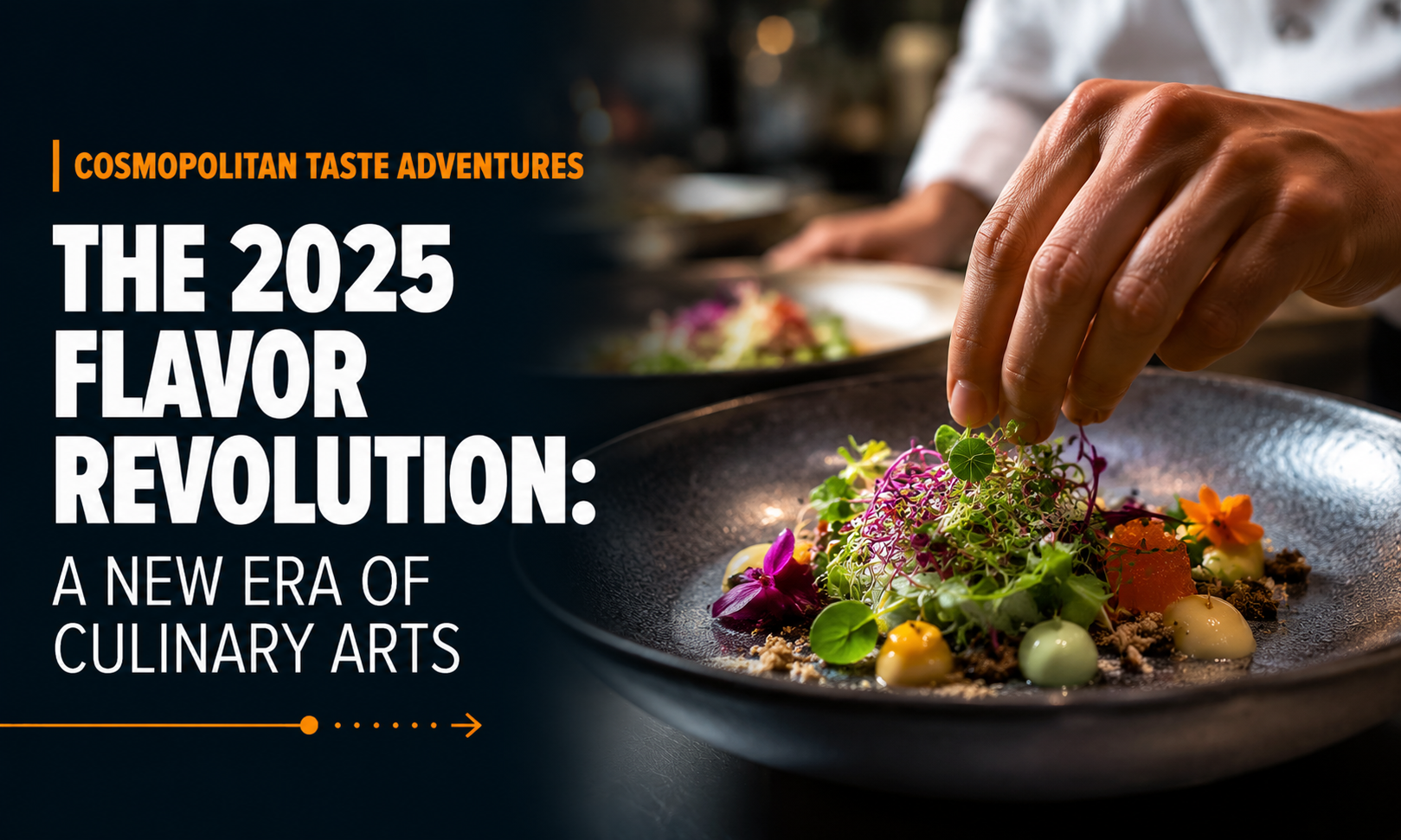
The 2025 Flavor Revolution: A New Era of Culinary Arts

The 2025 flavour revolution

The culinary world is transforming faster than ever, and 2025 is shaping up to be a landmark year for chefs, home cooks, and food creators worldwide. A new movement is emerging โ€” bold, sensory, artistic โ€” pushing cuisine beyond taste and into storytelling. Welcome to the Flavor Revolution, where culinary arts blend creativity, science, culture, and immersive experience.

Flavour revolution
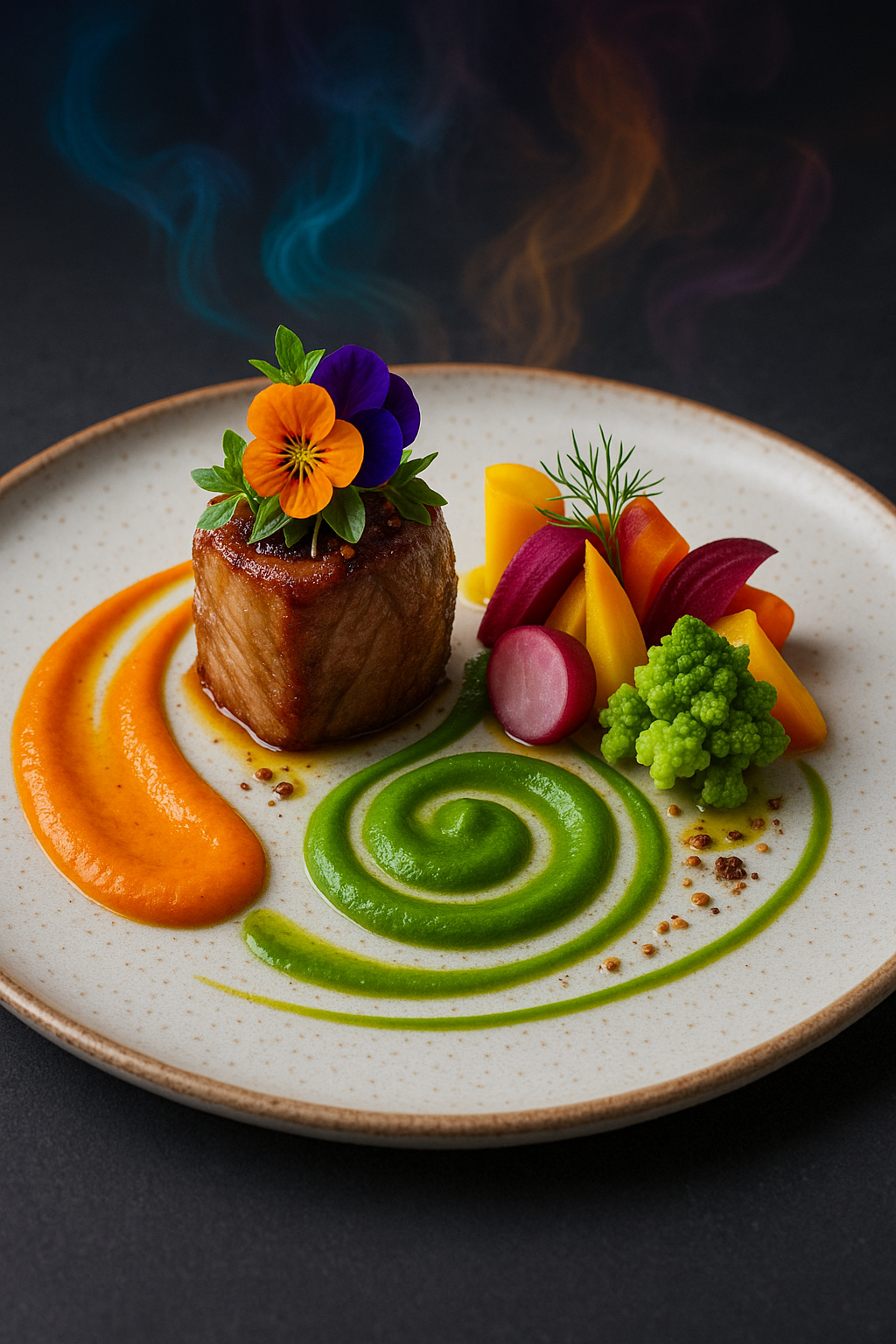
Image with a nicely arranged plate full of flavour

What Is the Flavor Revolution?

The Flavor Revolution is a global shift redefining how food is crafted, plated, and experienced. Instead of focusing solely on flavor profiles, chefs are now creating dishes that evoke emotions, spark curiosity, and build narrative. Each plate becomes a piece of edible art โ€” a multisensory expression.

Key elements include:

  • Edible Color Theory: Using natural pigments to influence mood and perception.
  • Culinary Sculpting: Turning ingredients into intricate artistic forms.
  • Hyperlocal Fusion: Combining regional traditions with modern techniques for unforgettable contrasts.
  • Aroma Pairing Science: Curating scents that enhance taste and memory recall.
  • Tech-Enhanced Dining: Projection mapping, AI-crafted flavors, and interactive plating.

Why Itโ€™s Captivating Food Lovers Everywhere

This trend resonates because people want experiences, not just meals. Diners crave stories, immersive environments, and dishes that surprise them. Social media accelerates the movement โ€” stunning plating and artistic compositions spread like wildfire, inspiring millions to try new techniques at home.

Restaurants adopting this approach report:

  • Higher guest engagement
  • Longer table conversations
  • Increased demand for tasting menus
  • Viral visual content

Culinary arts have officially evolved from craftsmanship to full sensory artistry.

Techniques Defining the 2025 Culinary Landscape

1. Texture Layering

Contrasting soft, crisp, airy, and silky elements creates dynamic bites that feel cinematic.

2. Botanical Infusions

Flowers, herbs, and smoked botanicals add complexity and visual drama.

3. Architectural Plating

Chefs construct dishes the way designers build sculpture โ€” with intention, movement, and balance.

4. AI-Enhanced Recipe Crafting

AI tools help analyze flavor data, creating blends never before explored.

5. Neon Gastronomy

Vibrant natural colors (like butterfly pea, chili oils, and beet foams) create modern, Instagram-ready visuals.

The Future of Food Is an Experience

As the Flavor Revolution spreads, expect to see:

  • Restaurants becoming edible art galleries
  • Home cooks elevating plating to new heights
  • Global ingredients merging with futuristic techniques
  • Food becoming an emotional journey rather than a simple activity

The culinary arts are no longer just about feeding people โ€” theyโ€™re about connecting, inspiring, and storytelling through taste.

The HyperFluent Movement: The Art Trend Redefining 2025

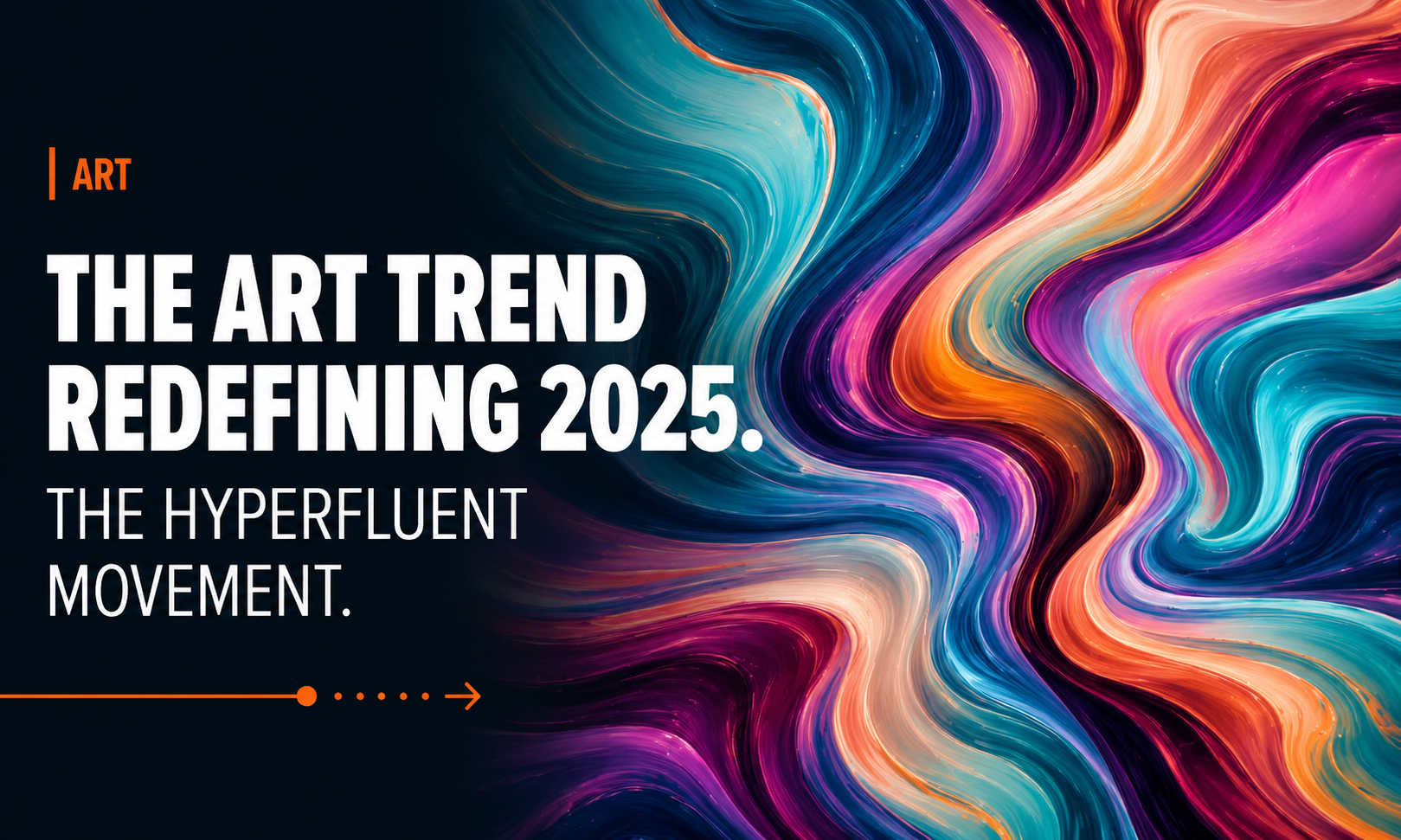
The art trend redefiniing in 2025. The Hyperfluent Movement.

A new wave of creativity is exploding across the art world โ€” bold, fluid, unpredictable, and utterly mesmerizing. Welcome to The HyperFluent Movement, the latest art trend capturing the imagination of painters, digital artists, NFT creators, interior designers, and futurists alike.

HyperFluent art is all about motion, emotion, and transformation. It blends kinetic energy with surreal color patterns, creating living visuals that feel like theyโ€™re breathing on the canvas. Think of it as a fusion between liquid metal, neon dreams, and abstract consciousness.

Hyperfluent Artwork
Hyperfluent Artwork

What Makes HyperFluent So Unique?

  • Fluid Dynamics as Art: Each piece feels like itโ€™s in motion, even when completely still.
  • Chromatic Emotions: Artists use shifting color gradients to express raw feelings โ€” from cosmic calm to electrified energy.
  • AIโ€“Human Collaboration: Many creators blend traditional techniques with AI-powered morphing tools to achieve impossible textures.
  • Multi-Dimensional Design: HyperFluent works often mix 2D and 3D elements, creating art that feels like it’s leaping out of reality.

Why Itโ€™s Taking Over

As society moves deeper into the digital era, people crave art that reflects constant change. HyperFluent captures that restless transformation beautifully. Itโ€™s being featured in galleries, viral TikTok art videos, futuristic branding campaigns, and even VR spaces.

Interior designers are calling it the โ€œaura artโ€ of the decade because its glowing fluid forms instantly transform a room.

What Youโ€™ll See in a HyperFluent Piece

  • Metallic, liquid-like surfaces
  • Flowing ribbons of neon or iridescent color
  • Abstract shapes shifting in form
  • Movement implied through warped reflections
  • A dreamy, hypnotic sense of depth

This movement doesnโ€™t just look mesmerizing โ€” it feels alive.

I tried a 2019 Food Printer โ€” And the results are insane

I tried a 2019 food printer - and the results are insane

Back in 2019, food printing technology was still in its early, experimental chapter โ€” but it was already capturing imaginations around the world. What once sounded like science fiction had started to take shape on kitchen counters and in innovation labs, where engineers and chefs worked side by side to explore what โ€œprinted foodโ€ could become.

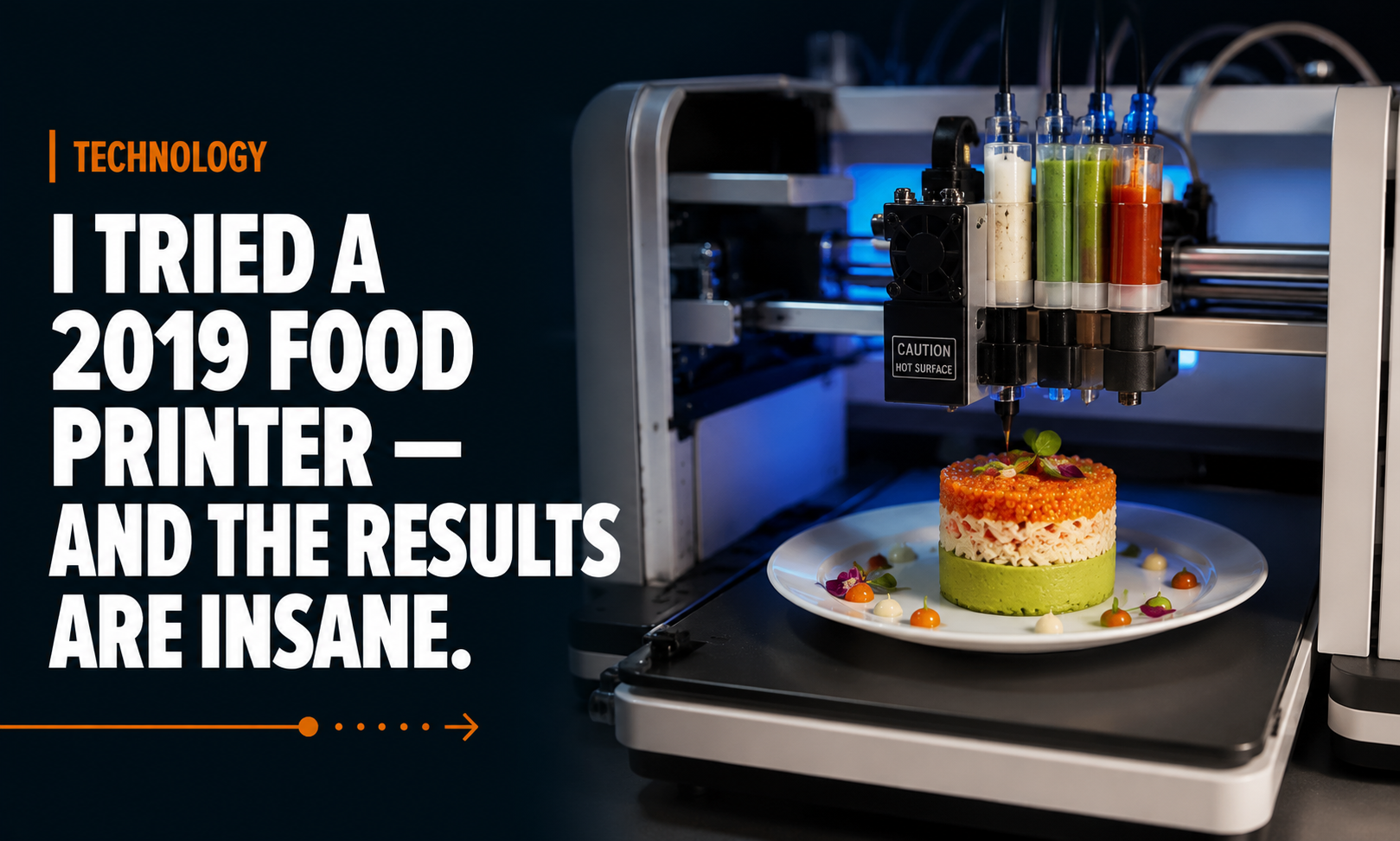
Food printers in 2019 were essentially 3D printers for edible materials, using cartridges filled with chocolate, doughs, purees, cheeses, and other soft ingredients. While they couldnโ€™t yet produce full meals, they excelled at precision, customization, and creativity. Intricate shapes, personalized decorations, geometric chocolates, and elaborate food sculptures became possible at the press of a button โ€” tasks that would normally take a professional chef hours to complete.

The technology was driven by syringe-style extrusion systems, layering ingredients one delicate trace at a time. Early adopters included pastry chefs, confectioners, designers, and tech enthusiasts eager to experiment with the boundaries between food and art.

In 2019, food printers were also a preview of a future where nutrition, sustainability, and technology merge. Researchers were exploring how printers might someday help reduce food waste through exact portioning, or make specialized diets easier to manage by printing meals with controlled nutrients. In aerospace labs, scientists were testing how food printing might support long-duration space missions โ€” offering astronauts more variety and personalization.

While the 2019 machines were limited in speed, ingredient variety, and texture complexity, they represented a bold first step toward a world where food could be shaped digitally. They showed us what was possible when technology entered the kitchen โ€” and set the stage for the rapid advancements still to come.

3-d food printing is not a fiction anymore

The Sacher Hotel Salzburg

The Sacher Hotel Salzburg

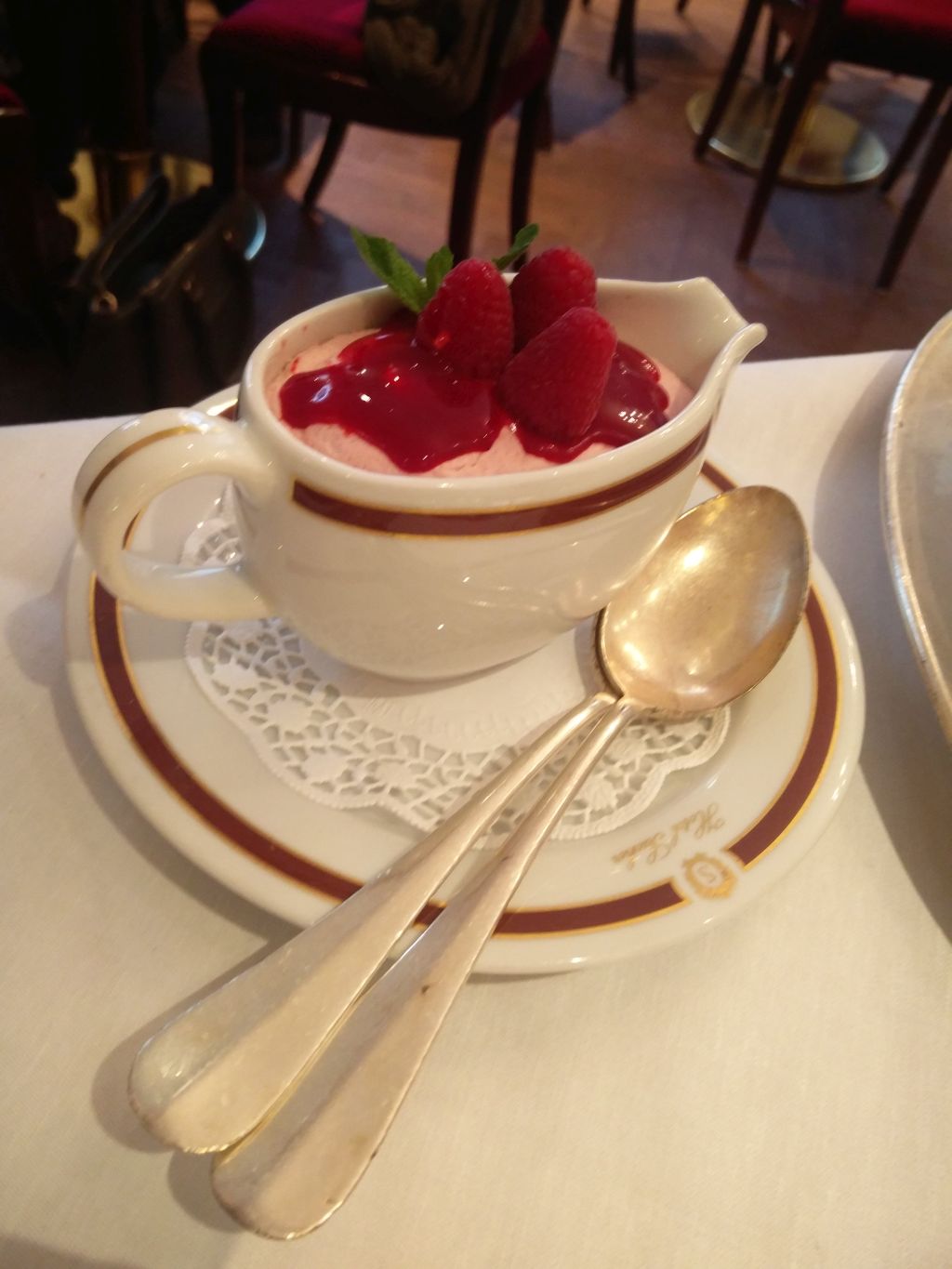
If youโ€™re traveling to Salzburg, Austria, make sure to add a visit to the legendary Hotel Sacher Salzburg to your list โ€” especially its refined coffee house, where Austrian dessert culture and old-world elegance come together in the most delightful way. The hotel, known for its heritage, charm, and warm hospitality, offers a quintessential taste of Salzburgโ€™s culinary traditions.
https://www.sacher.com/hotel-sacher-salzburg/

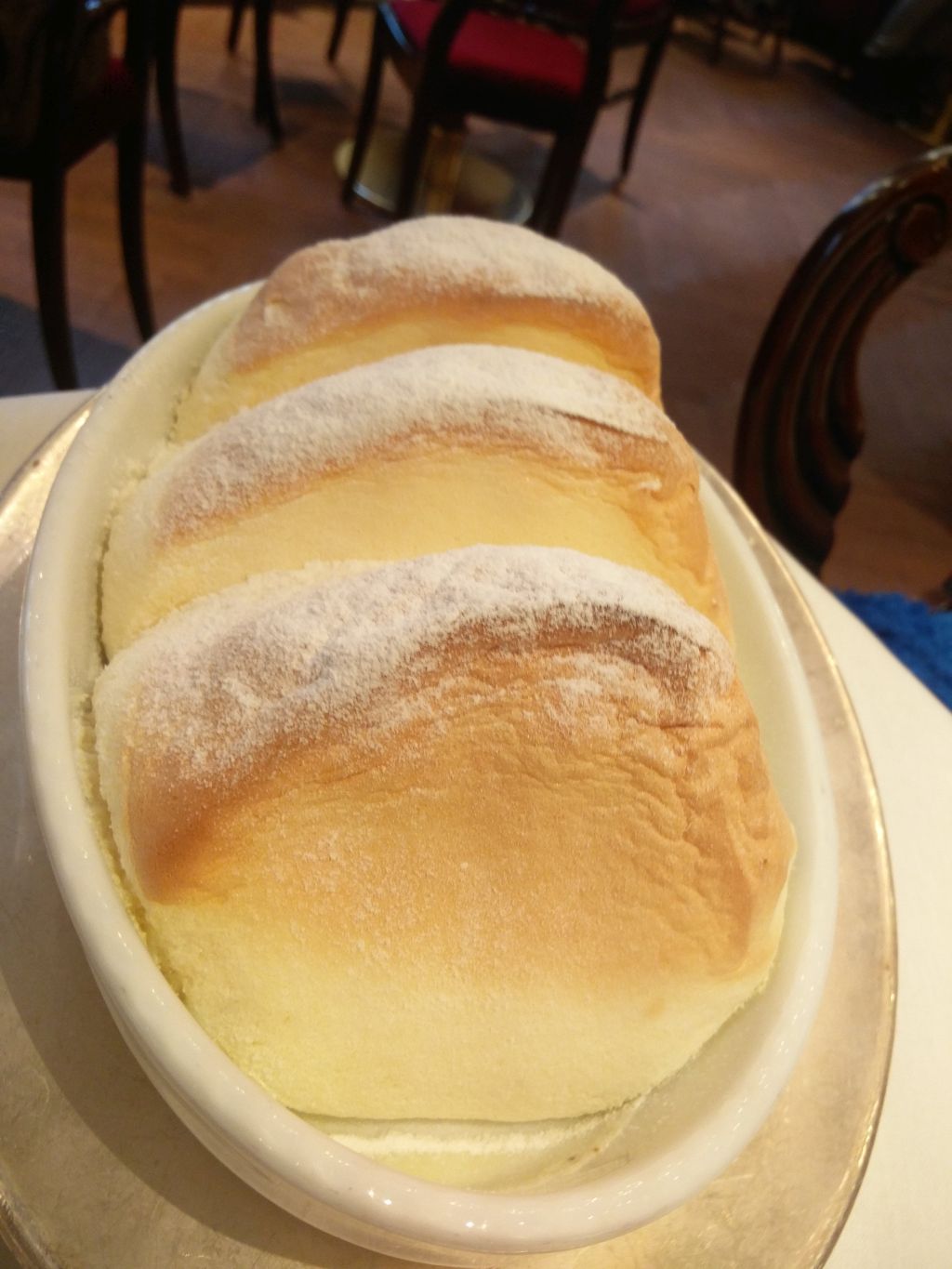
One of the true highlights you simply cannot miss is the iconic Salzburger Nockerln. This light, fluffy soufflรฉ is not just a dessert โ€” it is a symbol deeply rooted in the cityโ€™s culture. Its three soft, snow-capped peaks are crafted to resemble Salzburgโ€™s famous mountains: Mรถnchsberg, Kapuzinerberg, and Gaisberg. Each serving feels like a poetic tribute to the landscape, history, and soul of the region. Lightly sweet, beautifully golden, and served warm, it embodies both the simplicity and the elegance of Austrian cuisine.

Enjoying Salzburger Nockerln at Hotel Sacher is an experience that blends culinary craftsmanship, local storytelling, and authentic Salzburg ambiance. Whether youโ€™re a lover of traditional pastries, a seeker of cultural experiences, or simply indulging in a memorable moment during your travels, this dessert โ€” and this place โ€” will leave a lasting impression.