Technology changes possibilities. And expectations.
Perspectives on AI, automation, emerging technologies and digital platforms — and how they are reshaping business, marketing, customer experiences and everyday life.
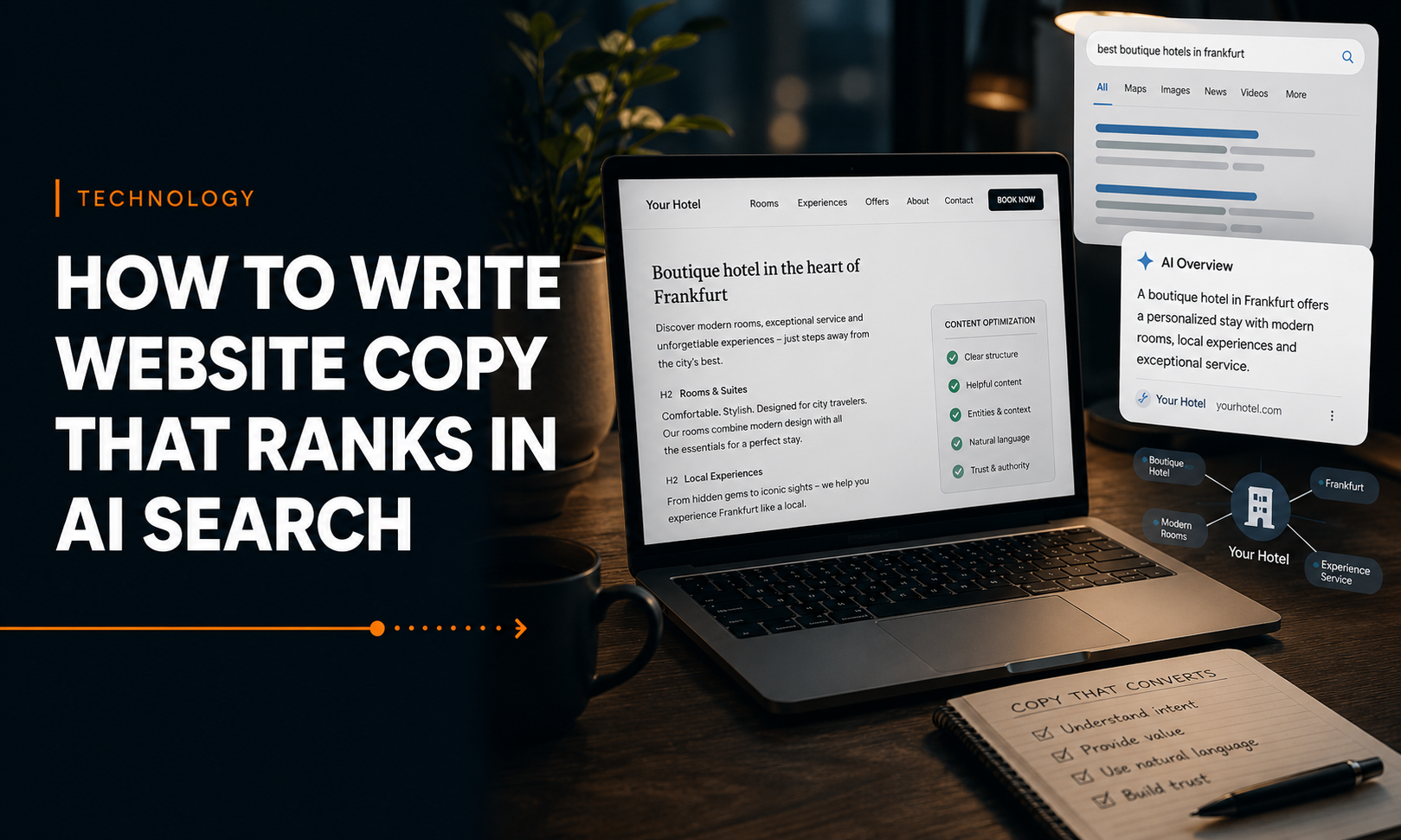
We are no longer optimizing only for blue links. With AI-driven search experiences like Google’s AI-generated summaries powered by Gemini, content is no longer just ranked — it is extracted, summarized, and cited.
If your content isn’t structured for AI visibility, you risk becoming invisible.
Spring Clean AI
The Shift: From Ranking Pages to Training Answers
Traditional SEO focused on:
Keyword density
Backlinks
Metadata
Technical optimization
Those still matter.
But AI search now prioritizes:
Clear intent matching
Structured, extractable content
Semantic depth
Authority and verifiable signals
AI systems don’t just “rank” your page. They:
Scan it
Extract structured insights
Summarize key passages
Decide whether to cite it as a source
That changes how we write.
What AI-Optimized Copy Looks Like
1. Clear Intent Alignment
Answer the primary question early. State the problem and solution directly.
2. Structured Formatting
AI prefers:
Headings (H2, H3)
Bullet lists
Short paragraphs
FAQ blocks
Structure increases extractability.
3. Semantic Coverage
Don’t just mention a keyword. Cover the topic comprehensively:
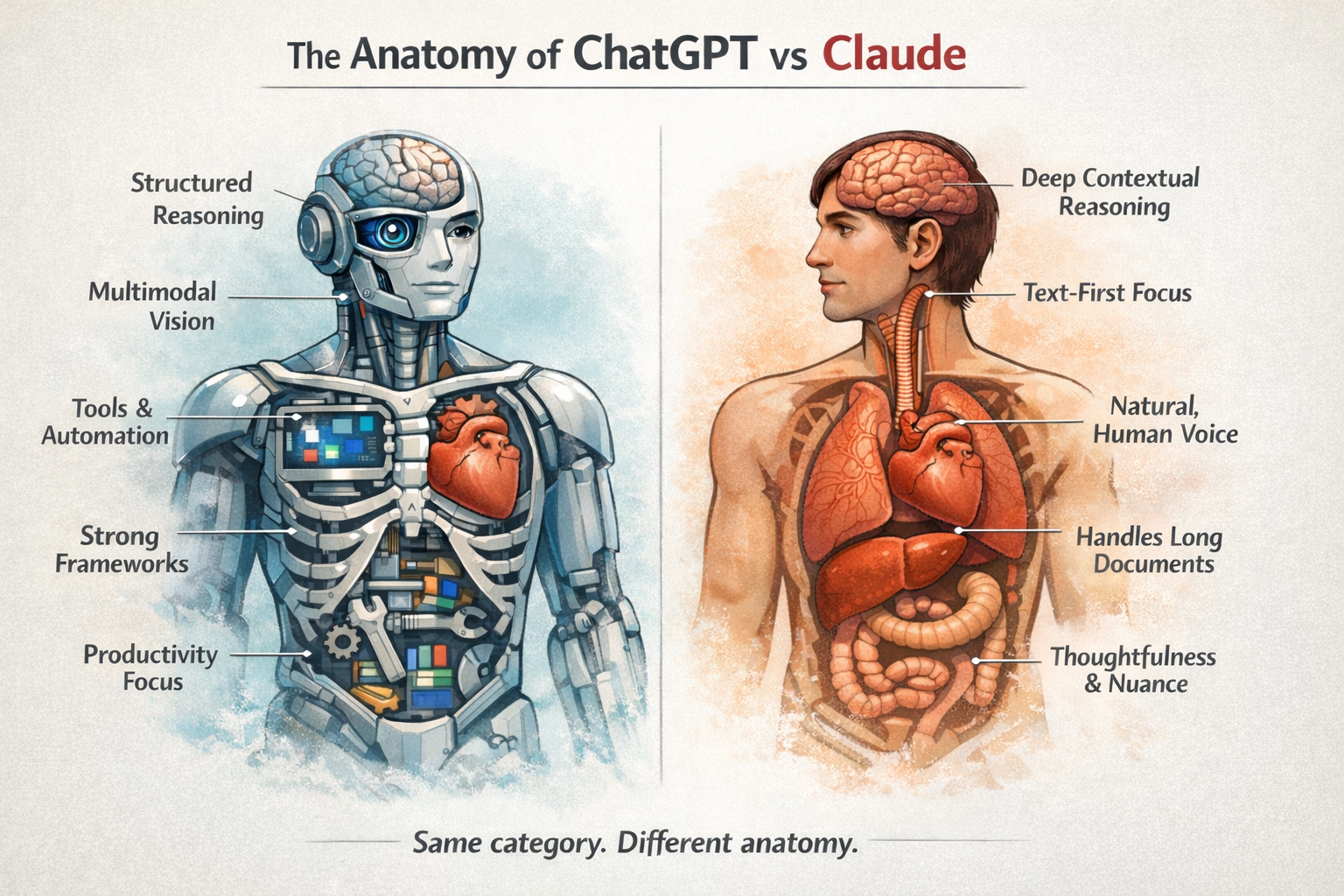
Most AI comparisons focus on benchmarks. This one focuses on behavior. If you treat ChatGPT and Claude as different “organisms,” their strengths become obvious—and predictable.
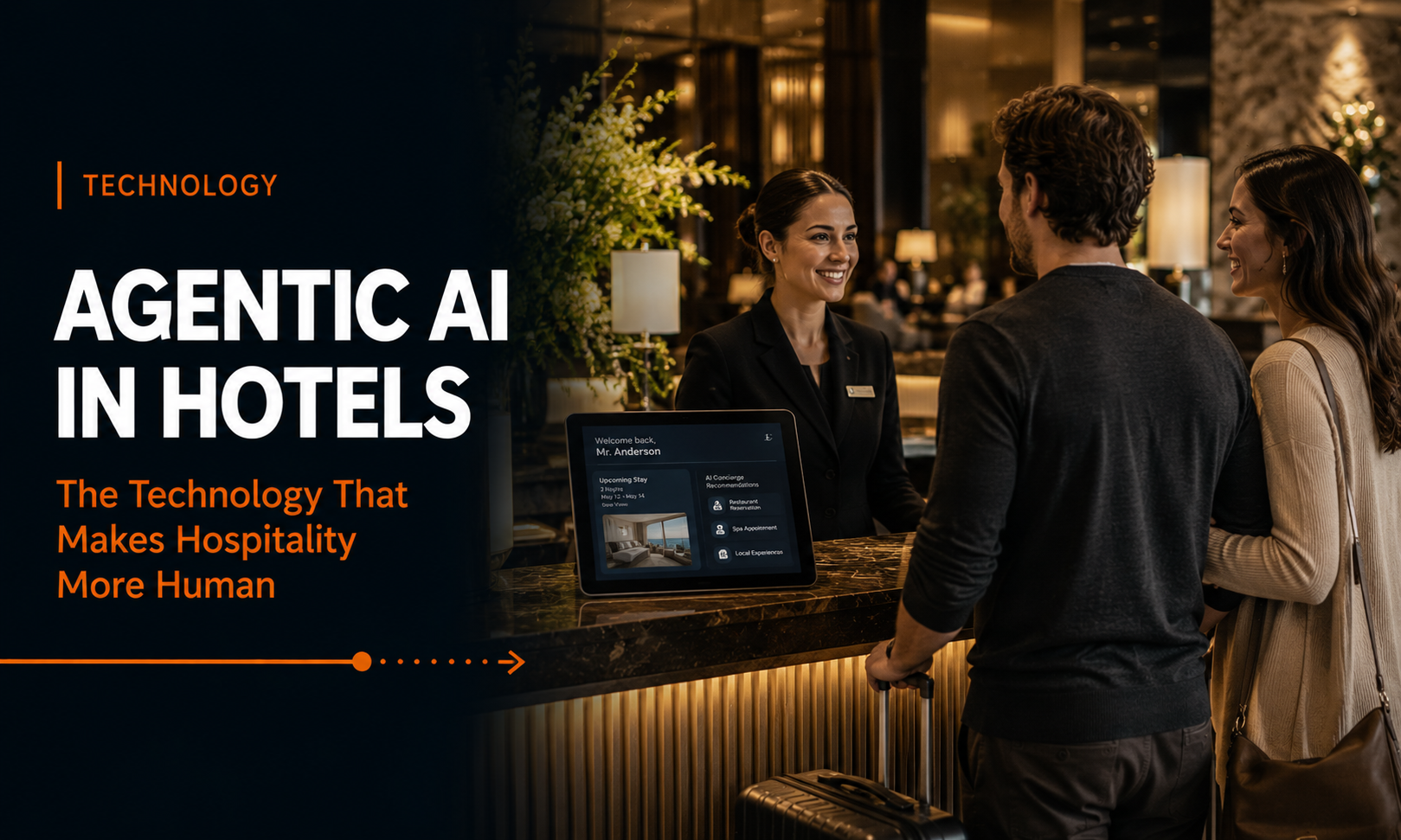
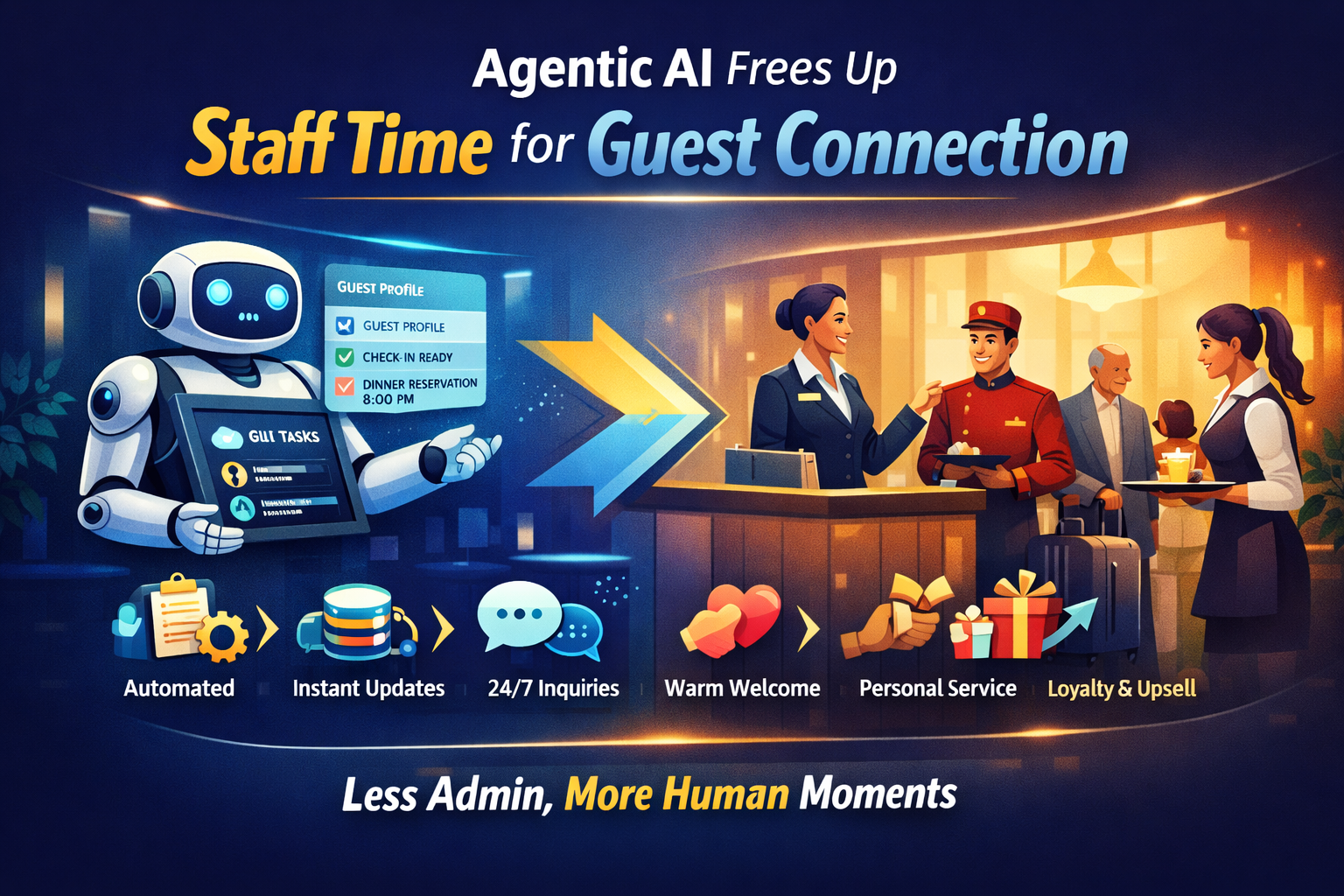
Agentic AI Frees Uo valuable one-to-one guest time!
The hotel industry has a paradox: the more we aim for personalization, the more we bury staff in administration.
Preferences are scattered. Guest context lives in multiple tools. Requests arrive through every channel. And the team—front office, reservations, housekeeping, F&B—spends valuable minutes collecting information instead of creating connection.
Agentic AI changes that. Not because it’s “smarter automation,” but because it introduces a new operating model: software that can take a goal (“prepare for this guest’s arrival”) and execute coordinated steps across your digital ecosystem—while keeping humans in control.
Done right, agentic AI doesn’t replace hospitality. It protects it.
What “agentic AI” actually means in a hotel context
Think of agentic AI as an orchestrator, not a single feature.
learn from outcomes (was the offer accepted? did the issue recur? what improves satisfaction?)
It’s the difference between:
“Here’s an answer.” and
“I handled it—and I documented it across the systems your team uses.”
The operational problem it solves: “information work”
Most friction in hotel operations is not “service work.” It’s information work:
hunting down guest details
re-typing the same information
answering repetitive questions
manually coordinating between departments
inconsistent handovers between shifts and properties
A global hotel-chain report (171 unique hotel chains) shows adoption is happening, but execution is fragmented: 78% use AI today, 89% plan more, yet only 8% have a formal, company-wide strategy.
That gap is your opportunity: the winners won’t be the hotels that “try AI.” They’ll be the hotels that operationalize it.
Where the value shows up (with hard numbers)
1) Cost-to-serve drops without cutting service
McKinsey estimates that applying generative AI to customer care can increase productivity by ~30–45% of current function costs.
In hotel terms, that translates to:
fewer repetitive calls/messages reaching the front desk
faster resolution time
less night-shift pressure for routine questions
cleaner escalation to humans for complex or emotional cases
Case studies in hospitality also show large deflection potential (example: one hospitality chatbot case reports 72% of queries handled without agent assistance). Treat these as directional, not guaranteed—results depend on integration and content quality.
2) Personalization drives measurable revenue lift
McKinsey’s research on personalization shows it most often drives ~10–15% revenue lift (execution-dependent).
3) Upselling scales across the portfolio (not just with your best receptionist)
One of the most underappreciated benefits of agentic AI is portfolio consistency:
the same guest recognized across properties
the same preferences carried over
the same offer logic and brand standards applied
Hotel chains themselves signal this direction: in the h2c study, 54% plan AI-supported upselling and 49% plan personalized booking in the next 12–24 months.
And when conversational AI is paired with upsell tooling, some groups report very large conversion improvements (again: case-study results, not universal).
The real “plot twist”: AI increases human-to-human contact
When AI agents absorb the repetitive work, staff time shifts to what guests actually remember:
warm arrivals
proactive recovery
genuine recommendations
relationship-building that leads to loyalty
This is the message teams need to hear clearly:
Agentic AI is not a headcount strategy. It’s a hospitality strategy.
Because the experience improves precisely where humans are irreplaceable: empathy, judgment, presence.
How to operationalize agentic AI with your existing infrastructure
You don’t need to replace your entire stack. You need a thin orchestration layer plus strong governance.
Step 1: Pick “connected moments” across the guest journey
Start where information work is heavy and value is immediate:
POS / spa / golf / outlets for richer personalization and upsell targeting
The h2c report flags data silos and incomplete integrations as core blockers to personalization—so treat integration as a value prerequisite, not an IT nice-to-have.
Step 3: Define guardrails (this is where trust is built)
consent + privacy rules (what can be used for personalization)
human-in-the-loop thresholds (when must the AI escalate)
brand voice + service recovery policies
logging (what actions were taken, by whom/what)
Step 4: Train staff like you’re introducing a new team member
The same study shows lack of AI expertise (62%) is a bigger barrier than the tech itself.
Training that works:
role-based playbooks (front office vs reservations vs housekeeping leaders)
escalation training (“what the AI handles, what I handle”)
quality loops: weekly review of misroutes, missed intents, bad offers
KPI literacy: staff should understand what “deflection,” “AHT,” “conversion,” and “guest sentiment” mean operationally
Step 5: Measure outcomes with a hotel-operator scoreboard
Minimum KPIs:
% of inquiries resolved without staff (“deflection”)
average response time (by channel)
ticket cycle time (maintenance/housekeeping)
upsell conversion and ancillary revenue per occupied room
loyalty metrics: repeat rate, member enrollment, direct share, NPS/comment sentiment
Notably, 42% of chains don’t track AI ROI at all—which is why pilots stall. Make measurement non-negotiable.
A simple recommendation for hotel leaders
If you take only one idea from this:
Deploy agentic AI to protect your team’s attention. Attention is the scarce resource in hospitality. Not data. Not tools. Not even time.
When staff are freed from collecting information, they can do what guests came for in the first place: be hosted by a human.
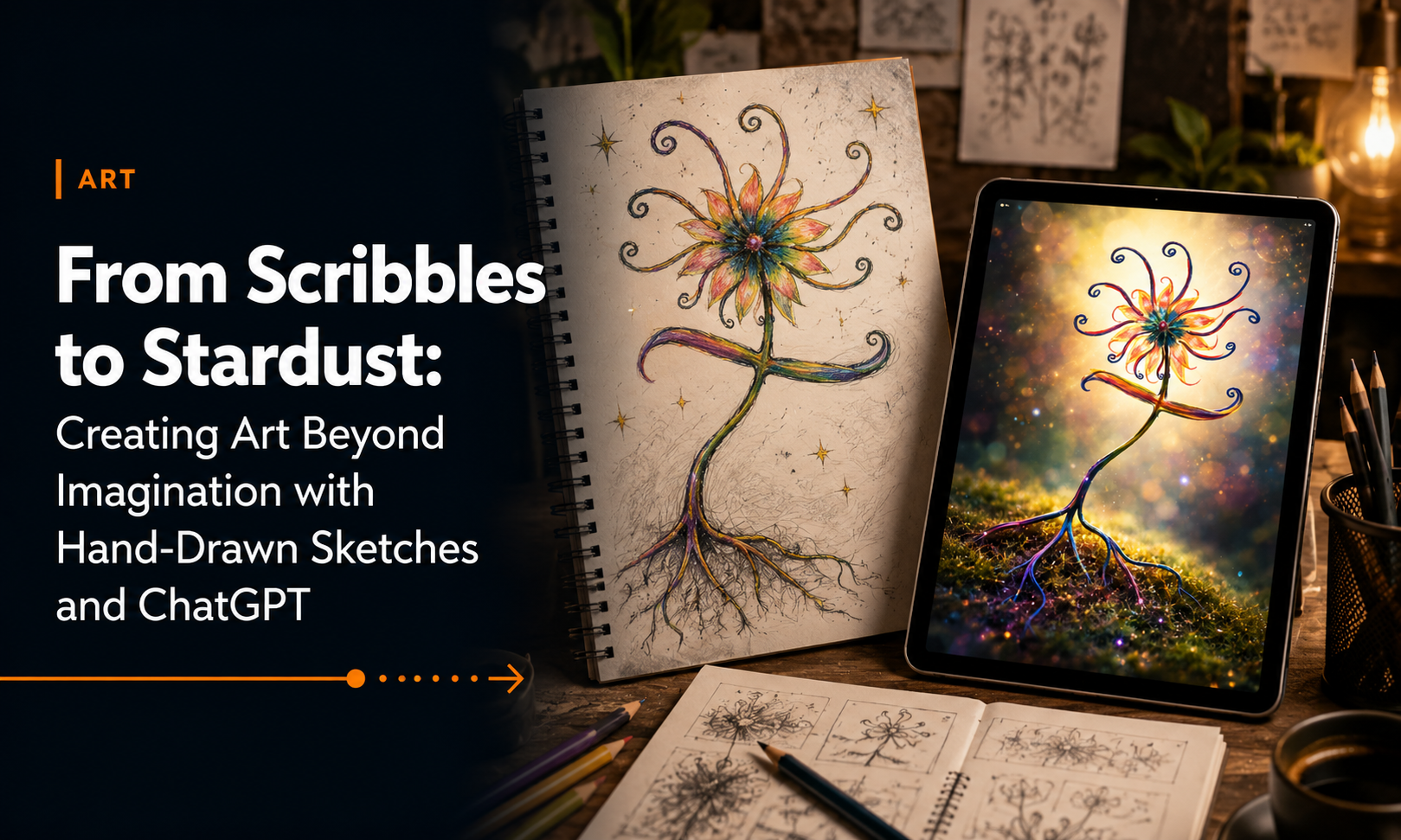
Art has always been a conversation between imagination and medium. For centuries, that conversation required mastery of brushes, pigments, and painstaking technique. Today, something extraordinary is happening: a simple hand-drawn sketch—rough, imperfect, even childlike—can become the seed for breathtaking, otherworldly artwork with the help of AI.
And that changes everything.
The Beauty of Imperfect Beginnings
Look at the most powerful ideas in art history, and you’ll notice a pattern: they rarely begin as polished masterpieces. They start as marks. Lines. Gestures. Doodles in the margins of notebooks.
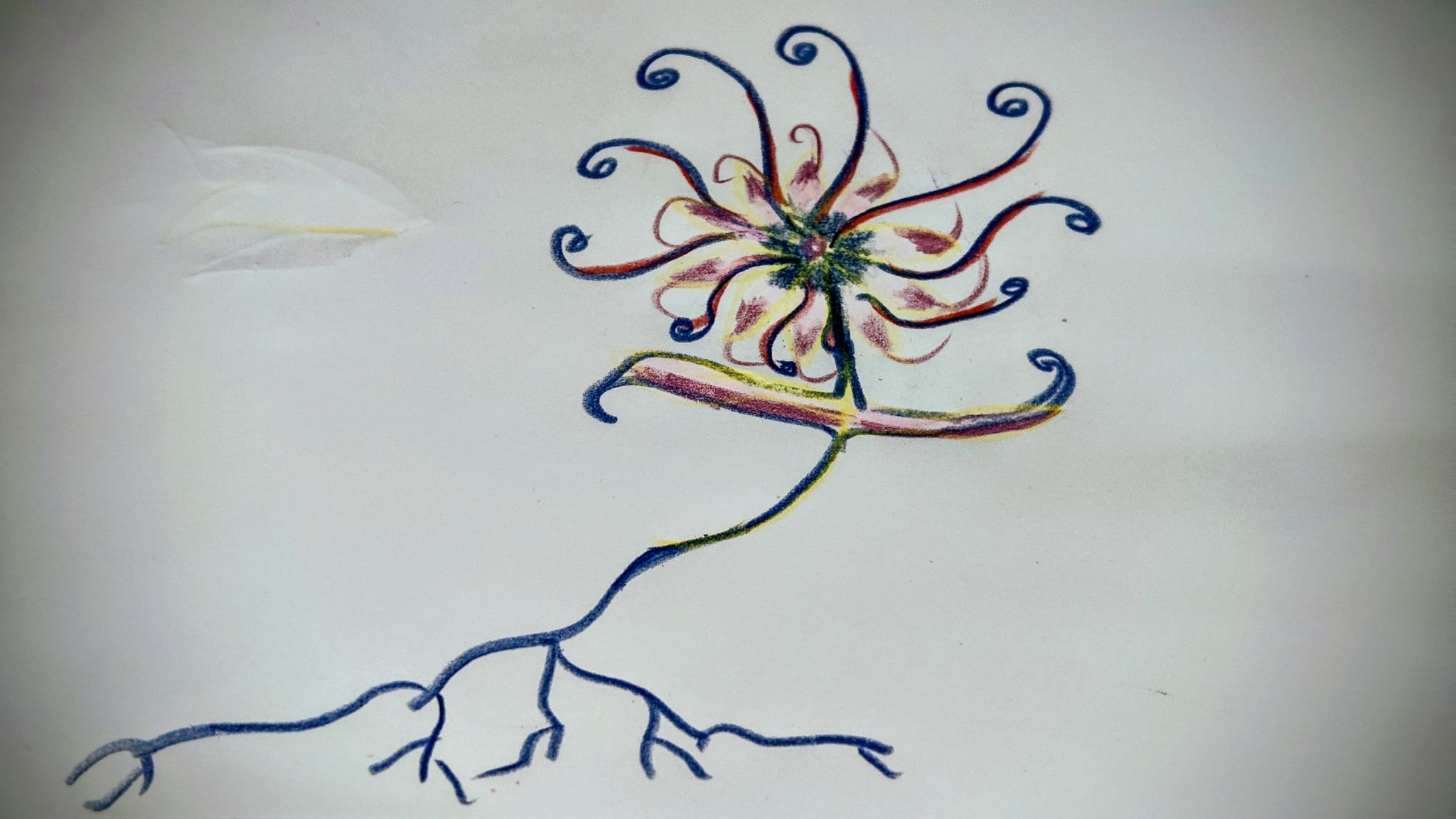
Original Flower Scribble
Those humble scribbles are not limitations—they are portals.
When you draw freely, without worrying about precision, you’re giving your subconscious permission to speak. A crooked stem, a looping petal, a strange curve that “doesn’t make sense” yet feels right—these become visual clues. They contain intention, emotion, and movement in their rawest form.
That’s where the magic begins.
Enter ChatGPT: Your Creative Amplifier
ChatGPT isn’t here to replace your creativity. It’s here to amplify it.
Think of it as a creative collaborator who:
Helps you describe your vision more clearly
Translates abstract feelings into vivid visual language
Suggests styles, moods, lighting, textures, and atmospheres
Pushes ideas beyond what you might initially imagine
You bring the spark. ChatGPT helps fan it into flame.
By combining your hand-drawn sketch with carefully crafted prompts, you can guide generative image tools toward results that feel intentional, personal, and deeply expressive.
The Workflow: Simple, Powerful, Accessible
You don’t need a studio. You don’t need expensive equipment. You don’t need years of training.
Here’s a beautifully simple process:
Sketch Freely Draw something—anything. A strange flower. A dancing line. A shape that feels alive.
Describe What You See Ask ChatGPT to help articulate the essence of your sketch. Example: “This looks like a whimsical flower with curling petals, glowing roots, and a sense of motion, as if it’s dancing in soft light.”
Refine the Vision Together ChatGPT can suggest variations:
Dreamlike vs. photorealistic
Painterly vs. cinematic
Dark fantasy vs. luminous fairytale
Generate and Iterate Feed the refined prompt into your preferred image generator. Adjust. Explore. Repeat.
Within minutes, a pencil doodle becomes a glowing, dimensional artwork that feels pulled from a dream.
1st Iteration of the scribble by ChatGPT
Why This Feels So Revolutionary
Because it collapses barriers.
You no longer need advanced technical drawing skills to express complex visual ideas.
You no longer need to “know how” before you begin.
You no longer have to translate imagination through a single narrow channel.
Instead, creativity becomes conversational.
You sketch. You describe. You explore.
Art becomes less about execution and more about vision.
A New Kind of Artist
This approach creates a new creative identity:
Not just painter. Not just illustrator. Not just designer.
But vision architect.
You design experiences, moods, and worlds.
Your role shifts from “Can I draw this?” to “What do I want to feel, see, and explore?”
That’s a profound change.
Collaboration, Not Automation
There’s a misconception that AI-generated art lacks soul.
The truth is the opposite.
When guided by a human with intention, curiosity, and emotion, AI becomes a lens—not a replacement. It reflects back what you feed into it.
Your sketch provides the gesture. Your words provide the meaning. ChatGPT helps shape the bridge between them.
The soul is still yours.
The Playground Has No Walls
You can create:
Alien botanicals that glow with inner light
Characters born from abstract shapes
Landscapes that feel half-memory, half-dream
Visual poetry that never existed before
All starting from a few imperfect lines.
That is extraordinary.
Final Thoughts
We are living in a moment where imagination is no longer constrained by technical barriers. If you can dream it—and sketch a hint of it—you can explore it.
So grab a pencil. Make a mess. Draw something strange.
Then open ChatGPT and start a conversation.
You might be surprised how far your scribbles can travel.
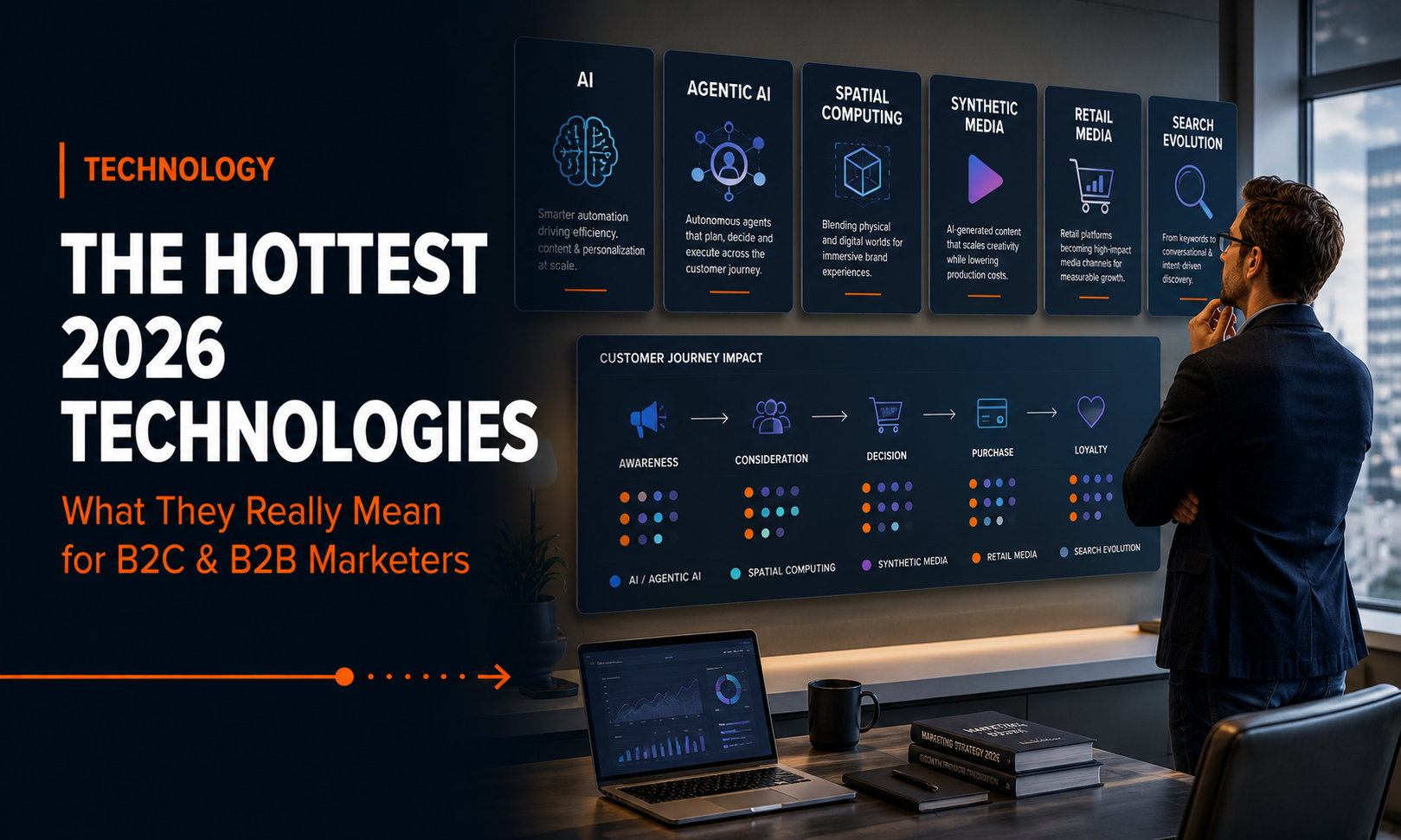
The year 2026 marks a turning point: AI becomes autonomous, specialized, agentic, embedded into infrastructure, and tightly woven into daily business ecosystems. For marketers, this isn’t simply a tech evolution—it’s a strategic inflection point that reshapes how we understand audiences, orchestrate journeys, build value, and measure outcomes.
Below is what these emerging technologies really mean for B2C and B2B marketers—and how to start preparing right now.
Hot Tech Trends in 2026
1. Advanced AI & Agentic Systems
Autonomous agents, multi-agent systems, and domain-specific language models (DSLMs) will dominate 2026.
What this means for B2C Marketers
Hyper-personalized, autonomous consumer journeys AI agents will design, test, and optimize journeys without waiting for human prompts—adjusting offers, timing, and channels in real time.
Conversational commerce 2.0 Consumers will interact with their own AI assistants who make recommendations, compare products, and negotiate offers. Marketers must optimize for an AI-first buyer, not just a human buyer.
Micro-segmentation at scale DSLMs understand consumer behavior at a depth never seen before: lifestyle, emotion, micro-intent, cultural nuance.
What this means for B2B Marketers
AI-driven account intelligence Multi-agent systems will score accounts dynamically—based on market signals, procurement changes, and internal activity.
Autonomous ABM campaigns Campaign agents will continuously orchestrate personalized content, outreach, and follow-ups for each buying role.
Radical efficiency in content production DSLMs trained on domain knowledge produce whitepapers, briefs, and case studies with near-expert precision.
2. Cybersecurity, Privacy & AI Governance
As AI scales, so do risks. Security becomes a brand trust pillar.
For B2C Marketers
Trust becomes a buying factor Consumers reward brands that clearly explain data usage, AI agents, and privacy protections.
Ethical design differentiates brands Transparent personalization and opt-in autonomy will become competitive advantages.
For B2B Marketers
Security storytelling moves to the forefront Procurement requires AI risk assessments, model governance documentation, and compliance clarity.
Secure data ecosystems enable deeper personalization Strong governance unlocks higher-quality, compliant data—driving more effective targeting.
Real-time contextual marketing becomes the norm From smart homes to wearables, IoT-linked AI will trigger experiences at the perfect moment—when intent is highest.
Frictionless omnichannel experiences Cloud-AI convergence means every customer touchpoint receives the same intelligence instantly.
For B2B Marketers
AI-native Martech stacks reshape operations Tools that build, integrate, and optimize themselves reduce operational overhead dramatically.
Predictive buyer behavior from IoT data Industrial IoT + AI gives real-time insights into equipment status, usage patterns, and future needs—turning marketers into forecasters.
4. Emerging Frontiers: Quantum, Bioprinting & BCI
These technologies may feel distant—but their marketing implications have already begun.
For B2C Marketers
Quantum-enabled personalization Ultra-fast simulations will refine recommendations and pricing models at unmatched speed.
New product categories Bioprinted health products or BCI-driven interfaces will require new education-first marketing formats.
For B2B Marketers
Entirely new verticals emerge Quantum computing and bioprinting reshape industries—creating new target accounts and value propositions.
Technical content becomes king Buyers will demand clarity on complex innovations. DSLMs can generate expert-level content for niche audiences.
New touchpoints in the physical world Domestic robots or smart cars become marketing channels:
in-car recommendations
home robot notifications
drone-enabled deliveries and experiences
Shift from screen-based to ambient marketing The home becomes a responsive environment, not a channel.
For B2B Marketers
New data streams from automated systems Robots and drones offer insights into behavior, operations, and demand.
Partnership-driven ecosystems Smart device ecosystems open new B2B collaborations and co-branding opportunities.
What Marketers Must Do Now
For Both B2C & B2B Leaders:
Build AI governance capabilities.
Prepare for AI-first customers and buying committees.
Invest in data quality, interoperability & ethical frameworks.
Experiment with autonomous agents in controlled environments.
Shift teams toward creativity, strategy & human-centric design.
The Bottom Line
2026 is not about more AI—it’s about AI becoming independent, specialized, and deeply embedded. Marketers who master governance, orchestration, collaboration with agents, and ethical innovation will dominate the next decade.
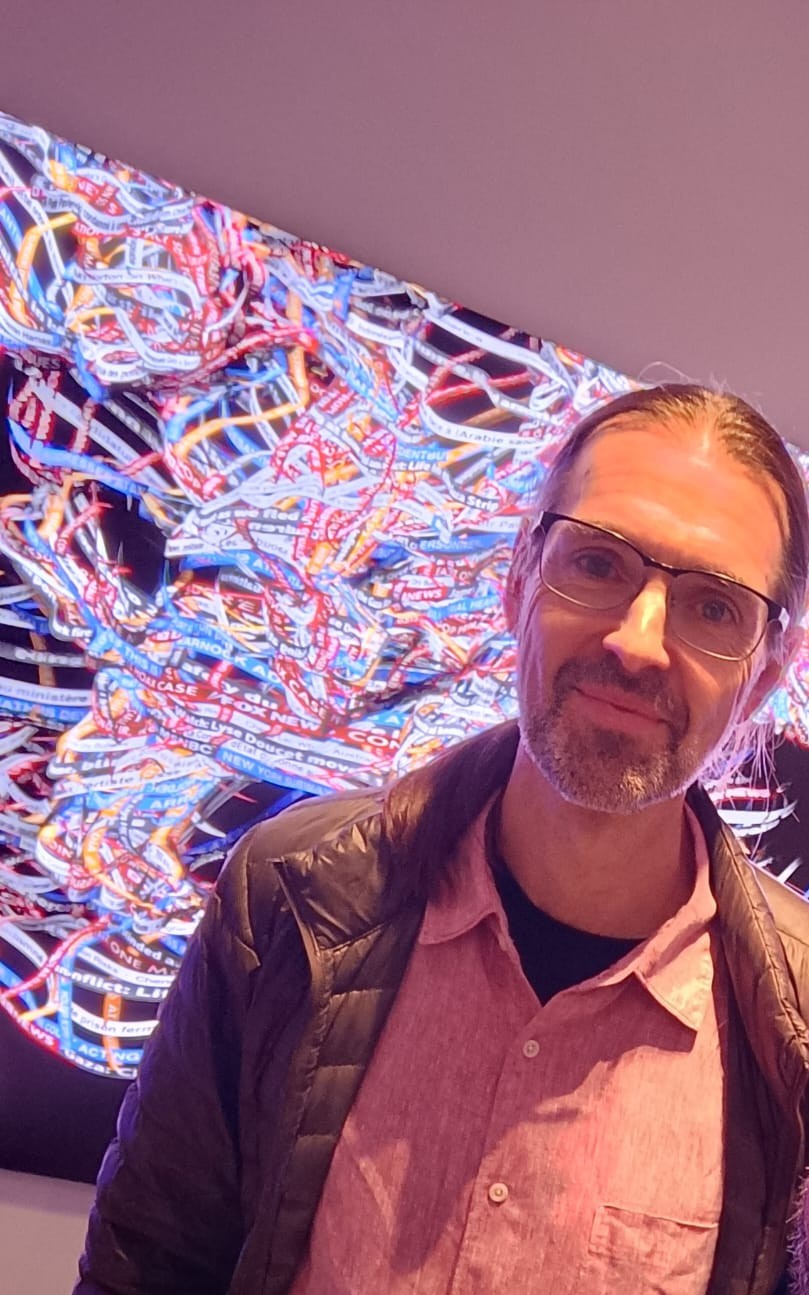
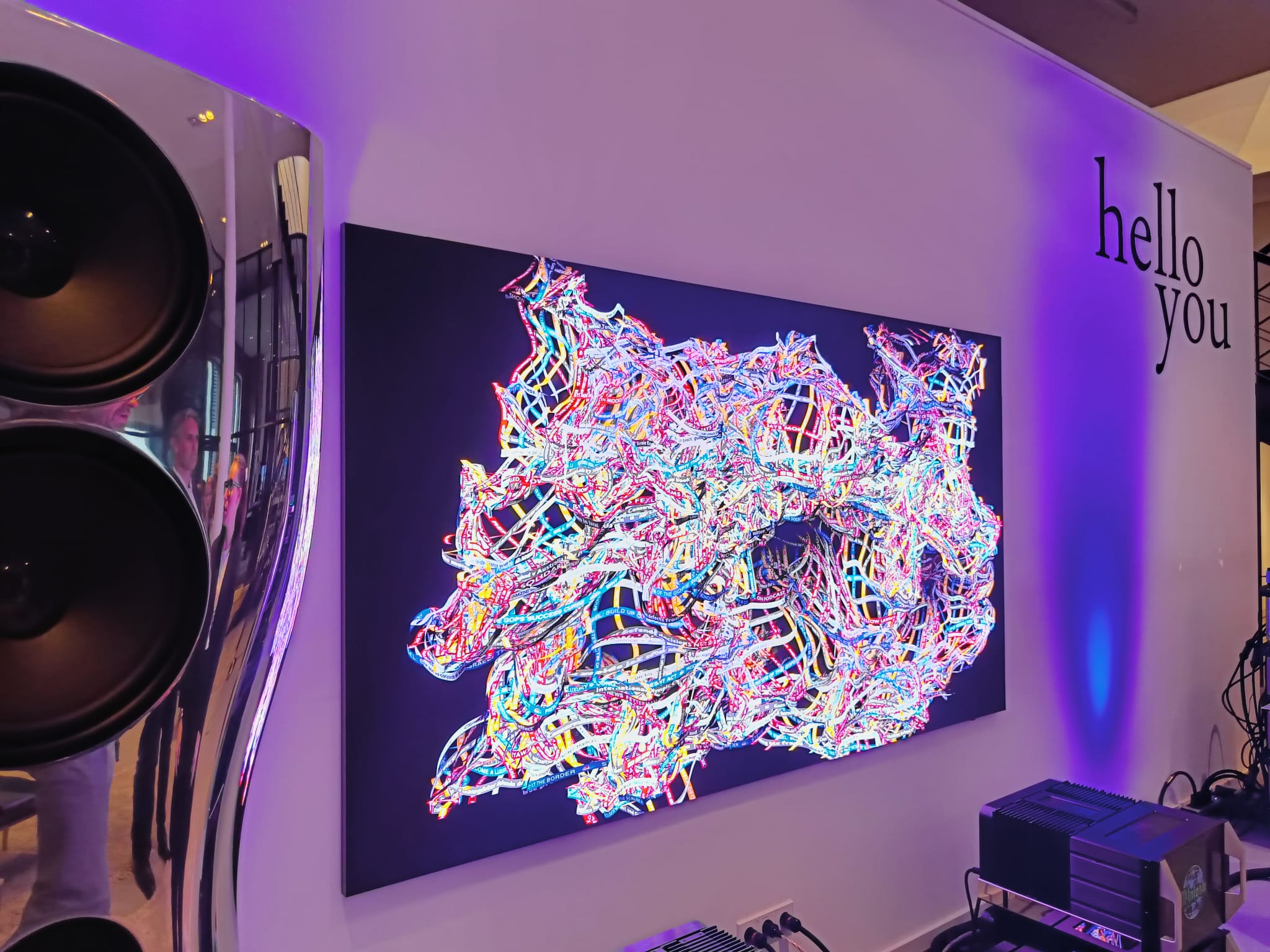
In a world saturated with screens, streams, and torrents of information, Daniel Canogar stands out as a magician of light — a creator who doesn’t just show data, but transmutes it into immersive visual poetry and moving sculptures. Through his video installations and generative artworks, Canogar transforms raw flows of digital information into luminous, breathing compositions, inviting us to experience the intangible architecture of our data-driven lives.
From Photography to Fluid Data — A Journey Through Media
Yet, very early in his career he grew curious about the “projected image” — not just static pictures, but light, motion, space, and time. https://www.danielcanogar.com/bio
Over the decades, his practice evolved beyond photography: he experimented with fiber optics, video projections, recycled electronics, and — now — real-time data streams. https://www.meer.com/en/60589-daniel-canogar
For Canogar, objects like old VHS tapes, hard drives, obsolete electronics aren’t mere trash — they are archeological artifacts of a vanished analog era. By projecting onto them, he resurrects forgotten memories and highlights the impermanence of technology and memory. https://www.meer.com/en/60589-daniel-canogar
Data as Palette: Translating Information Into Art
One of the most distinctive traits of Canogar’s work is how he transforms data itself — from financial markets to news feeds, from social attention metrics to historical artworks — into rich, moving visual experiences.
In Amalgama El Prado (2019), he processed the entire painting collection of a venerable museum, liquefying centuries of visual history into a digital river of color and form — a shimmering commentary on how digital media is transforming our experience and consumption of art. https://on.spainculture.us/amalgama-el-prado-by-daniel-canogar
What makes these works different from mere data visualization — charts, diagrams, dashboards — is that Canogar doesn’t aim to clarify. Instead, he embraces abstraction, ambiguity, emotion: the goal is not to inform, but to evoke. As one observer noted: “the palette of these artworks is not painting, but rather data.” https://www.artsy.net/article/mark-moore-fine-art-mirrors-data-works-daniel-canogar
Light, Memory, and the Fragility of Digital Existence
Underneath the technical brilliance and hypnotic visuals lies a deeper preoccupation: memory, impermanence, and what gets lost when technology evolves.
By projecting onto discarded electronics — DVDs, hard disks, cables — Canogar taps into a collective nostalgia, a memory of personal and shared times stored in these now-forgotten objects. https://www.meer.com/en/60589-daniel-canogar
He sees digital media not as a final frontier, but a sediment — layers of memories, data, context — that accumulate, shift, vanish. His installations often feel like attempts to hold on to that fluid past, to give shape and light to what otherwise remains intangible. https://www.thelightobserver.com/daniel-canogar
Public Space as Canvas: Blurring Boundaries Between Digital & Physical
Another defining feature of Canogar’s work is its site-specific and often public-space dimension. He doesn’t confine his art to galleries — he spills it into urban spaces, airports, museums, and monumental façades. https://zkm.de/en/person/daniel-canogar
In doing so, he asks: how does the digital age reshape our public spaces? How does the constant flow of information infiltrate our shared physical environment? Can we find a new kind of public sphere, where data and memory become visible and collective? https://linkedspheres.art/daniel-canogar
Why Daniel Canogar Matters — And What His Work Reflects
In an era where our lives are increasingly mediated by screens, algorithms, feeds, and streams — almost always unseen layers of code — Canogar’s work is important because it makes the invisible visible.
He doesn’t just display data — he feels it, sculpts it, breathes light into it.
He reminds us that behind every “data point” lies human experience, memory, culture.
He connects analog pasts with digital futures — reclaiming discarded technology as vessels of collective memory.
He questions what it means to be human in a world where identity, art, history, and memory are increasingly bound up with data.
To encounter a Canogar installation is to confront the vastness of our digital milieu — but to do so as poetry, not panic.
Final Thought: Data Is Not Just Information — It’s Living Light
If data is the new oil, then Daniel Canogar is one of the world’s most graceful and mindful refineries. With sensitivity, imagination, and technological mastery, he turns cold, abstract 1s and 0s into warm, pulsing lights; noisy, chaotic streams into meditative mosaics; fleeting online moments into lasting visual memories.
In his hands, data becomes not a commodity — but a canvas. A reminder that our digital lives, for all their intangibility, leave traces: light and shadows on walls, memories flickering in LED glow, the ghost of old hard drives dancing again.
And maybe that’s what we need now: not another chart or graph — but art.
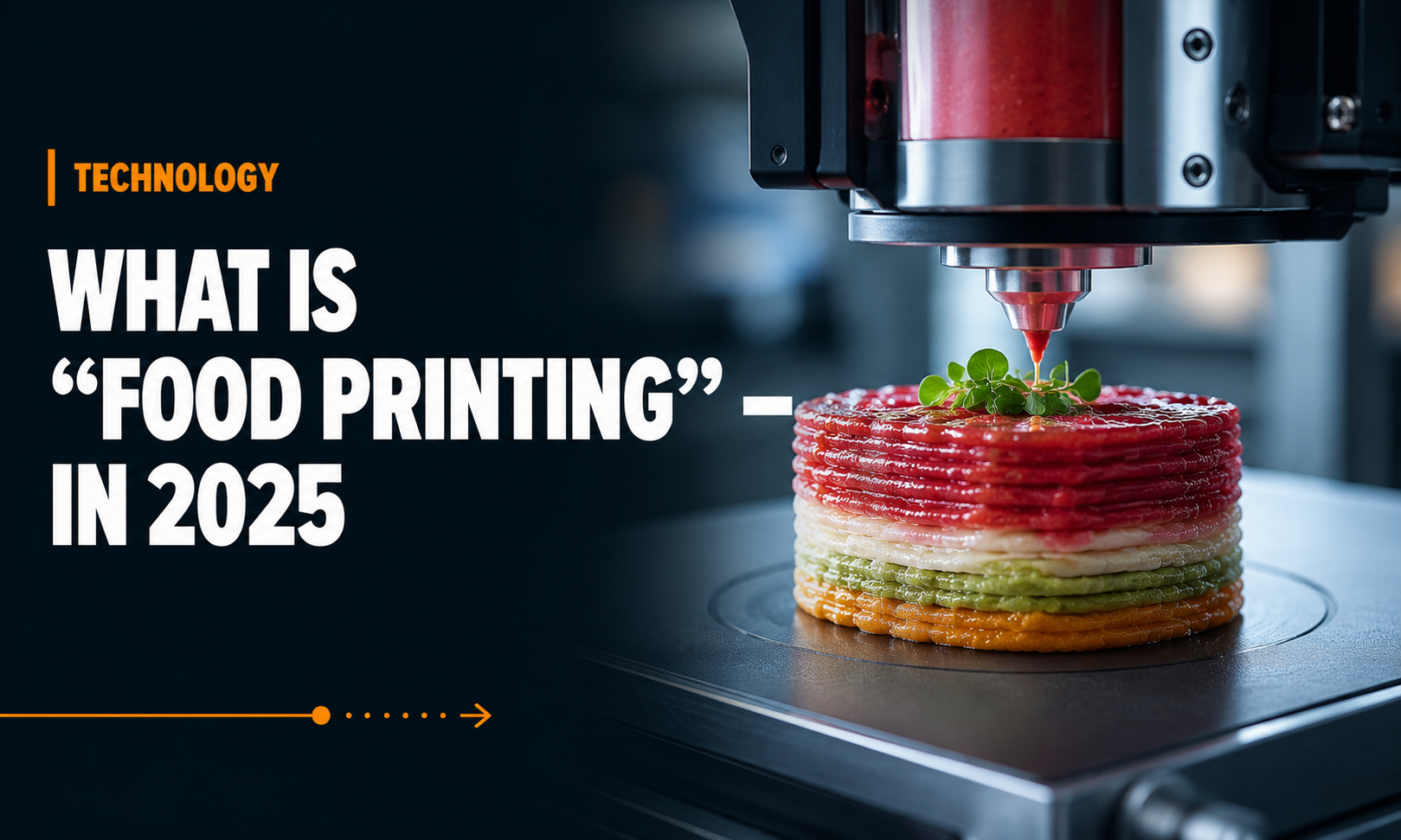
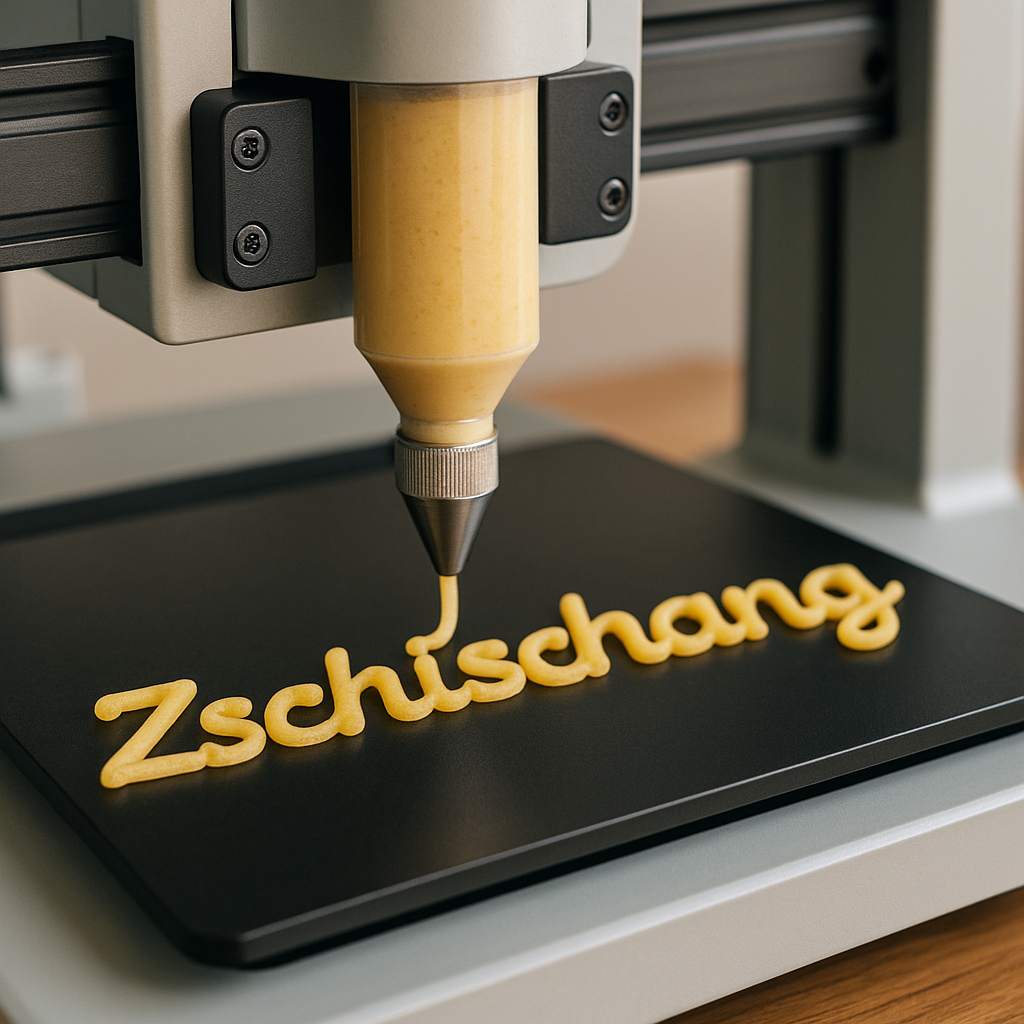
“Food printing” (often via 3D food printing / “3D-Lebensmitteldruck”) refers to using additive-manufacturing principles — similar to 3D printing — to produce edible items. Instead of plastic or metal, the “ink” can be dough, purée, chocolate, plant-protein paste, or mixtures of edible ingredients. https://en.wikipedia.org/wiki/3D_food_printing
Modern food printers build food layer by layer, directed by a digital design (CAD / software), which allows very precise control over shape, texture, internal structure — and even nutritional content. https://www.mdpi.com/2304-8158/14/12/2066
Foto: BluRhapsody
Thanks to recent innovations, 2025’s food-printing capabilities go far beyond novelty desserts or decorative elements — they now include:
Complex geometries and textures for food (intricate designs, layered structures, controlled porosity) — something traditional cooking or molding could rarely achieve. https://www.mdpi.com/2304-8158/14/12/2066
In short: 3D food printing in 2025 isn’t just a futuristic gadget — it’s a growing segment of food science, gastronomy, and alternative-food development.
What’s Changed Since 2019
Looking back at 2019 and earlier, food printing was more of a curiosity or experimental kitchen-tech novelty — often used for chocolate decorations, simple pastry shapes, or concept-level dishes. https://de.wikipedia.org/wiki/3D-Lebensmitteldruck
Today’s “food inks” include plant proteins, composite gels, and novel blends — enabling textures and structures that mimic meat, or enable controlled porosity/texture (important for dietary needs or sensory design). https://www.mdpi.com/2304-8158/14/12/2066
Customization & dietary inclusivity: The ability to tailor nutrition (allergens, protein content, texture for swallowing) makes food printing attractive for many demographics: seniors, children, people with dietary restrictions. https://www.sciencedirect.com/science/article/abs/pii/S0963996925001280
Gastronomic creativity & food design: Chefs and food designers now have tools to create shapes, layers, textures — giving food itself the role of visual art, beyond just taste. https://wasgermany.com/magazine/3d_printing
Thus, while food printing is promising, it’s not yet replacing traditional farming or cooking — at least not at scale.
What’s Next — What to Watch in the Coming Years
Wider adoption in food industry & retail: As printing becomes cheaper and regulation advances, expect more printed products — perhaps in supermarkets, special-diet segments, or ready-to-eat lines.
Advanced “food-ink” materials: More plant-based proteins, sustainable sources (algae, upcycled waste), or even lab-grown ingredients — enabling sustainable food systems.
Personalized nutrition & functional foods: Printed meals tailored to individual nutritional needs, age groups, or health conditions.
Creative gastronomy & design-centric dining: Restaurants and chefs using printing to bring innovative textures, shapes, and dining experiences (art-on-a-plate, edible architecture).
Regulatory & safety developments: As printed foods become more common, expect tighter standards, labeling requirements, and quality regulation.
In Summary
Food printing in 2025 is no longer a sci-fi curiosity — it’s a growing field at the crossroads of technology, nutrition, sustainability, and culinary art. From simple printed desserts back in 2010s and early 2020s, it has evolved into a tool capable of crafting plant-based meats, personalized nutrition solutions, and artful gastronomic creations.
Still, it’s not yet mainstream. Challenges remain: cost, scaling, regulation, taste. But the direction is clear: food printing could become a meaningful part of how we produce, design, and enjoy food — especially as we rethink sustainability, dietary diversity, and food culture for the future.
If you like, I can also show you examples of 3D-printed dishes from 2025 — including photos and links to research or restaurants.
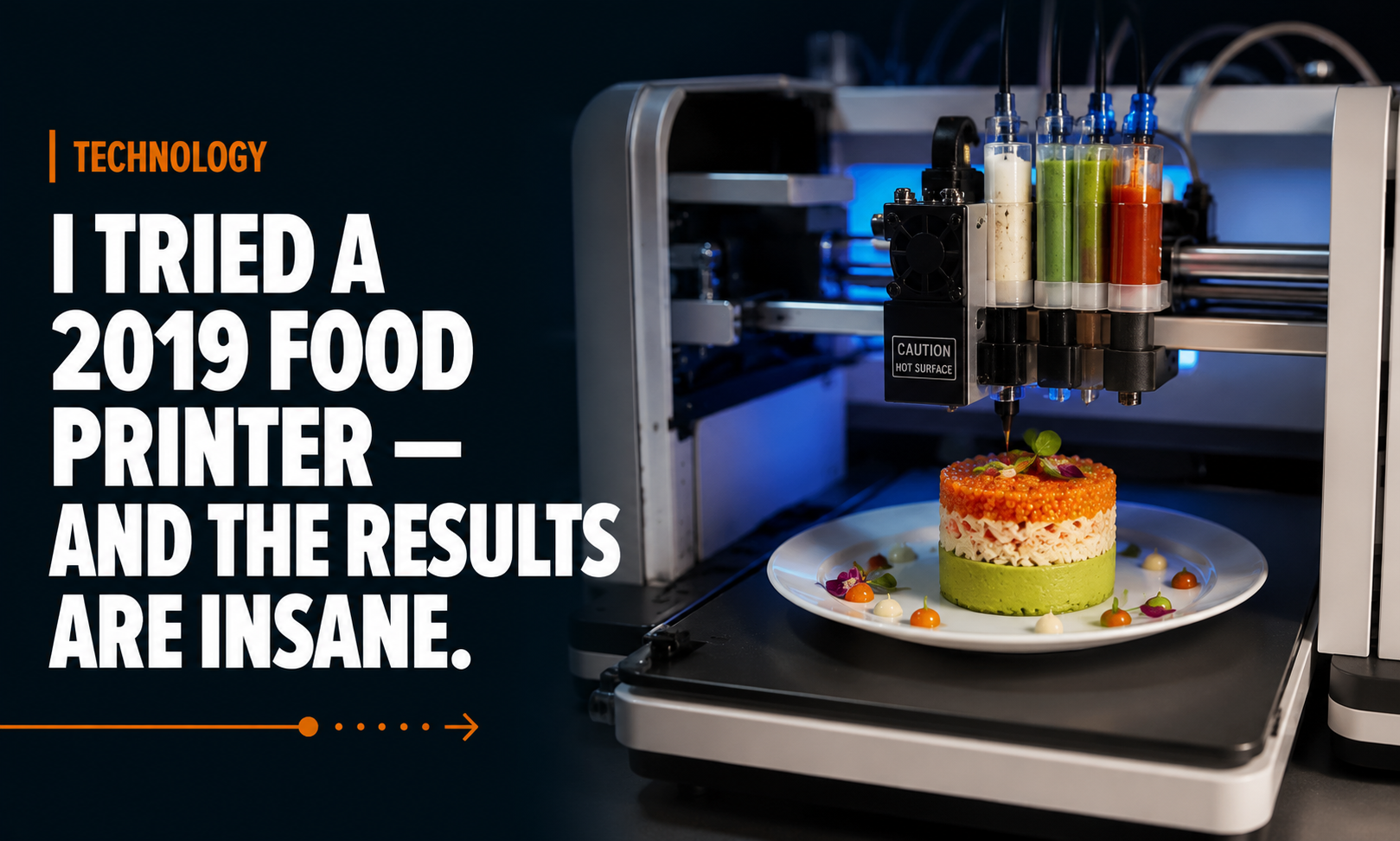
Back in 2019, food printing technology was still in its early, experimental chapter — but it was already capturing imaginations around the world. What once sounded like science fiction had started to take shape on kitchen counters and in innovation labs, where engineers and chefs worked side by side to explore what “printed food” could become.
Food printers in 2019 were essentially 3D printers for edible materials, using cartridges filled with chocolate, doughs, purees, cheeses, and other soft ingredients. While they couldn’t yet produce full meals, they excelled at precision, customization, and creativity. Intricate shapes, personalized decorations, geometric chocolates, and elaborate food sculptures became possible at the press of a button — tasks that would normally take a professional chef hours to complete.
The technology was driven by syringe-style extrusion systems, layering ingredients one delicate trace at a time. Early adopters included pastry chefs, confectioners, designers, and tech enthusiasts eager to experiment with the boundaries between food and art.
In 2019, food printers were also a preview of a future where nutrition, sustainability, and technology merge. Researchers were exploring how printers might someday help reduce food waste through exact portioning, or make specialized diets easier to manage by printing meals with controlled nutrients. In aerospace labs, scientists were testing how food printing might support long-duration space missions — offering astronauts more variety and personalization.
While the 2019 machines were limited in speed, ingredient variety, and texture complexity, they represented a bold first step toward a world where food could be shaped digitally. They showed us what was possible when technology entered the kitchen — and set the stage for the rapid advancements still to come.
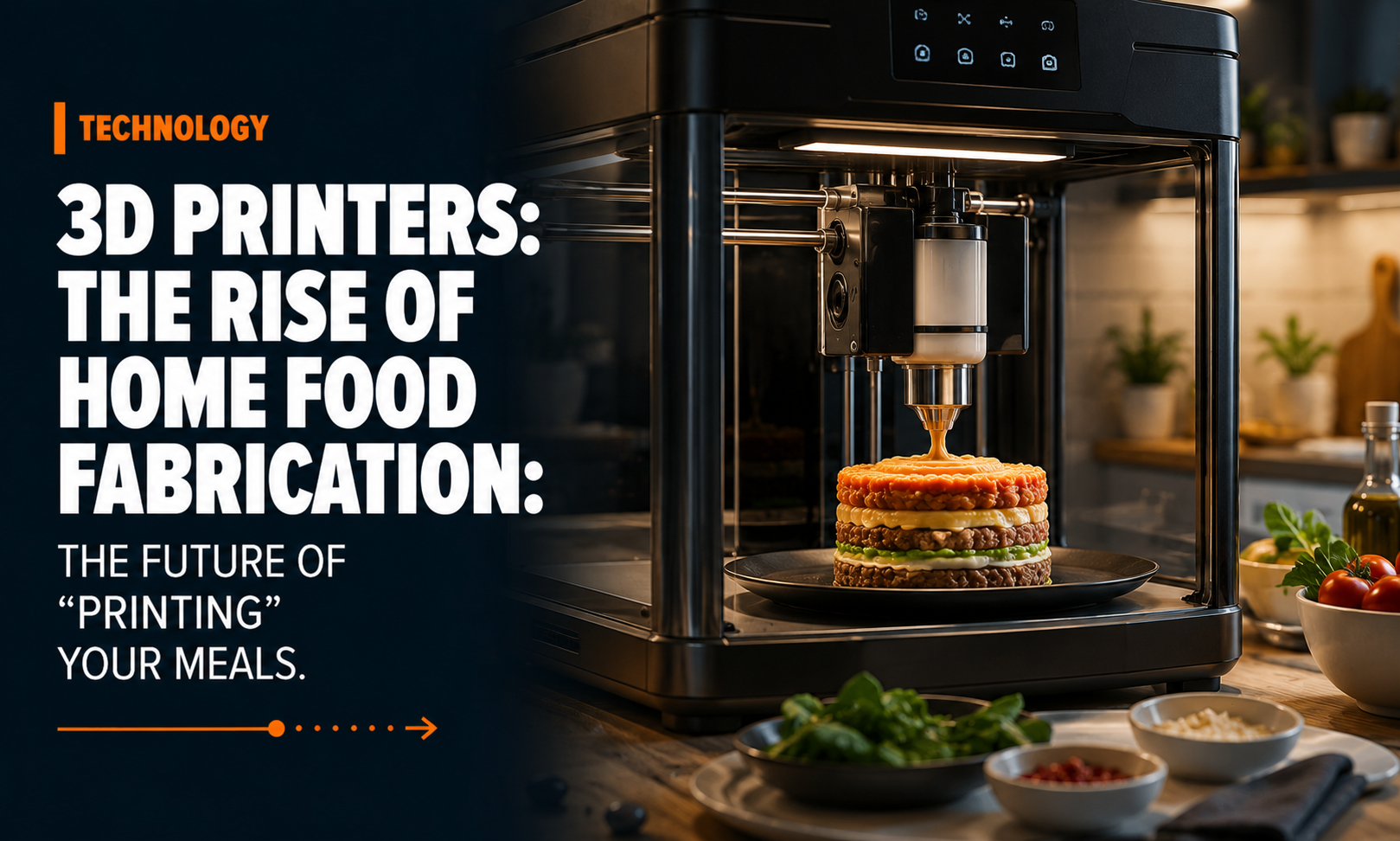
3D printers are only at the beginning of their journey. Today they create prototypes, tools, parts, and even basic edible shapes — but in the future, they will become as common as microwaves, ovens, or refrigerators. Imagine opening your kitchen cabinet in 2035 and finding a sleek, beautifully designed appliance once known as a “3D food printer,” now rebranded with a warm, consumer-friendly name like MyEarthFood (MEF).
This won’t be just another gadget. It will be a household food factory.
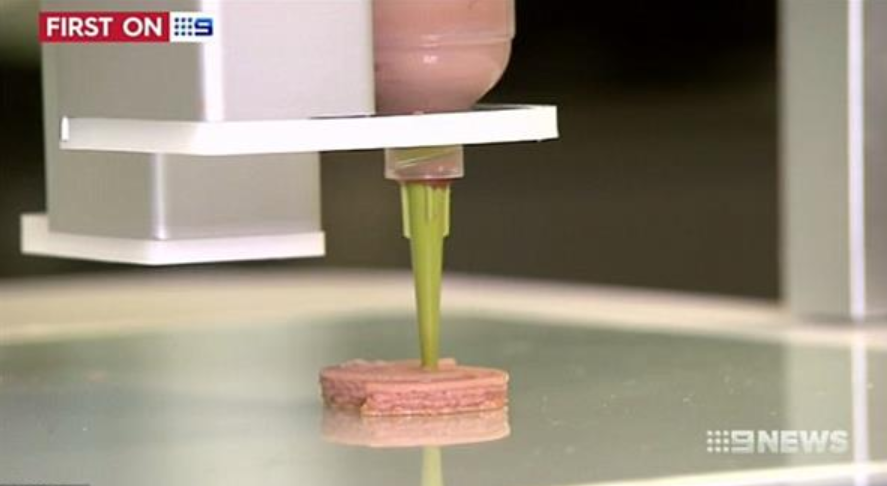
Instead of extruding plastic, it will build the very meat on your plate — fresh, customized, and produced at home on demand. The same extrusion principles used in food factories for decades (like in surimi production) will evolve into an accessible, sophisticated system capable of creating realistic, protein-based textures that mimic chicken, fish, and more.
How It Works: Cartridges, Cooling, and Culinary Creativity
Your “home farm” device will accept a set of smart cartridges:
one filled with natural plant proteins,
one with flavorful oils,
and one with spices and aromatics.
Together, these ingredients become the building blocks of entirely new food compositions. The machine will replicate fibers, grain orientation, tenderness, juiciness, and even marbling — all digitally controlled. Want a salmon-like texture for tonight’s dinner? Or chicken-style strips for the BBQ? Simply choose the profile.
A refrigeration unit built into the device ensures the freshly produced “meat” remains chilled once it’s done. Just open the compartment, take out the portion, and toss it straight onto your grill.
Cooking Included: The All-in-One Meal Generator
Future versions of MEF won’t just create the meat — they’ll also cook it. With an integrated heating and microwave module, the process will be seamless:
minutes to form the meat,
minutes to cook it,
minutes later, dinner is ready.
Everything happens in the same sleek box, with minimal waste, minimal cleanup, and maximum personalization.
A Breakthrough for a Crowded Planet
As global populations rise and demand for traditional animal meat surges, the pressure on land, water, and resources grows unsustainably. A household device capable of producing high-quality, protein-rich “meat” from plants could become a major breakthrough.
This kind of at-home food fabrication could:
reduce reliance on industrial livestock farming,
lower emissions and water consumption,
minimize transport and cold-chain logistics,
cut down packaging waste,
and make nutritious food more accessible everywhere — urban apartments, remote regions, or even off-grid living.
In the same way refrigerators revolutionized food preservation and microwaves transformed convenience cooking, home protein fabrication could redefine how we feed ourselves.
What sounds futuristic today may soon become as familiar as plugging in your coffee machine — a daily ritual powered by technology that quietly reshapes the world.
Meat 3d printing
Manage Consent
We use cookies and similar technologies to make our website work and to improve your experience. Some cookies are essential. We use other cookies only with your consent. You can change your choices at any time in the cookie settings.
Functional
Always active
The technical storage or access is strictly necessary for the legitimate purpose of enabling the use of a specific service explicitly requested by the subscriber or user, or for the sole purpose of carrying out the transmission of a communication over an electronic communications network.
Preferences
The technical storage or access is necessary for the legitimate purpose of storing preferences that are not requested by the subscriber or user.
Statistics
The technical storage or access that is used exclusively for statistical purposes.The technical storage or access that is used exclusively for anonymous statistical purposes. Without a subpoena, voluntary compliance on the part of your Internet Service Provider, or additional records from a third party, information stored or retrieved for this purpose alone cannot usually be used to identify you.
Marketing
The technical storage or access is required to create user profiles to send advertising, or to track the user on a website or across several websites for similar marketing purposes.